 Debby Wijaya
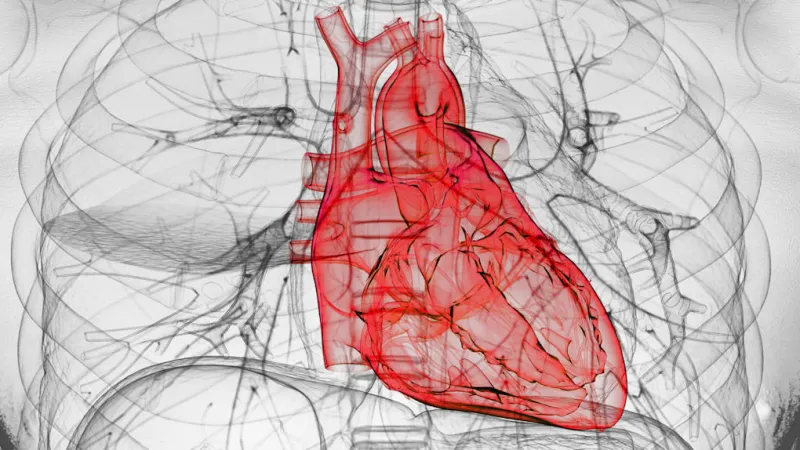
A recent study by English researchers has unveiled a critical link between chronic stress and silent structural changes within the human heart. These insidious alterations, often developing undetected over extended periods, can significantly elevate the risk of severe cardiovascular complications, according to findings published this year.
The investigation underscores that persistent psychological strain burdens not only mental well-being but also directly impacts the physical integrity of the cardiac organ. This connection moves beyond mere correlation, demonstrating a tangible physiological pathway through which stress manifests physically.
Researchers identified distinct structural remodeling within heart tissue, including hypertrophy and fibrosis, as direct consequences of prolonged exposure to high stress levels. These changes compromise the heart's efficiency and resilience, setting the stage for future health crises.
What makes these findings particularly alarming is the latent nature of the damage. Individuals experiencing chronic stress may remain asymptomatic for years, unaware of the accumulating harm to their cardiovascular system. This silent progression often delays diagnosis until irreversible damage has occurred or an acute event materializes.
Dr. Anya Sharma, a lead cardiologist not involved in the study but familiar with the field, stated, “Such heart damage can indeed evolve over years without individuals experiencing any overt symptoms. This research provides a stark reminder of the hidden dangers of unmanaged stress.”
The study utilized advanced imaging techniques and biomarkers to monitor cardiac health in participants with varying levels of reported chronic stress. A significant portion of the high-stress cohort exhibited measurable cardiac abnormalities not present in their lower-stress counterparts.
Experts emphasize the need for a paradigm shift in understanding stress as a public health issue with profound physical ramifications, not solely a psychological burden. Integrating stress management into routine healthcare could prove vital for preventative medicine.
Further research aims to pinpoint specific mechanisms at a cellular level, exploring how stress hormones and inflammatory pathways contribute to the structural degradation of heart tissue. Understanding these intricate processes could pave the way for targeted therapeutic interventions.
Healthcare providers may need to broaden their diagnostic scope, considering chronic stress as a significant risk factor alongside traditional culprits like hypertension and high cholesterol. Early screening for stress-related cardiac markers could become a future standard of care.
Public health initiatives promoting mental well-being and stress reduction techniques, such as mindfulness, exercise, and adequate sleep, gain renewed urgency in light of these discoveries. The long-term societal cost of unaddressed chronic stress extends far beyond mental health services.
Ultimately, the study serves as a potent call to action for both individuals and the medical community. Recognizing and mitigating the pervasive effects of chronic stress is no longer just about mental peace; it is fundamentally about preserving heart health and preventing life-threatening cardiac conditions.