 Angel Doris
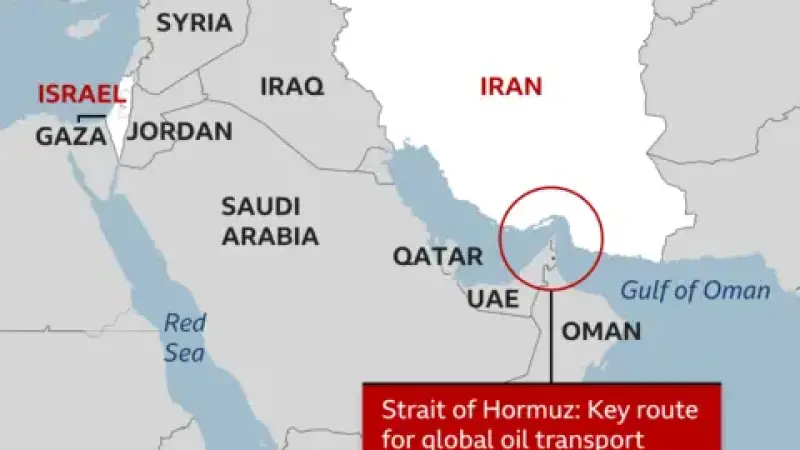
WASHINGTON — President Donald Trump today declared the United States will implement a naval blockade of the strategically vital Strait of Hormuz, a dramatic escalation intended to counter the deepening Middle East crisis. The announcement, made during a morning press conference, marks a significant shift in American foreign policy, directly targeting a crucial global oil transit choke point amidst heightened regional tensions.
The President asserted that the measure is essential to safeguard international shipping and stabilize an increasingly volatile region. He emphasized that the US commitment to securing global energy supplies necessitates decisive action against persistent threats to maritime commerce.
The Strait of Hormuz, a narrow waterway between Iran and Oman, is the world's most important oil transit choke point, through which approximately one-fifth of global oil consumption passes daily. Any disruption to its operations has immediate and far-reaching implications for international energy markets and the global economy.
This move comes after months of escalating friction in the Persian Gulf, characterized by various incidents involving cargo vessels and regional naval forces. The crisis has seen a surge in security alerts and disrupted supply chains, prompting urgent calls for de-escalation from international bodies.
President Trump stated that the blockade would enforce a strict regime on all vessels transiting the strait, aiming to prevent illicit activities and ensure the free flow of legitimate commerce. Details regarding the exact operational parameters and enforcement mechanisms remain forthcoming from the Pentagon.
Analysts quickly reacted to the announcement, with many highlighting the immense geopolitical risks involved. A blockade of this magnitude could be perceived as an act of aggression by certain regional powers and might trigger a broader military confrontation, potentially drawing in multiple international actors.
Global oil prices surged immediately following President Trump's declaration, reflecting market anxieties over potential supply disruptions. Energy economists warned of severe economic repercussions if the blockade leads to prolonged instability or a sustained reduction in crude oil exports from the region.
International law experts are scrutinizing the legality of such a blockade under existing maritime treaties and United Nations conventions. While nations have inherent rights to self-defense, imposing a blockade on international waters without clear UN Security Council authorization presents complex legal challenges.
Allied nations have yet to issue a coordinated response, with initial reactions ranging from cautious support for regional stability to grave concerns over potential miscalculations. Diplomats are reportedly engaged in urgent consultations to assess the implications of Washingtons new posture.
The declaration underscores the Trump administrations commitment to projecting American power in critical strategic theaters. It signals a robust, albeit high-stakes, approach to managing the intricate geopolitical dynamics of the Middle East, a region perpetually at the nexus of global energy and security interests.
This unfolding situation demands continuous monitoring as the international community braces for the practical implementation of the blockade and its immediate and long-term consequences on regional stability and global trade. The coming days will be critical in shaping the trajectory of this evolving crisis.