 Debby Wijaya
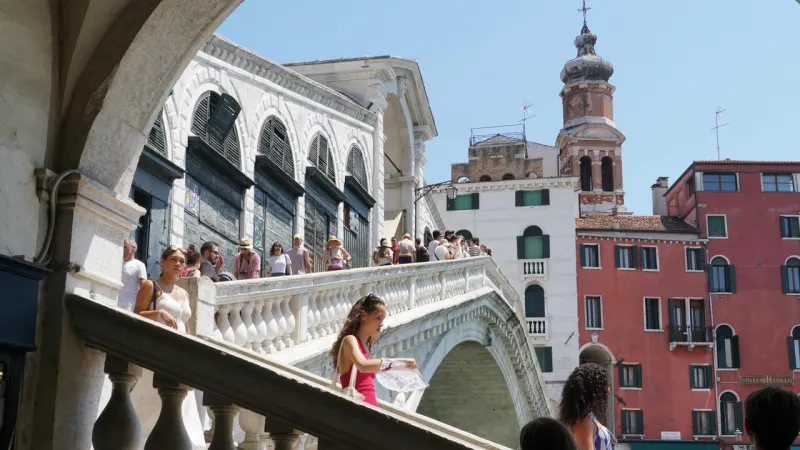
Venezia, Italy, is set to implement a controversial 30-euro entry ticket for day-tripping tourists on specific days, a measure championed by Mayor Luigi Venturini to mitigate the escalating pressures of overtourism, a critical issue he has already brought before national authorities in Rome. This initiative aims to safeguard the historic citys fragile infrastructure and unique cultural fabric.
The proposed fee, targeting visitors who do not stay overnight, marks a significant escalation in Venezias long-standing battle against excessive tourist numbers. Officials believe the charge will deter some short-term visitors, allowing for a more sustainable flow of tourism and an enhanced experience for those who do enter.
Mayor Venturini emphasized the selective application of the fee. He stated, "Only on certain days. I have put the question to Rome." This clarifies that the policy will not be universally imposed but strategically deployed during peak periods when the city experiences its highest influx of visitors.
The Venetian administration has grappled with the implications of overtourism for decades. The city, famed for its canals, historic architecture, and unique lagoon ecosystem, draws millions annually, often overwhelming its delicate infrastructure and impacting the quality of life for its dwindling resident population.
Previous attempts to manage tourist flow have included turnstiles at key entry points, educational campaigns, and restrictions on large cruise ships. While these measures offered some relief, the citys allure continues to attract numbers that often exceed its capacity.
The introduction of a direct charge represents one of the most assertive actions taken by a major European tourist destination to curb mass tourism. This move signals a growing global trend among popular sites to protect their heritage and ensure long-term viability against the strains of modern travel.
Discussions with the national government in Rome are crucial for the successful implementation and legal standing of such a policy. Venturinis outreach to national leaders underscores the complexity of the issue, requiring coordination beyond municipal jurisdiction to ensure broader support and enforceability.
Critics of the plan voice concerns about its potential impact on tourism revenue, accessibility, and the perception of Venezia as an open, welcoming city. Some argue that a fee might disproportionately affect budget travelers, potentially altering the demographic of visitors.
Supporters, however, contend that the long-term benefits of preserving Venezias unique character and ensuring a higher quality experience for all outweigh these immediate concerns. They highlight the ecological and social toll overtourism takes on the city.
The proposed 30-euro charge is anticipated to be among the highest entry fees for a city globally, reflecting the urgency and severity of Venezias overtourism crisis. details regarding its exact implementation, including which specific days it will apply and how it will be collected, are expected to be refined following further consultations.
This bold step by Venezia could establish a precedent for other heavily touristed cities grappling with similar challenges. The world will watch closely to see if Venezias innovative approach offers a sustainable model for preserving cultural heritage in an era of unprecedented global mobility.