Gabriella
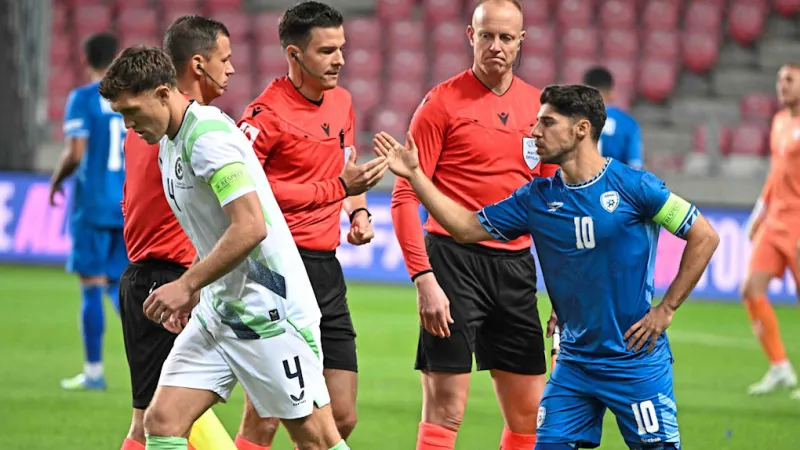
The Irish national football team ignited a fresh wave of controversy recently, drawing sharp criticism for a series of perceived disrespectful actions during a highly anticipated international match against Israel. The team reportedly eschewed traditional handshakes, neglected to wear customary mourning armbands, and demonstrated apparent disregard during the anthem, leaving a widespread sentiment of bitterness and betrayal in its wake.
The highly publicized incident unfolded on the pitch, where players departed from expected protocols of sportsmanship and respect. Observers noted the deliberate absence of traditional pre-game handshakes with their Israeli counterparts, an act often seen as a fundamental gesture of goodwill in international competition.
Further fueling the controversy was the team's decision not to don mourning armbands, known in German as Trauerflor, which are typically worn to signify respect for a tragedy or remembrance. This omission stood in stark contrast to expectations, especially given the solemnity often associated with such international fixtures.
Perhaps the most potent symbol of perceived disrespect came during the playing of the national anthem. Accounts from the match describe a lack of solemnity from some Irish players, an attitude that quickly garnered condemnation from various quarters.
This behavior has provoked a robust discussion within Irish society and the broader international football community. Many fans and commentators have expressed a profound sense of disappointment, viewing the team's actions as an affront to both sporting decorum and national representation.
The incident has also prompted comparisons to previous matches. Notably, during a 2022 fixture against Ukraine, the Irish team demonstrated a less stringent adherence to expressions of mourning or solidarity. This perceived inconsistency has led to questions about the motivations behind the recent actions against Israel.
Analysts are now deliberating whether the team's behavior constituted a deliberate political statement, an uncoordinated oversight, or a misunderstanding of diplomatic protocols. Regardless of intent, the impact on public perception has been undeniably negative.
Football governing bodies are reportedly monitoring the fallout, though no official statements or sanctions have been announced as of yet. The principles of fair play and respect are cornerstones of international football, and breaches of these can carry significant reputational consequences.
Such incidents underscore the complex interplay between sports, politics, and national identity. Athletes, particularly those representing their countries, often find their actions scrutinized through a lens far wider than just athletic performance.
The long-term repercussions for the Irish national team remain uncertain. The immediate challenge involves navigating the public backlash and reaffirming their commitment to the values of sportsmanship and international respect.
This controversy arrives amidst a period where sports teams globally are increasingly under pressure to demonstrate their social and political stances responsibly. The incident serves as a poignant reminder of the delicate balance required when national representation meets individual or collective expressions on the world stage.