 Demian Sahputra
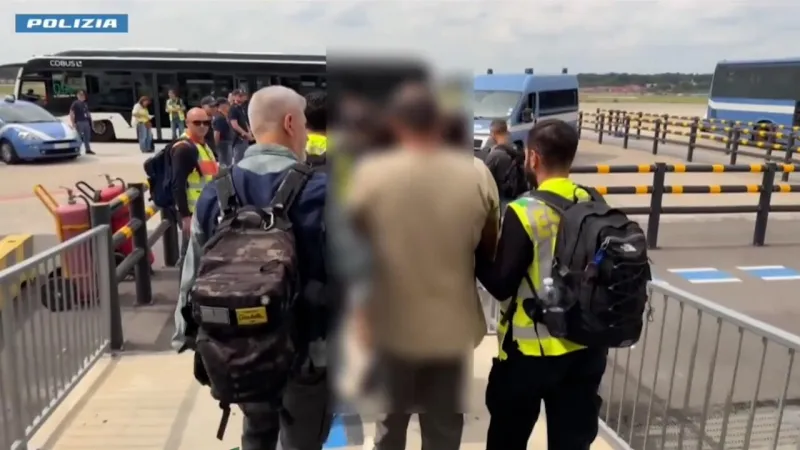
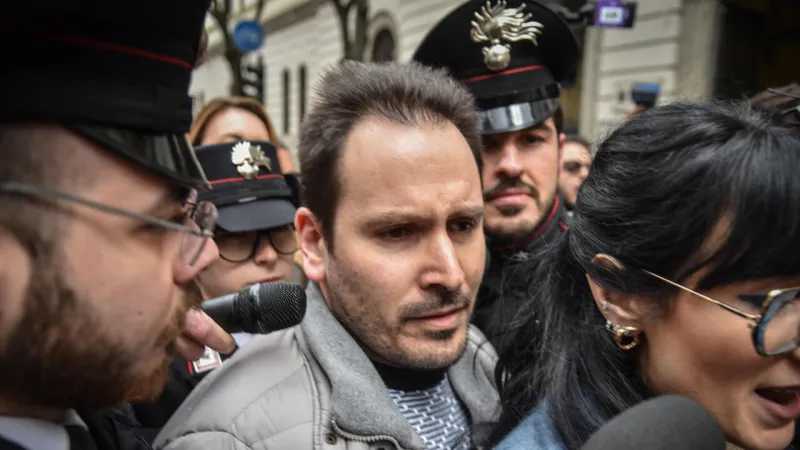
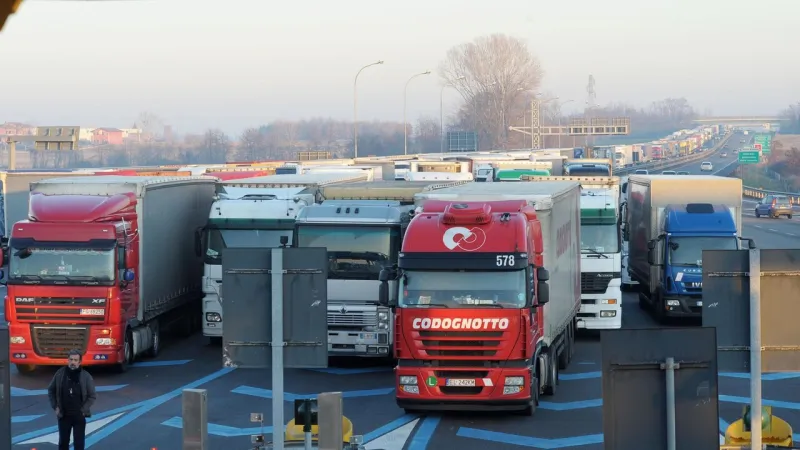
ROME – Trapper Bratan, an artist whose specific nationality was not immediately disclosed, has been formally expelled from Italy following a highly publicized incident involving the unauthorized blockade of the critical Milan-Meda highway for a music video production. The Interior Ministry confirmed the expulsion order, citing significant public safety concerns after Minister Matteo Piantedosi publicly characterized the individual as "socially dangerous."
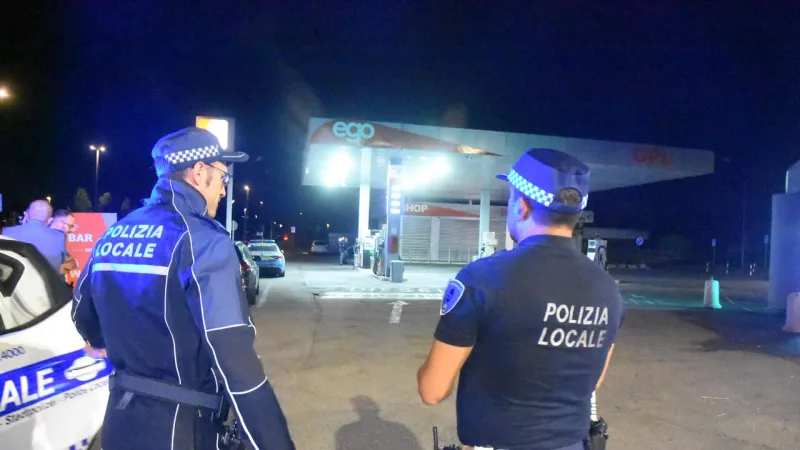
The controversy escalated when Bratan allegedly orchestrated the deliberate halt of vehicular traffic on the heavily trafficked artery, a vital connection between Milan and its northern suburbs. This audacious stunt, purportedly to serve as a visual backdrop for his promotional content, caused extensive disruption, leading to severe traffic congestion and widespread public condemnation.
Minister Piantedosi, addressing the gravity of the matter, unequivocally stated, "This individual demonstrated a profound disregard for public order and safety, behavior that we deem socially dangerous and entirely unacceptable." His remarks underscored the government's resolute stance against actions that jeopardize critical infrastructure and compromise the well-being of citizens.
In immediate response to the ministerial decree, Bratan's legal counsel mounted a vigorous defense, contending that the drastic measure of expulsion was disproportionate. The attorney, whose name was not made public, argued that the decision was primarily influenced by the intense media scrutiny and broad public exposure surrounding the incident, rather than an objective assessment of genuine social danger.
This incident is not unique in the broader landscape of artists seeking unconventional methods to garner attention. However, deliberately impeding public infrastructure for personal gain crosses a critical ethical and legal threshold, distinguishing it from more conventional forms of artistic expression or protest. The perennial debate over the boundaries of artistic license versus public nuisance is sharply highlighted by this case.
The swift expulsion of a public figure for such actions establishes a significant precedent for Italian authorities. It signals a stricter enforcement policy against individuals who exploit public spaces and vital transit routes for non-sanctioned activities, particularly when public safety and order are perceived to be imperiled.
Public sentiment has largely coalesced in support of the authorities' firm response, with numerous commuters and citizens expressing profound outrage over the inconvenience and potential hazards precipitated by the road blockage. Social media platforms were inundated with condemnations, reflecting a low tolerance for actions that gratuitously disrupt daily life.
The expulsion will undoubtedly carry profound implications for trapper Bratan's professional trajectory, potentially severely curtailing his ability to perform, record, or reside within Italy, a culturally significant and economically viable market. Artists typically rely on unrestricted freedom of movement and access to creative environments, both of which are now substantially compromised for the artist.
Italian law bestows upon authorities the power to expel foreign nationals deemed a threat to public order or national security. While specific details pertaining to Bratan's citizenship were not immediately disclosed, Minister Piantedosi's unequivocal declaration of "socially dangerous" behavior provided the necessary legal impetus for initiating the expulsion proceedings.
This case resonates with other high-profile instances where public figures face severe repercussions for actions deemed to transgress acceptable societal norms. It serves as a stark reminder that renown does not confer immunity from legal or administrative consequences, especially when public infrastructure and collective well-being are jeopardized.
The government's decisive action transmits an unambiguous message that such provocative stunts will not be countenanced. It steadfastly reinforces the priority of upholding public order and safety, even amidst the proliferation of online trends that often prioritize viral content generation over fundamental civic responsibility.
The incident also instigates a broader societal discourse concerning the responsibilities incumbent upon content creators and digital influencers. As digital platforms amplify their reach exponentially, the demarcation between harmless entertainment and socially irresponsible conduct becomes increasingly indistinct, prompting calls for heightened accountability within the creative community.