 Dorry Archiles
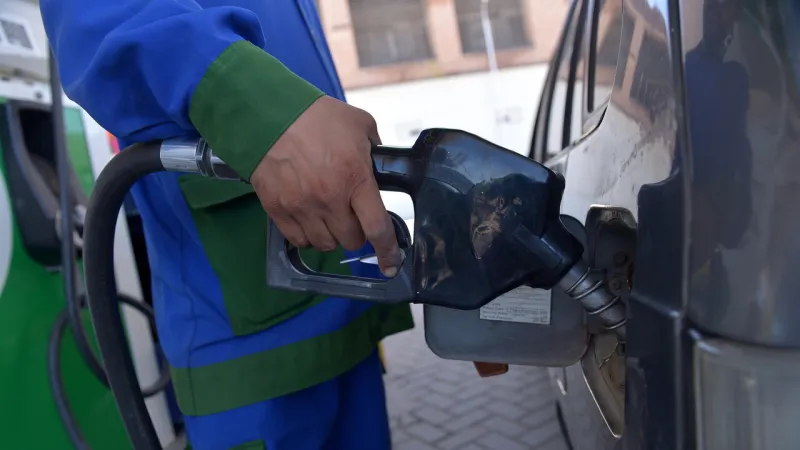
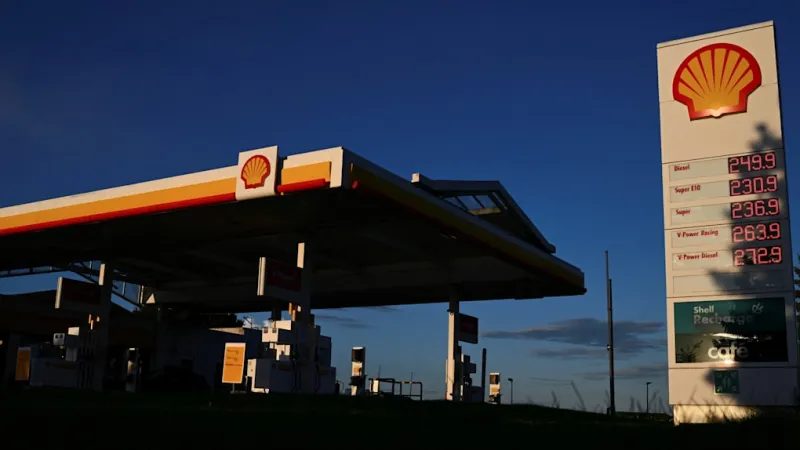
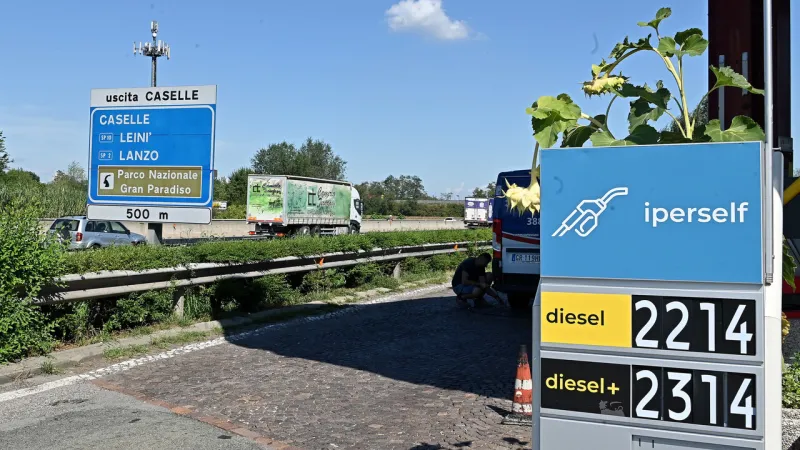
ROME – Gasoline prices across Italy, particularly along its extensive highway networks, have surged past the critical threshold of 2 euros per liter. This significant increase stems directly from heightened geopolitical tensions and renewed hostilities reported in the Strait of Hormuz, a vital global chokepoint for oil shipments. The instability has spurred a sharp rise in international crude oil benchmarks, pushing Brent crude towards $90 a barrel before a slight market retraction, signaling renewed volatility for global energy consumers.
The immediate impact is keenly felt by Italian motorists and the national economy, already navigating a complex landscape of post-pandemic recovery and inflation. Travelers and daily commuters alike face substantially elevated costs, which threaten to ripple through transportation and logistics sectors, potentially exacerbating inflationary pressures across various goods and services.
The Strait of Hormuz, a narrow waterway connecting the Persian Gulf to the open ocean, holds immense strategic importance. It facilitates approximately one-fifth of the world's total petroleum liquids consumption, making any disruption there a potent catalyst for global energy market instability and price spikes. Military and political maneuvers in the region are meticulously watched by analysts and traders worldwide.
Reports of new clashes within this critical maritime corridor have reignited fears of supply chain disruptions. While specific details remain fluid, the mere specter of impeded oil flows is sufficient to trigger speculative buying and heighten price premiums. Global markets react with immediacy to such geopolitical developments, often preempting actual supply shortages based on perceived risks.
Brent crude oil, a leading international benchmark, saw its value accelerate rapidly following the news from Hormuz. Though it briefly approached the psychologically significant $90 mark before settling marginally lower, its upward trajectory underscores the acute sensitivity of global oil prices to Middle Eastern geopolitics. This benchmark plays a pivotal role in setting gasoline prices across Europe and beyond.
Energy analysts are now closely monitoring the situation, assessing the likelihood of further escalation and its potential long-term implications for the energy sector. A sustained period of elevated oil prices could necessitate strategic adjustments from major importing nations and directly influence central bank decisions regarding interest rates.
Historically, events in the Middle East have frequently dictated the rhythm of the global oil market, demonstrating a clear correlation between regional stability and energy costs. From past oil embargoes to modern-day skirmishes, the region remains a perennial fulcrum of global energy economics.
Beyond the immediate financial burden on consumers, the upward trend in gasoline prices could provoke a shift in consumer behavior. Households and businesses might seek more fuel-efficient alternatives, re-evaluate travel plans, or explore remote work options to mitigate rising transportation expenses.
Governments, including Italy's, often face public pressure to intervene during such price surges, whether through tax adjustments, subsidies, or strategic reserve releases. However, the effectiveness of such measures is often limited when the underlying cause is a global commodity price increase driven by international geopolitical events.
Adding to the complexity, the decisions of major oil-producing cartels like OPEC+ also play a significant role. Their collective output policies, combined with global demand fluctuations, interact with geopolitical events to sculpt the final market price. Any perceived reluctance to increase supply amidst rising tensions further entrenches higher prices.
The current environment also highlights broader Middle Eastern regional instabilities, as exemplified by ongoing tensions that threaten major oil lifelines. For instance, concerns regarding a Houthi Embargo threatening the Saudi oil lifeline have been part of the wider narrative impacting global energy security and prices.
The volatile situation in the Strait of Hormuz thus presents a formidable challenge, indicating continued uncertainty for both global energy markets and the budgets of everyday consumers in Italy and worldwide.