 Angel Doris

GENEVA — The relentless march of global warming has brought forth a new economic reckoning, as increasingly frequent and intense heatwaves exact a profound and multifaceted toll on economies worldwide. From crippling labor productivity to skyrocketing energy demands and shifting consumer patterns, nations are grappling with the immense financial and social repercussions of a warming planet, prompting urgent calls for adaptive strategies and infrastructure resilience.
This escalating phenomenon, marked by record-breaking temperatures across continents, poses an immediate threat to the foundational pillars of economic stability. The severe heatwave impact reverberates through vital sectors, challenging governments and industries to safeguard both livelihoods and economic output amidst unprecedented climatic conditions.
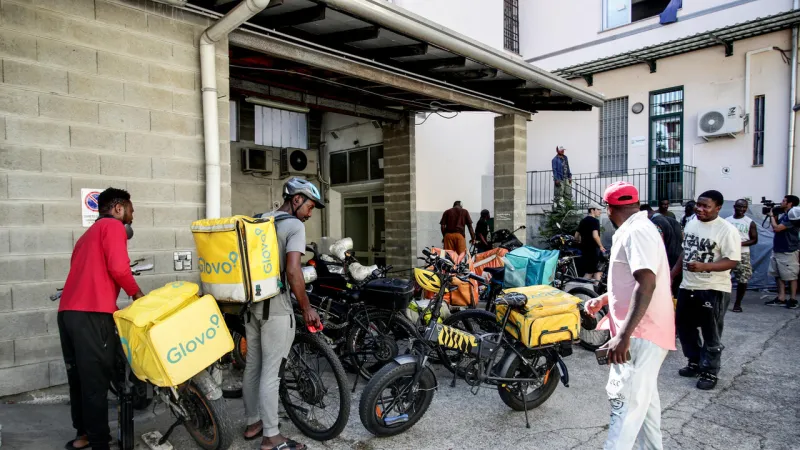
One of the most immediate and tangible consequences manifests in a sharp decline in labor productivity. Outdoor workers, especially those in agriculture, construction, and logistics, face hazardous conditions that severely limit their capacity to perform. Indoor environments, often lacking adequate cooling systems, also see reduced efficiency, translating directly into economic losses and compromised public health.
Studies from the International Labor Organization indicate that excessive heat could lead to a global productivity loss equivalent to hundreds of billions of dollars annually by 2030. This figure is projected to surge as average global temperatures continue their upward trajectory, particularly affecting lower-income nations with fewer resources for climate adaptation.
Simultaneously, the demand for energy, primarily for cooling, experiences an exponential surge during prolonged heat events. Air conditioning units run continuously, straining national grids to their breaking point and frequently leading to blackouts and brownouts. These power disruptions further exacerbate economic distress by halting industrial operations, disrupting essential services, and damaging perishable goods.
The spike in energy consumption directly translates into higher utility bills for households and businesses, diverting funds that might otherwise fuel consumption or investment. Furthermore, it often necessitates increased reliance on fossil fuel power plants, potentially undermining climate mitigation efforts in the short term as countries scramble to meet demand.
Consumer behavior also undergoes significant shifts. Retail foot traffic declines as people avoid venturing outdoors during peak heat hours. Spending patterns pivot towards essential items, cooling appliances, and health-related products, often at the expense of discretionary purchases in other sectors like hospitality or entertainment, further impacting local economies.
Agriculture, a cornerstone of many economies, suffers immensely. Heat stress reduces crop yields, livestock productivity, and water availability, threatening food security and driving up commodity prices. Farmers contend with increased irrigation costs and potential crop failures, creating a domino effect through the supply chain to consumers.
The human cost of these heatwaves is equally stark. Recent reports highlighted how Deadly Heatwave Claims Two Elderly in Genoa, underscoring the severe health risks, particularly for vulnerable populations. Healthcare systems become overburdened with cases of heatstroke, dehydration, and exacerbated chronic conditions, adding another layer of financial strain.
In response, governments are increasingly exploring and implementing emergency protocols, early warning systems, and urban planning initiatives focused on heat mitigation. These include developing cooler urban infrastructure, such as green spaces and reflective surfaces, alongside establishing cooling centers for public access during severe heat events.
Energy policymakers are also accelerating investments in renewable energy sources and grid modernization to build resilience against demand spikes. Diversifying energy portfolios and enhancing energy storage capacities are becoming critical components of national infrastructure strategies to minimize heatwave impact.
Looking ahead, experts caution that without aggressive global action to curb greenhouse gas emissions, the economic and social burdens imposed by extreme heat will only intensify. The current economic ramifications serve as a potent reminder that the price of climate inaction far outweighs the costs of proactive mitigation and adaptation measures.
The ongoing challenge demands a coordinated international response, integrating climate resilience into economic development plans. Nations must prioritize sustainable practices and invest in technologies that can safeguard populations and economies from the increasingly inevitable heatwave impact.