 Demian Sahputra
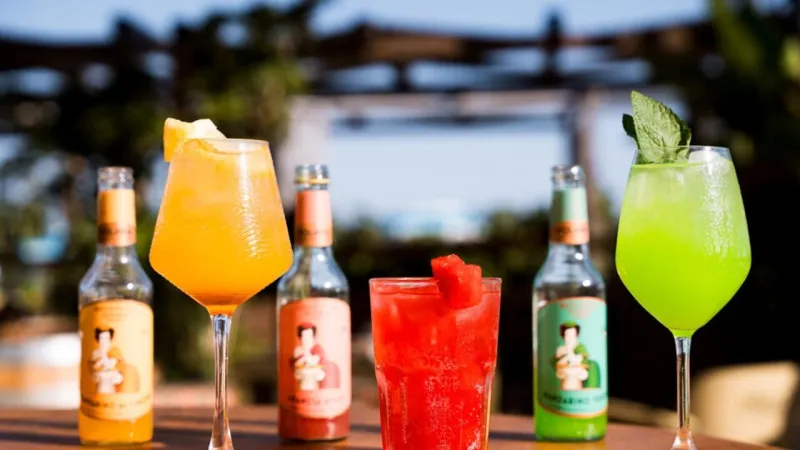
ROME – A burgeoning movement of sober curiosity is reshaping social dynamics among young people, who are increasingly opting for zero-alcohol alternatives during traditional aperitif hours. This significant shift away from alcoholic beverages is spearheaded by innovative bartenders like Mascellaro, who are crafting a vibrant array of fresh, non-alcoholic mocktails that captivate both taste buds and visual aesthetics. The trend signifies a broader cultural reevaluation of consumption habits across social settings.
Sober curiosity, a term gaining significant traction, describes a lifestyle choice where individuals intentionally reduce or eliminate alcohol consumption to explore the benefits of sobriety. It contrasts with abstinence driven by addiction, instead focusing on health, mental clarity, and improved well-being as primary motivators. This mindful approach to drinking resonates deeply with a generation increasingly focused on holistic health.
Central to this burgeoning phenomenon are mocktails, which are far removed from their often-sugary predecessors. Today's non-alcoholic cocktails are sophisticated concoctions, blending complex flavors from fresh fruits, botanicals, artisanal syrups, and non-alcoholic spirits. Bartenders now approach mocktail creation with the same rigor and creativity traditionally reserved for their alcoholic counterparts.
Mascellaro, a prominent bartender, has been instrumental in popularizing these creative zero-alcohol options. She highlights the aesthetic appeal and intricate flavor profiles that make mocktails a desirable choice. These colorful and refreshing drinks offer a complete sensory experience without the intoxicating effects, appealing to those who wish to socialize without compromise.
The appeal extends beyond mere avoidance of alcohol. Many young adults report a desire to wake up without hangovers, maintain peak cognitive function, and cultivate deeper, more present social interactions. This conscious choice empowers them to enjoy social events fully while adhering to their personal health and wellness goals.
The hospitality sector is keenly observing and adapting to this evolving consumer behavior. Bars and restaurants are expanding their non-alcoholic menus, recognizing the growing demand for high-quality alternatives. Establishments that once offered only a basic soda selection now boast curated lists of craft mocktails, non-alcoholic wines, and premium zero-proof spirits, enhancing their inclusive appeal.
This shift also reflects a broader global wellness movement. As awareness grows regarding the long-term health implications of alcohol consumption, more individuals are seeking healthier ways to unwind and connect. Sober curiosity provides a culturally acceptable framework for exploring these alternatives without feeling excluded from social rituals.
The traditional aperitif, a cornerstone of social life in many cultures, particularly in Italy, is undergoing a subtle yet profound transformation. While alcohol remains prevalent, the presence of equally appealing non-alcoholic options democratizes the experience, making it accessible and enjoyable for everyone, regardless of their drinking preferences.
Experts suggest that this is more than a fleeting fad. The underlying values of health, mindfulness, and informed choice are deeply embedded in the current generation's ethos, indicating that sober curiosity and the mocktail movement are likely to have a lasting impact on beverage trends and social norms. The industry is responding with innovation, developing new non-alcoholic products that mimic the sensory experience of alcoholic drinks without the alcohol content.
The widespread adoption of these alternatives points to a cultural maturation where social enjoyment is decoupled from intoxication. This movement fosters an environment where diverse choices are celebrated, and personal well-being takes precedence, ultimately enriching the social fabric of contemporary life.