 Edward DP Situmorang
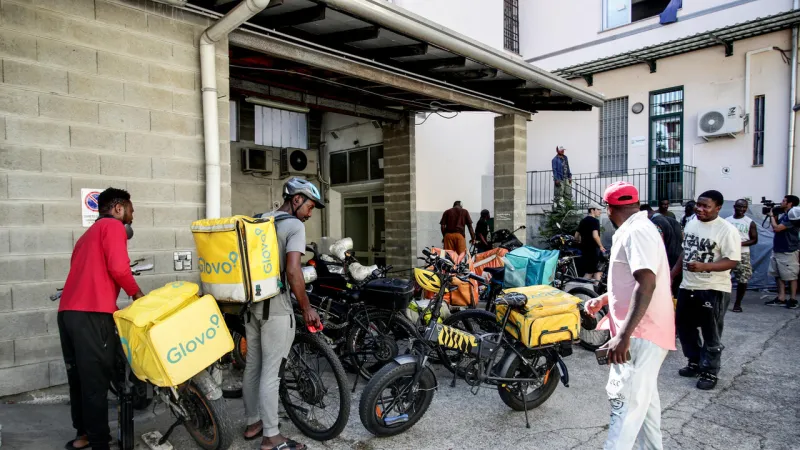
Florence, Italy – Food delivery riders across the city are preparing for a significant strike on July 15, 2026, protesting against what they describe as exploitative low wages and dangerously hot working conditions. The planned industrial action aims to dismantle the prevailing piece-rate compensation model, which workers contend fuels precarity and undervalues their labor.
The impending walkout by Florence food delivery riders underscores growing frustrations within the gig economy, where workers often bear the brunt of operational risks without adequate social protections or fair remuneration. Organized by various worker collectives, the protest highlights a critical juncture for labor rights in a sector experiencing exponential growth.
At the heart of the dispute are the meager earnings riders receive, which many claim fall far below a living wage. Despite working long hours, often six or seven days a week, many struggle to cover basic living expenses in one of Italys more expensive cities. Critics argue that algorithmic management systems often suppress pay rates, leading to intense competition among riders.
Adding to the economic hardship is the severe physical toll exacted by increasingly extreme summer temperatures. Riders are frequently expected to operate in scorching heat, sometimes exceeding 100 degrees Fahrenheit, without adequate breaks, hydration, or protective measures from their platforms. This environmental challenge exacerbates the already strenuous nature of their work.
Central to the riders demands is the definitive abandonment of the piece-rate model, a payment structure where workers are compensated per delivery rather than by the hour. Proponents of this model argue it offers flexibility, but riders assert it incentivizes speed over safety and pushes them to accept low-paying routes, especially during off-peak hours.
“Our demand is clear: we must definitively overcome the piece-rate model,” stated a spokesperson for a local rider collective, emphasizing the need for a more stable and equitable remuneration system. “This system traps us in a cycle of precariousness, forcing us to work longer and harder for less, often at great personal risk.”
The Florence strike mirrors similar movements seen globally, where gig workers are increasingly organizing to demand better conditions, recognition, and collective bargaining rights. In Italy, labor unions and advocacy groups have been pushing for stronger legislative frameworks to protect these often-vulnerable workers.
While the strike will undoubtedly impact food delivery services for residents and tourists in Florence on July 15, organizers hope the temporary inconvenience will draw public attention to the systemic issues riders face. They aim to foster greater consumer awareness and support for their cause.
The harsh realities of gig work extend beyond low pay and heat. Riders frequently face significant road safety hazards, a concern tragically underscored by events such as the recent report of two riders dying in a horrific motorcycle crash in Brno. These incidents highlight the precarious nature of the profession and the urgent need for enhanced safety protocols and employer responsibility. Tragedy Strikes Brno: Two Riders Die in Horrific Motorcycle Crash.
Italian courts and policymakers have intermittently addressed gig worker rights, often ruling in favor of greater protections but facing slow implementation. The European Union has also been deliberating directives aimed at improving the working conditions of platform workers, suggesting a potential shift in the regulatory landscape.
As of press time, major food delivery platforms operating in Florence have not issued public statements regarding the upcoming strike or the specific demands of the riders. Industry representatives often cite the flexibility and supplementary income opportunities provided by the gig model, a perspective often at odds with worker experiences.
The July 15 strike in Florence serves as a potent reminder of the ongoing struggle for fair labor practices within the rapidly evolving digital economy. Observers anticipate that this action, coupled with mounting pressure from unions and civil society, could compel platforms and policymakers to reevaluate the sustainability and ethics of current gig work models.