 Stefani Rindus
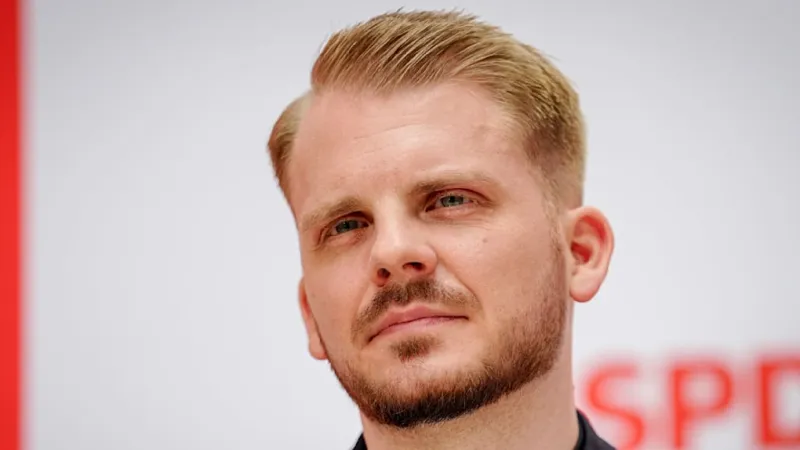
BERLIN – Tim Klüssendorf, General Secretary of Germany's Social Democratic Party (SPD), has staunchly defended calls for higher taxes on large inheritances and substantial wealth, directly countering criticism from the business sector. His remarks come as the governing coalition navigates internal turbulence within the opposition Christian Democratic Union (CDU/CSU) bloc, with Klüssendorf emphasizing the importance of stability for the current administration.
Speaking publicly, Klüssendorf articulated his party's enduring commitment to redistributive economic policies. He explicitly stated, “My social democratic heart bleeds there,” when discussing the perceived inequities of the current tax system, signaling a deep ideological conviction behind the proposal for increased taxation on the affluent.
The push for a robust wealth tax and higher inheritance levies is a cornerstone of the SPD's long-standing economic platform, aimed at fostering greater social justice and funding public services. Proponents argue that such measures would help alleviate the growing disparity between Germany's wealthiest citizens and the broader populace, contributing to a more equitable society.
Klüssendorf’s proactive stance also serves as a strategic move to reinforce the stability of Germany’s ruling coalition. Amidst reported disquiet and challenges within the opposition CDU/CSU alliance, the SPD seeks to project a unified front and clear policy agenda. The political landscape frequently shifts, and maintaining a cohesive government narrative is paramount for longevity and effective governance.
Indeed, recent reports highlighted ongoing challenges for the opposition, with figures such as Markus Söder affirming faith in Chancellor Merz amidst coalition poll woes, underscoring the dynamic and often contentious nature of German political alliances. This backdrop provides context for Klüssendorf’s urgency in solidifying the coalition’s public image and policy direction. Söder Affirms Faith in Chancellor Merz Amid Coalition Poll Woes exemplifies the broader political environment influencing current debates.
The proposed tax increases have, predictably, met with significant pushback from Germany’s influential business associations and conservative economists. Critics contend that higher wealth and inheritance taxes could deter investment, encourage capital flight, and ultimately harm economic growth by reducing incentives for entrepreneurship and wealth creation.
These concerns often revolve around the administrative complexity of assessing and collecting such taxes, as well as the potential for businesses to relocate or restructure to avoid the increased burden. Business leaders frequently argue that existing tax frameworks are sufficient and that additional levies could stifle innovation.
However, Klüssendorf dismissed these arguments, asserting that the economic benefits of a more equitable distribution of wealth would outweigh any potential drawbacks. He stressed that a stable, socially just society ultimately provides a stronger foundation for sustained economic prosperity for all citizens, not just a select few.
For the SPD, the concept of a wealth tax is deeply rooted in its ideological heritage, advocating for a stronger welfare state funded by those most capable of contributing. It aligns with the party’s historical commitment to social democracy and its vision of a collective responsibility for societal well-being.
The debate over wealth taxation is not new to Germany or indeed to Europe. Various nations have experimented with similar fiscal policies, often encountering both support and opposition. The current discussion reflects a renewed global focus on wealth inequality, catalyzed by recent economic shifts and crises.
As the governing coalition looks to maintain its momentum in 2026, Klüssendorf's clear articulation of the SPD's economic priorities aims to rally party support and present a decisive policy direction to the electorate. The outcome of this debate could significantly shape Germany's fiscal future and its social contract.
The SPD’s leadership believes that a firm stance on issues like wealth redistribution is crucial for differentiating itself within the multi-party government and maintaining its appeal to its core voter base. This assertive approach demonstrates the party's intent to lead on key economic reforms.
Ultimately, the viability and implementation of higher wealth and inheritance taxes will depend on intricate negotiations within the coalition and the broader political consensus. Klüssendorf's robust defense marks a critical point in this ongoing national conversation about economic fairness and governmental responsibility.