 Dorry Archiles
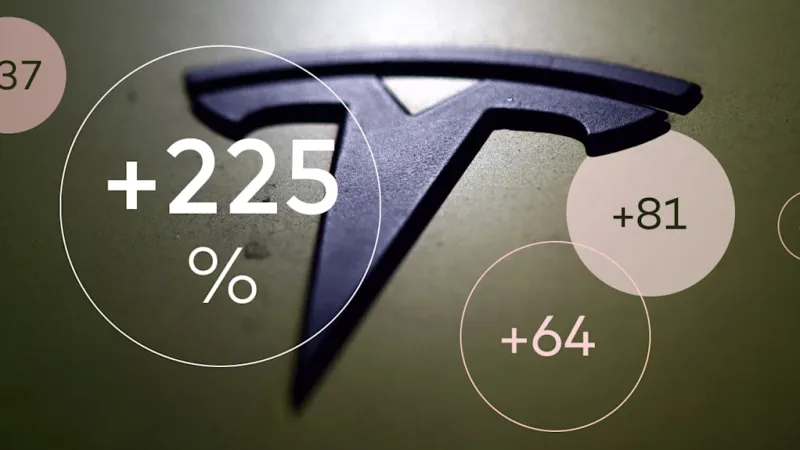
Germany is witnessing an unprecedented surge in electric vehicle purchases, propelled significantly by state-funded "electro-premiums" intended to accelerate the nation's transition to sustainable mobility. Official data reveals, however, that foreign manufacturers, particularly Tesla, are the primary beneficiaries of this taxpayer-supported boom, a trend that starkly contrasts with the performance of indigenous German automotive giants.
The robust demand for electric vehicles across Germany has reached historic levels in 2026, marking a pivotal shift in consumer behavior. This momentum is largely attributed to the generous government incentives, which effectively lower the purchase price of electric cars for consumers. These premiums, financed through public funds, were initially conceived to stimulate domestic production and foster Germany's leadership in green technology.
Paradoxically, German automakers, traditionally powerhouses in the global automotive sector, have not capitalized on this domestic surge to the same extent as their international competitors. While they have increased their electric vehicle offerings, their market share growth within Germany has lagged behind expectations, raising questions about strategic positioning and product appeal.
Tesla, the American electric vehicle pioneer, has emerged as a formidable leader in the German market. Its models, known for their technological sophistication and range, have resonated strongly with German buyers, securing a significant portion of the new EV registrations. This market penetration underscores Tesla's global manufacturing efficiency and aggressive pricing strategies.
Experts attribute this disparity to several factors. Some analysts point to a perceived innovation gap, where German brands have been slower to introduce a diverse range of competitive electric models compared to foreign entrants. Others highlight the swift scalability of companies like Tesla, which can ramp up production to meet sudden spikes in demand more effectively.
The German government's "electro-premium" scheme offers substantial subsidies, making electric vehicles more accessible to a broader demographic. While successful in boosting overall EV adoption, the policy's architecture does not explicitly prioritize vehicles manufactured by German companies, allowing a level playing field where foreign brands can thrive.
This situation presents a complex challenge for Germany's industrial policy. On one hand, the subsidies are achieving their primary goal of decarbonizing transportation. On the other, they are inadvertently channeling significant public funds toward non-German companies, potentially weakening the competitive edge of the nation's own automotive industry.
Industry leaders within Germany have expressed concerns regarding the long-term implications of this trend. They contend that while competition is healthy, a disproportionate flow of taxpayer money to foreign companies could undermine efforts to retain high-value jobs and technological development within Germany.
Discussions are ongoing within governmental circles regarding potential adjustments to the subsidy program. Policymakers are exploring mechanisms that could better align the incentives with the objective of strengthening Germany's domestic automotive sector without stifling consumer choice or slowing the transition to electric mobility.
The current landscape underscores a global shift in automotive power dynamics. As the world transitions away from internal combustion engines, the strategic advantage is no longer solely tied to traditional manufacturing prowess but increasingly to software integration, battery technology, and efficient supply chains.
For the average German consumer, the immediate benefit is clear: a wider selection of affordable electric vehicles, thanks to government support. The broader economic implications, however, demand careful consideration from lawmakers and industry stakeholders to ensure that Germany remains a frontrunner in the evolving automotive landscape.
The success of electric vehicles in the German market continues to grow, and the role of state incentives remains a critical component of this expansion. The question now is how Germany can foster its own industrial growth within this subsidized ecosystem, ensuring that its venerable car manufacturers benefit equally from the green revolution they helped pioneer.
This significant shift highlights the complexities of industrial policy in an interconnected global economy. While the immediate goal of increasing EV adoption is being met, the broader strategic aim of bolstering domestic industry requires continuous evaluation and potential recalibration of incentive programs.