 Angela Stefani
WASHINGTON – The United States Department of Justice has granted its definitive approval for Paramount's staggering $111 billion acquisition of Warner Bros., marking a pivotal moment in the ongoing consolidation of the global media and entertainment industry.
This colossal transaction, one of the largest in recent memory, will fundamentally alter the competitive dynamics within the content creation, distribution, and streaming sectors. The DOJ's decision concludes an intensive regulatory review process, primarily focused on potential antitrust implications and market dominance.
Paramount Global, a media conglomerate with a vast portfolio spanning film studios, television networks, and streaming services, is set to absorb Warner Bros., a storied institution known for its expansive library of films, television shows, and intellectual properties. The combined entity will represent an unparalleled force in the global entertainment market.
The regulatory scrutiny by the US Department of Justice is a standard procedure for transactions of this magnitude, aimed at ensuring that mergers and acquisitions do not unfairly diminish competition or harm consumers. Analysts had closely watched the review, anticipating a rigorous examination of the deal's potential impact on industry players and content diversity.
Concerns often arise in such large-scale media mergers regarding the concentration of power and the potential for reduced innovation or increased consumer costs. However, the Justice Department's green light indicates that, after thorough analysis, it found no prohibitive threats to competition that warranted blocking the merger.
For Paramount, the acquisition of Warner Bros. brings an invaluable trove of content and strategic advantages. It significantly bolsters its intellectual property catalog, enhances its global distribution capabilities, and provides a considerable boost to its streaming service offerings, positioning it more strongly against rival platforms.
Industry observers suggest this merger is a strategic move to secure a dominant position in an increasingly competitive and fragmented digital entertainment landscape. The ability to leverage Warner Bros. extensive content library, from iconic film franchises to beloved television series, will be a critical asset for Paramount's future growth.
Consumers can anticipate a future where a broader array of popular content falls under the umbrella of a single, powerful media entity. While the immediate effects on content availability and subscription models remain to be fully seen, the market is rife with speculation regarding potential bundle offerings and expanded content libraries.
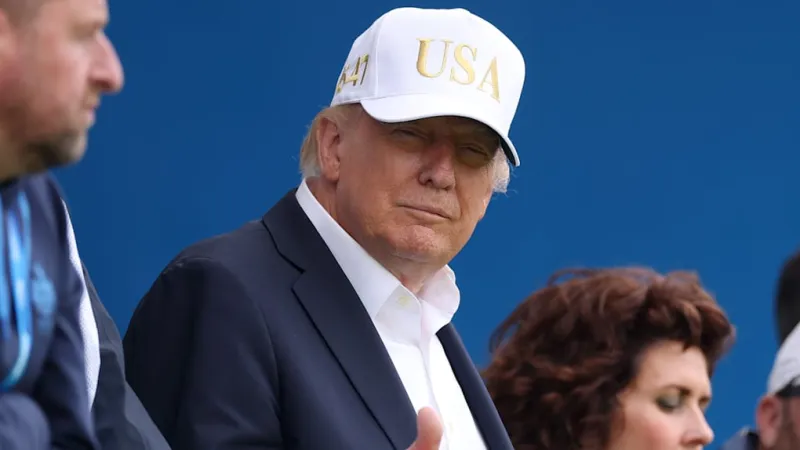
The approval also reflects the current administration's stance on corporate mergers. Under President Donald Trump's tenure, the Justice Department has maintained a pragmatic approach to large-scale business integrations, often emphasizing market efficiency while maintaining vigilance against overt monopolistic practices.
This $111 billion deal underscores a broader trend of consolidation that has swept through the entertainment sector over the past decade. Media companies are increasingly seeking scale to compete for audience attention and advertising revenue in a rapidly evolving digital ecosystem.
Economists have previously pointed to the advantages of such mergers in terms of operational efficiencies and expanded investment in high-quality content. The combined resources of Paramount and Warner Bros. could lead to ambitious new productions and technological advancements.
The finalized acquisition is expected to trigger a cascade of strategic adjustments among other major media players, as competitors re-evaluate their own positions and potential for growth in a newly configured market. The ripples of this decision will be felt across Hollywood and beyond.
With the Justice Department's approval now firmly in place, Paramount can proceed with integrating Warner Bros. into its operations, a complex undertaking that will require meticulous planning and execution to fully realize the synergies promised by such a monumental union.
The media world awaits the next chapter, as this newly formed entertainment titan begins to unleash its combined creative and distributive power on a global audience, shaping the future of how content is produced, delivered, and consumed.