 Stefani Rindus
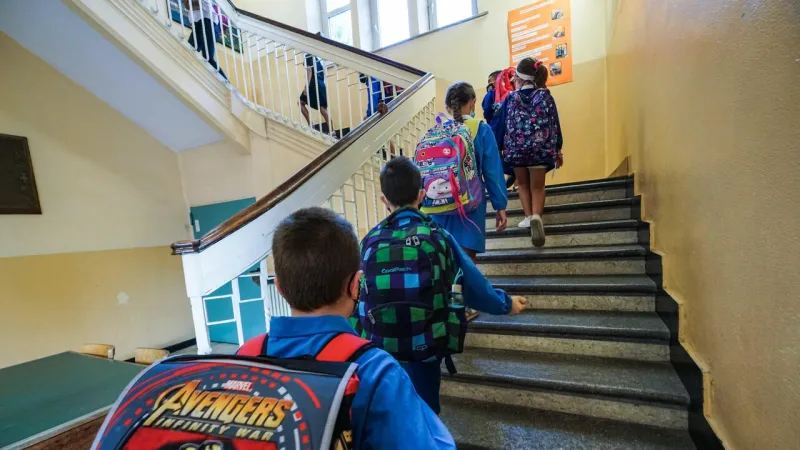
Bolzano, Italy, commenced its new academic calendar today, signaling the start of the school year across the nation, even as persistent heatwaves compelled several other regions to delay their reopening schedules. This staggered approach highlights the diverse challenges facing Italian educational institutions as they welcome students back to classrooms.
The nationwide school reopening process, a carefully orchestrated annual event, will unfold progressively, with various regions setting their return dates through September 17. While Bolzano led the initial charge, other areas grappled with operational adjustments necessitated by unseasonably high temperatures.
Authorities in affected regions cited concerns for student well-being and conducive learning environments as primary drivers for the postponements. Sweltering classrooms without adequate cooling systems pose significant health risks, potentially compromising academic focus and attendance during the initial weeks of instruction.
Local educational departments are actively monitoring meteorological conditions, coordinating with school principals and municipal authorities to determine the most appropriate and safest dates for students to return. These decisions are often made at the provincial or regional level, allowing for flexibility based on localized forecasts.
The annual return to school marks a pivotal moment in Italian family life and the national rhythm. It signifies the end of the summer pausa and a collective shift back to structured routines, impacting transportation, commerce, and public services across the peninsula.
Beyond immediate concerns over heat, the start of a new school year often brings broader discussions regarding educational infrastructure, curriculum updates, and teacher shortages. These systemic issues frequently resurface as millions of students prepare to re-engage with formal learning.
Parental groups and teacher unions have voiced expectations for proactive measures to mitigate future climate-related disruptions. Calls for investment in climate-resilient school buildings and improved ventilation systems are becoming more prevalent as extreme weather events increase in frequency.
The Ministry of Education, University, and Research has historically overseen the general guidelines for the academic calendar, deferring specific start and end dates to regional autonomy. This decentralized system allows for tailored responses to local conditions, including public holidays and environmental factors.
While the immediate focus remains on navigating the current heatwave, the broader implications for long-term educational planning are considerable. Adapting school facilities and schedules to a changing climate represents an evolving challenge for policymakers and educators alike.
Despite the initial hurdles, the underlying commitment to providing quality education remains unwavering. Students, parents, and teachers anticipate a productive academic year, even if the onset has been marked by meteorological challenges.