 Debby Wijaya
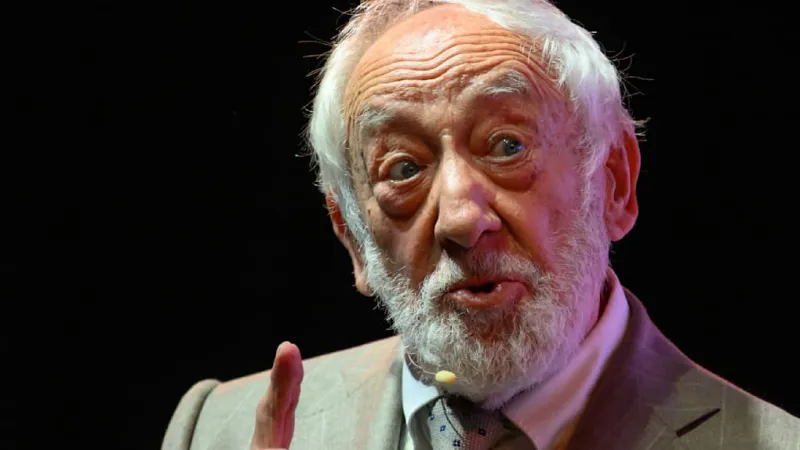
MAGDEBURG – Veteran German actor and comedian Didi Hallervorden has issued a stark warning regarding the potential for an AfD-led government in Saxony-Anhalt, cautioning that such a political shift could impose significant restrictions and dictates on the state’s vibrant cultural sector. Hallervorden, who was born in Dessau, publicly voiced his apprehension and made a passionate appeal to voters, emphasizing the broader implications for artistic freedom and expression.
His concerns revolve around the prospect of what he termed “patriotic duty confessions” for artists, suggesting a future where cultural practitioners might be compelled to align their work with specific ideological tenets. Hallervorden fears these requirements would stifle creativity and independent thought, fundamentally altering the nature of artistic production within the state.
The seasoned performer, known for his satirical roles and distinct humor, has long been a fixture in German entertainment. His decision to speak out underscores the gravity of the political climate, particularly as regional elections approach and the Alternative for Germany (AfD) party continues to gain ground in state polls across the nation.
Saxony-Anhalt, like other states in eastern Germany, has seen a notable increase in support for the AfD. This surge has fueled debates about the party's potential impact on various aspects of public life, from economic policy to social integration, and now, prominently, the cultural sphere. Similar trends have been observed elsewhere, such as the Brandenburg Shock, where the party has demonstrated growing local influence.
Hallervorden’s intervention serves as a critical call to conscience for voters, urging them to consider the far-reaching consequences of their electoral choices. He argues that a strong cultural landscape is essential for a healthy democracy, fostering critical dialogue and reflecting diverse perspectives, attributes he believes would be jeopardized under an AfD administration.
The specific fear of artistic mandates is not new to European political discourse, but it gains renewed urgency with the rising influence of right-wing populist parties. Critics of the AfD often point to elements within its platform that they perceive as nationalistic or culturally exclusionary, raising alarms about potential attempts to control narratives and artistic output.
In this context, Hallervorden’s appeal extends beyond the borders of Saxony-Anhalt, resonating with broader national anxieties concerning the future of liberal democratic values. His message highlights the interconnectedness of political governance and the creative arts, asserting that the freedom to create is intrinsically linked to fundamental societal liberties.
Cultural institutions in Germany, many of which receive public funding, operate under principles of artistic freedom enshrined in the constitution. Any move towards ideologically driven mandates could trigger a significant backlash from artists, cultural workers, and civil society organizations dedicated to upholding these protections.
The debate over cultural influence runs parallel to broader discussions about security and societal cohesion in Germany. As the nation grapples with complex political shifts, there is a renewed focus on defending democratic institutions and civil liberties, a sentiment reflected in discussions like Germany Reignites Debate on Tougher Security Threat Measures.
Hallervorden’s impassioned plea aims to galvanize public opinion and encourage robust democratic participation. He emphasizes that the upcoming elections are not merely about political parties but about safeguarding the fundamental principles that allow culture to flourish as a mirror and a critic of society.
The actor’s statement contributes to an increasingly polarized political landscape where cultural figures often find themselves compelled to take stances on pressing societal issues. His voice adds considerable weight to the chorus of those warning against the potential for cultural homogeny and political interference in the arts.