 Angela Stefani
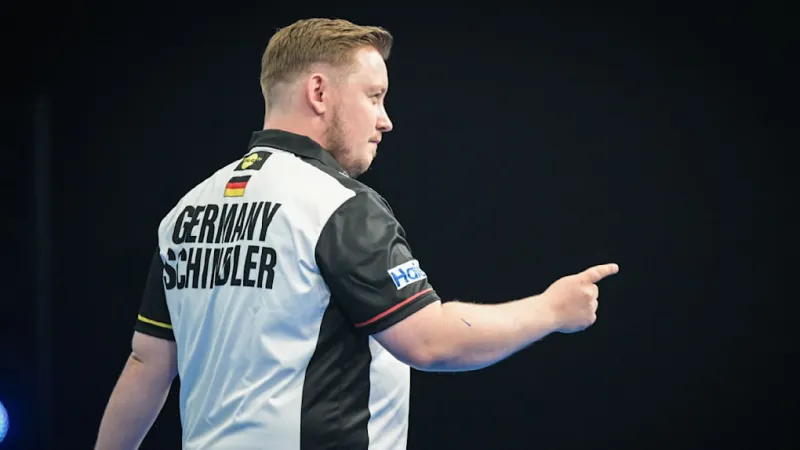
The German darts pairing secured their advancement to the World Cup of Darts knockout stages by clinching their final preliminary match, a victory punctuated by a notable on-air disagreement between television pundit Florian Hempel and analyst Martin Schindler. The tournament also saw Austria experience a dramatic exit from contention.
The German duo, whose identities represent the nation's top talents, demonstrated formidable skill to overcome their opponents in the decisive group stage encounter. This win ensures their continued participation in the highly competitive international darts event. Their consistent performance throughout the preliminary rounds had built anticipation, culminating in this crucial qualification.
However, the on-screen action was momentarily overshadowed by a sharp exchange unfolding in the commentary booth. During the live broadcast of the German match, television personality Florian Hempel directly countered a critical contribution made by fellow analyst Martin Schindler. The exact nature of Schindler's initial critique was not detailed, but Hempel's indirect yet firm rebuttal captured audience attention.
Such public disagreements among sports analysts are uncommon during live broadcasts and often signal deeper professional tensions or differing philosophies on game strategy. Hempel's decisive response highlighted the intensity surrounding the World Cup of Darts and the passionate engagement of its expert commentators. The incident sparked immediate discussion among viewers and on social media platforms.
The German team's journey through the group stage has been marked by resilience and strategic play. Their ability to perform under pressure is a testament to their preparation and mental fortitude, qualities essential for success in professional darts. Securing a spot in the last sixteen is a significant achievement and sets the stage for more challenging matchups ahead.
In stark contrast to Germany's triumph, the Austrian national darts team faced a disappointing conclusion to their World Cup campaign. Details surrounding their dramatic experience indicate a swift and unexpected elimination from the tournament, leaving fans and players alike grappling with the outcome. This outcome underscores the unforgiving nature of top-tier darts competition.
The disparity in fortunes between the two Germanic nations provides a compelling narrative within the broader tournament. While Germany rides a wave of momentum into the next phase, Austria must now reflect on its performance and strategize for future international appearances. The World Cup of Darts invariably produces such highs and lows for participating countries.
The knockout stages represent a significant escalation in difficulty, where single-elimination matches leave no room for error. Germany will face increasingly formidable opponents, each vying for the coveted title. Their continued success will hinge on maintaining their composure and executing precision throws under immense pressure. The atmosphere in these later rounds is electrifying, demanding peak performance from every competitor.
The Hempel-Schindler disagreement, while a sidebar to the actual competition, offered a glimpse into the high-stakes environment surrounding professional darts. It underscored how deeply invested experts are in the sport's nuances and outcomes, potentially sparking a broader dialogue about analytical approaches in sports media. The debate likely resonated with many dedicated darts enthusiasts who follow expert opinions closely.
As the World Cup of Darts progresses, all eyes will be on the remaining teams and the narratives they forge. Germany's promising run, juxtaposed with Austria's early exit and the unexpected clash between commentators, ensures that this iteration of the tournament will be remembered for its on-stage prowess and its off-stage drama. The global audience anticipates more thrilling contests as the competition unfolds toward its climax.
The popularity of darts continues to surge globally, transforming from a pub game into a major professional sport with significant broadcast viewership. Events like the World Cup of Darts are pivotal in this growth, showcasing the precision, mental toughness, and athletic skill required at the highest level. The increasing stakes contribute to both the sporting drama and the commentary intensity observed.
Expert analyses, even when contentious, serve to deepen fan engagement by offering varied perspectives on strategies, player forms, and controversial moments. The exchange between Hempel and Schindler, irrespective of its content, became part of the tournament's broader story, adding another layer of interest beyond the throws themselves. Such debates keep the sport's conversation vibrant.
The German team now prepares for what promises to be their toughest challenges yet. Each match in the knockout bracket presents a unique strategic puzzle, requiring adaptability and nerves of steel. Their performance will not only determine their fate in this tournament but also influence their standing in the international darts community for the remainder of the 2026 season.