 Edward DP Situmorang
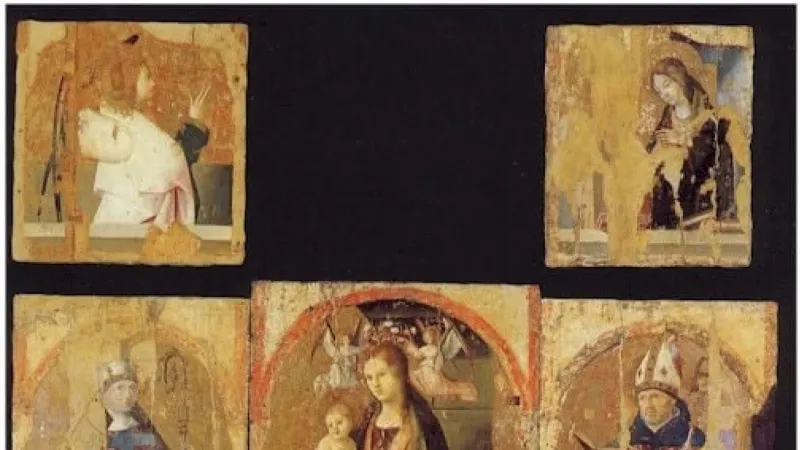
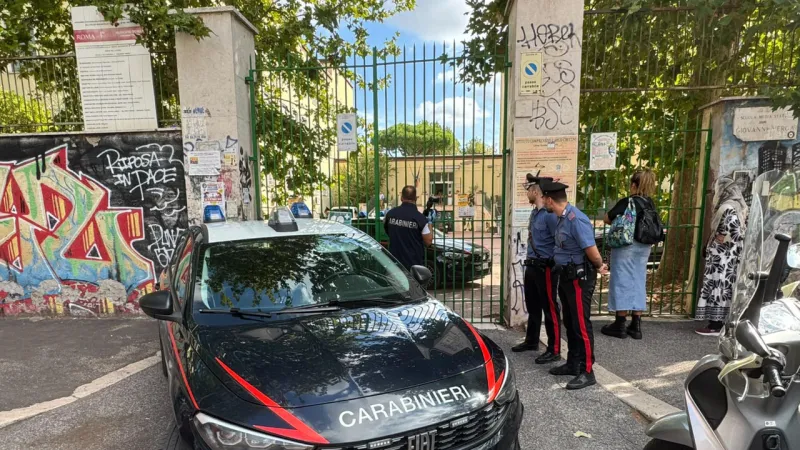
A brazen and meticulously planned art heist has stripped a prominent museum in Palermo, Sicily, of four invaluable panels by Renaissance master Antonello da Messina, including three crucial components of his celebrated Polyptych. The audacious theft, which represents a significant blow to Italy's cultural heritage, has prompted an immediate and widespread investigation by local authorities to recover the irreplaceable artworks.
Among the stolen pieces are four distinct wooden panels, with three confirmed as belonging to Antonello da Messina's renowned Polyptych. This particular work, celebrated for its innovative use of oil paint and psychological depth, is a cornerstone of Italian Renaissance art. The absence of these panels leaves a substantial void in the museum's collection and represents an incalculable loss for art historians and enthusiasts worldwide.
The Sicilian capital, a city rich in history and artistic treasures, finds itself at the center of this high-profile crime. Museums in Palermo house an array of historical artifacts and masterpieces, making the city a frequent target for those seeking to exploit the vulnerabilities of cultural institutions. The incident underscores the persistent challenge of safeguarding art in an era of increasingly sophisticated illicit trade.
Investigators from the Carabinieri's Art Protection Unit (Nucleo Tutela Patrimonio Culturale) have swiftly initiated an extensive probe into the incident. Forensic teams are meticulously examining the crime scene for any clues left by the perpetrators, while security footage from the museum and surrounding areas is being scoured for potential leads. Authorities remain tight-lipped about the exact timing of the theft or how the thieves managed to bypass the museum's security systems.
Experts estimate the combined value of the stolen Antonello da Messina panels to be in the tens of millions of euros, though their cultural and historical worth is considered beyond monetary quantification. The illicit art market thrives on demand for such unique pieces, raising concerns that the artworks may quickly disappear into private collections or be fragmented for individual sale, making their recovery exceedingly difficult.
Antonello da Messina, active in the 15th century, is celebrated for introducing early Netherlandish oil painting techniques to Italy. His meticulous detail, luminous colors, and ability to convey profound human emotion revolutionized Italian Renaissance art. The stolen works are not merely paintings; they are crucial historical documents reflecting a pivotal period in art history.
Italy, with its immense artistic patrimony, has long grappled with art theft. High-profile heists, though less frequent in recent years due to enhanced security measures, serve as stark reminders of the persistent threat. This latest incident prompts a critical re-evaluation of security protocols not just in Palermo, but across cultural institutions throughout the country, particularly those housing works of national significance.
Officials from the Sicilian Regional Department for Cultural Heritage expressed deep dismay over the loss. A spokesperson stated, “We are working closely with law enforcement to ensure the swift return of these invaluable pieces to the public. This is not merely a theft of art; it is a theft from our collective history and identity.”
The recovery of stolen masterpieces often presents formidable challenges. Art theft rings are typically highly organized, employing sophisticated networks for transportation, authentication, and sale. International cooperation among law enforcement agencies, including Interpol, will be crucial in tracking the movement of these distinctive works, should they attempt to cross borders.
Authorities have appealed to the public for any information that might assist in the investigation, urging anyone with knowledge of the theft to come forward. The cultural community now holds its breath, hoping for the safe return of Antonello da Messina's masterpieces, which stand as a testament to humanity's enduring artistic legacy.