 Dodi Irawan
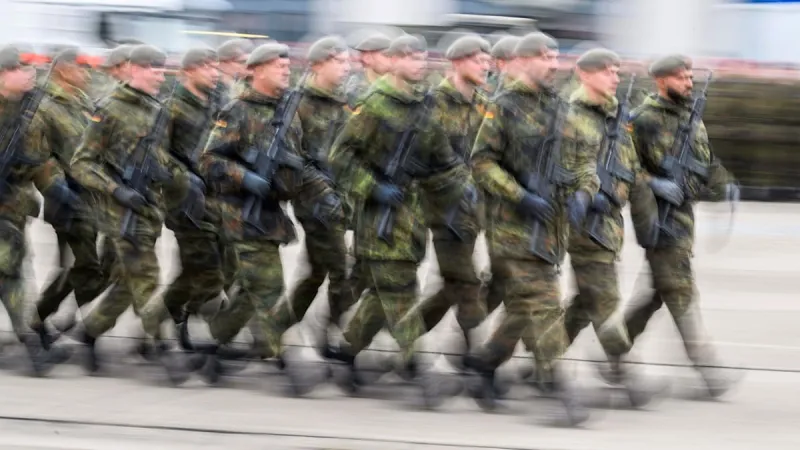
BERLIN – Germany's Bundeswehr has reported a significant surge in interest for its newly established military service, with applications climbing by nearly a quarter since its introduction. The Ministry of Defense confirmed Wednesday that approximately 38,500 individuals have applied so far this year, signaling a notable shift in public engagement with national defense.
This marked increase underscores a renewed focus on military contributions within German society, coming at a time of heightened geopolitical tensions across Europe and beyond. The substantial uptick in applications suggests a growing recognition of the Bundeswehr's role and the potential career pathways it offers.
The new military service, details of which were rolled out earlier this year, aims to bolster the nation's defense capabilities and ensure a steady pipeline of trained personnel. This strategic initiative reflects Germany's commitment to strengthening its armed forces in response to evolving security landscapes.
Officials at the Ministry of Defense expressed satisfaction with the initial figures, highlighting them as a positive indicator of the program's early success. The data provides a crucial snapshot of recruitment trends, pointing towards a healthier interest in military careers than in previous years.
For decades, the Bundeswehr has grappled with various recruitment challenges, including demographic shifts and a lingering pacifist sentiment following World War II. The current surge represents a potential turning point, suggesting a re-evaluation of national service among younger generations.
Analysts attribute the heightened interest to a confluence of factors, including the perceived instability in Europe, the ongoing conflict in Ukraine, and robust governmental campaigns promoting military service. Economic uncertainties may also play a role, with the Bundeswehr offering stable employment and training opportunities.
The German government, under Chancellor Scholz, has increasingly emphasized the need for a stronger national defense, particularly in the context of NATO commitments. Discussions surrounding European defense capabilities and burden-sharing have gained traction, especially concerning relations with the United States. European Leaders Push NATO Renewal Amid Washington Rift
This rise in applications is particularly noteworthy given historical resistance to conscription and military expansion in Germany. The introduction of the new service, which offers various engagement models, appears to have resonated positively with a segment of the population previously hesitant about traditional military paths.
The Bundeswehr aims to leverage this renewed interest to enhance its operational readiness and contribute more effectively to international security operations. This effort aligns with broader European initiatives to strengthen collective defense mechanisms, as articulated by leaders like Italian Prime Minister Meloni. Meloni Urges Stronger European NATO Role Ahead of Crucial Summit
While the initial figures are promising, the long-term success of the new military service will depend on sustained recruitment efforts, effective training programs, and the ability to retain personnel. The Ministry of Defense is expected to continue monitoring these trends closely as the year progresses.
The significant increase in applicants reflects a profound societal conversation about national responsibility and security in a volatile world. It indicates a potential cultural shift where military service is viewed not just as a duty, but as a viable and respected career choice for a growing number of Germans.
Further data releases from the Ministry are anticipated to provide more detailed insights into the demographics and motivations of these new applicants, offering a clearer picture of who is opting for military service and why. This information will be vital for future strategic planning and recruitment drives.
The momentum generated by this surge in applications could also influence public discourse on defense spending and military reform, potentially paving the way for further investments in the Bundeswehr's modernization and expansion initiatives.