 Stefani Rindus
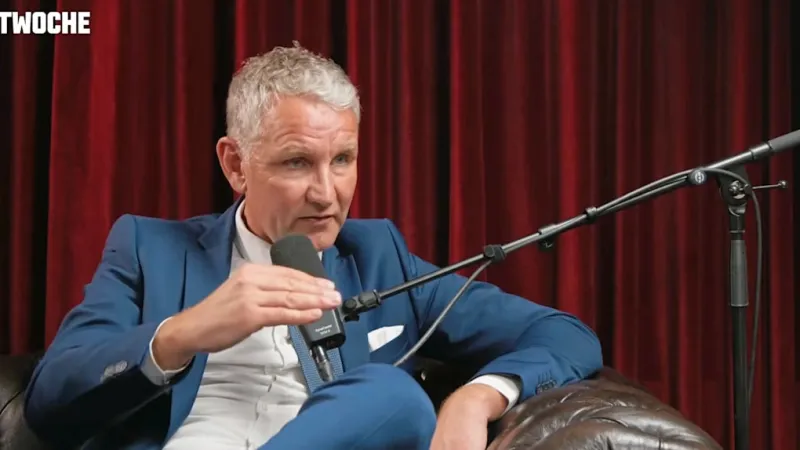
BERLIN – Bjorn Hocke, a leading figure within Germany's Alternative for Germany (AfD) party, has sparked considerable internal party irritation following the release of a podcast where he articulated controversial perspectives on German identity and the United States. His remarks, including a particularly contentious phrase about German-speaking Americans in West Germany, have prompted questions about the party's ideological coherence and its stance on international relations.
The podcast, which has circulated widely, delves into Hocke's nuanced, and often nationalistic, interpretation of what constitutes German identity. His assertion regarding German-speaking Americans in West Germany implies a distinctive cultural separation, seemingly disregarding the complex historical context and the reality of a unified Germany.
This specific phrase has been singled out as particularly problematic by observers both inside and outside the AfD. It suggests a view of identity that is narrowly defined and potentially exclusionary, reigniting debates about regional and cultural divides within the nation that many believed had long been settled.
Sources within the AfD, speaking on condition of anonymity due to the sensitivity of the topic, indicated a palpable sense of bewilderment and concern. They suggest that Hocke's pronouncements could further damage the party's image and alienate potential voters who might be wary of extreme nationalist rhetoric.
The irritation stems not only from the content itself but also from the timing, as the AfD attempts to solidify its position in the broader German political landscape. Such statements risk overshadowing the party's efforts to present a more moderate front on certain issues, hindering its strategic objectives.
Hocke, who serves as the AfD's leader in Thuringia and wields significant influence within its right wing, has a history of making provocative statements. His latest comments are viewed by some as consistent with his broader ideological leanings, yet their explicit nature has surprised even some of his allies.
Political analysts suggest that these remarks could exacerbate existing internal rifts within the AfD, particularly between its more radical and purportedly moderate factions. The party has frequently struggled to maintain a unified public narrative amidst competing ideological currents.
Previous controversies surrounding Hocke's pronouncements on German culture and identity have similarly generated internal party debate and external criticism. As explored in Hocke's West German Culture Claims Spark AfD Leadership Alarm, his viewpoints often challenge mainstream interpretations of German history and national character.
The contentious nature of the podcast also reignites the broader societal discussion on German national identity, or Deutschsein, which Hocke frequently addresses. This ongoing dialogue, as highlighted in Hocke's Deutschsein Claims Spark Outcry, Fuel Polarization Debate, continues to polarize public opinion and fuel political tensions.
The AfD's national leadership now faces the delicate task of addressing these remarks. A strong condemnation risks alienating a powerful faction of the party, while silence could be perceived as tacit approval, further damaging its credibility.
The incident underscores the persistent challenge that prominent, outspoken figures like Hocke pose to the AfD's efforts to project a cohesive and electable image. His personal brand of nationalism frequently tests the boundaries of political discourse in Germany.
For the United States, Hocke's views offer a glimpse into certain segments of European right-wing thought regarding transatlantic relations. While official German policy under Chancellor Olaf Scholz remains firmly aligned with the US, figures like Hocke signal undercurrents of skepticism or alternative perspectives within the political fringes.
This episode reaffirms that despite its growing electoral presence, the AfD continues to grapple with internal ideological battles, particularly concerning the fundamental definitions of national identity and international engagement. The fallout from the Hocke podcast is expected to contribute to ongoing strategic discussions within the party's senior ranks.