 Chris Robert
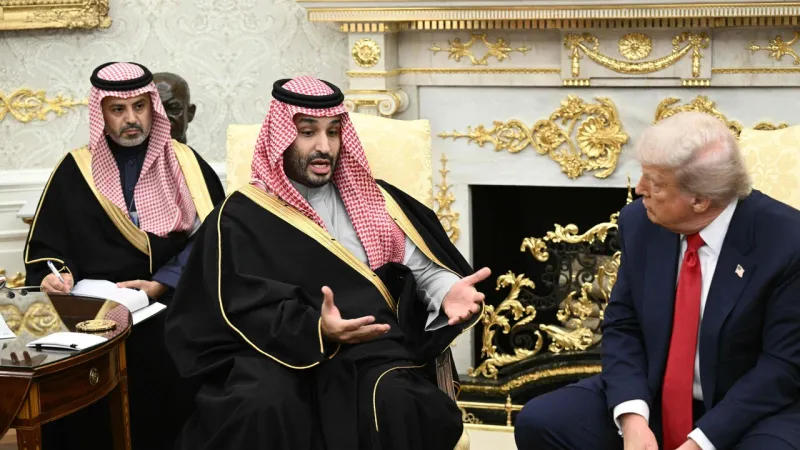
WASHINGTON – President Donald Trump announced a significant understanding regarding the Strait of Hormuz with Iran, expressing confidence that a broader nuclear agreement would follow. This declaration comes in the wake of diplomatic overtures where Saudi Crown Prince Mohammed bin Salman reportedly convinced the American president to cancel a retaliatory strike against Iranian targets, signaling a concerted push for de-escalation in the volatile Middle East.
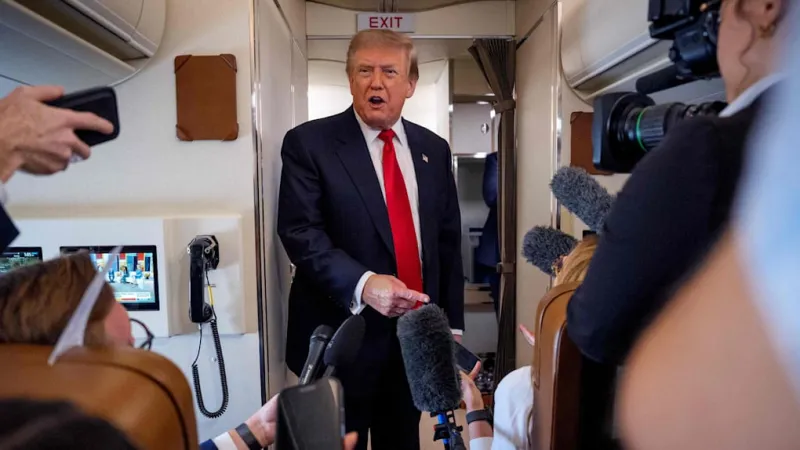
President Trump, speaking from the White House, asserted that the initial agreement concerning the crucial shipping lane demonstrated a willingness from Tehran to engage. "With Iran, there is an agreement on Hormuz, there will be one on nuclear," Trump stated, indicating a pathway he believes could lead to a comprehensive resolution of long-standing tensions.
The Strait of Hormuz, a narrow waterway connecting the Persian Gulf to the open sea, remains one of the world's most critical chokepoints for oil shipments. Control and unimpeded passage through this strait have been a recurring point of contention, with previous incidents raising global alarm about maritime security and potential supply disruptions.
The pivotal role played by Saudi Arabia's Crown Prince Mohammed bin Salman in averting a direct military confrontation underscores a regional desire for stability. Sources close to the administration confirmed that the Saudi leader advocated for restraint, successfully persuading President Trump to halt planned military action following earlier provocations attributed to Iran. This intervention reflects Riyadh's strategic interest in de-escalation rather than open conflict.
This development marks a potentially critical juncture in US-Iran relations, which have been characterized by heightened animosity since the US withdrawal from the Joint Comprehensive Plan of Action, commonly known as the Iran nuclear deal. The willingness of both sides to reportedly engage, even indirectly, on the Hormuz issue could pave the way for broader dialogue.
The prospect of a new nuclear deal evokes memories of the 2015 multinational agreement aimed at limiting Iran's nuclear program in exchange for sanctions relief. President Trump withdrew the United States from that pact, arguing it was insufficient and did not address Iran's ballistic missile program or its regional influence.
Crafting a new nuclear accord presents formidable challenges. Any such agreement would likely require stringent verification mechanisms, concessions from Iran regarding its enrichment capabilities, and assurances from the international community regarding sanctions relief and economic integration. The diplomatic road ahead remains fraught with complexities.
International observers have largely welcomed any signs of de-escalation in the Gulf region. European allies, in particular, have consistently called for diplomatic solutions to the Iran conundrum, fearing that military conflict could destabilize the global economy and ignite a wider regional conflagration.
The ripple effects of US-Iran tensions extend beyond the Middle East, impacting global oil markets and international shipping. A sustained period of diplomatic engagement, if successful, could alleviate these broader concerns and foster a more predictable geopolitical environment.
Crown Prince Mohammed bin Salman's initiative reflects a broader Saudi foreign policy objective to stabilize the region while safeguarding its own strategic interests. Preventing a direct US-Iran military conflict near its borders is paramount for Saudi Arabia, a key regional rival to Iran. This aligns with the report that the Saudi Crown Prince Persuades President Trump to Halt Iran Strike, as previously detailed.
While an agreement on Hormuz is a step, the path toward a comprehensive nuclear deal remains speculative. The coming months will reveal whether President Trump's optimistic outlook for a new pact with Iran can translate into tangible diplomatic breakthroughs, potentially reshaping the geopolitical landscape of the Middle East.