 Chris Robert
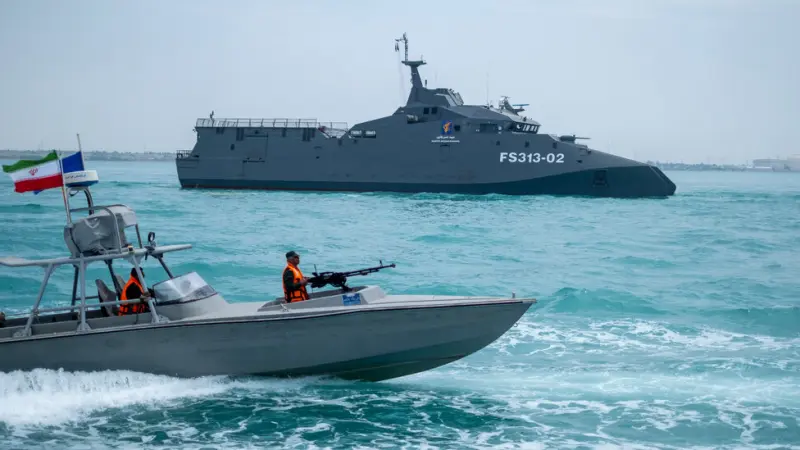
WASHINGTON — President Donald Trump today announced a significant reversal of United States policy regarding the strategic Strait of Hormuz, a move poised to reshape geopolitical dynamics in the Middle East, while across the Atlantic, Britain entered the final intense hours of campaigning for its general election. The dual developments highlight a morning of profound international consequence, with implications for global energy markets and transatlantic relations.
The White House statement detailed a renewed commitment to ensuring unfettered navigation through the critical Persian Gulf waterway, which serves as a vital conduit for approximately one-fifth of the world’s petroleum and other liquid hydrocarbons. This declaration marks a departure from what critics had previously characterized as a less overt American posture in safeguarding the strait against regional threats.
Administration officials, speaking on background, indicated that the decision stemmed from escalating concerns over maritime security and recent unspecified provocations in the region. The reversal signals a more assertive engagement strategy, likely involving increased naval presence and enhanced diplomatic efforts aimed at de-escalation and deterrence.
Observers suggest President Trumps administration is seeking to solidify international confidence in the stability of global energy supplies, a paramount objective for major economies worldwide. The Strait of Hormuz has long been a flashpoint, susceptible to disruptions that could trigger severe economic repercussions.
The immediate reaction from Tehran was muted, though state-affiliated media channels began carrying reports questioning the timing and necessity of such a policy shift. International maritime organizations welcomed the clarified US position, emphasizing the importance of predictable and robust security measures in the crucial waterway.
Simultaneously, the United Kingdom finds itself gripped by the culmination of a fiercely contested general election. Voters are preparing to cast ballots that will determine the composition of the next Parliament and the nation's leadership, with polls suggesting a tight race between the incumbent party and its main challengers.
Campaigns have reached a fever pitch, with leaders crisscrossing the country to make their final appeals. Key electoral issues, including economic stability, healthcare reform, and post-Brexit trade agreements, have dominated public discourse, revealing deep divisions within the electorate.
Analysts predict that the outcome of the British election will have significant ramifications for its domestic policy direction and its standing on the world stage. A clear majority for any party remains uncertain, raising the prospect of a hung Parliament and prolonged political negotiations.
Local media reports from London indicate high voter turnout expectations, as citizens weigh their options in what many perceive as a generational election. The results are anticipated to shape Britain’s economic trajectory and its international partnerships for the foreseeable future.
The coincidence of these two major news events – a pivotal shift in US foreign policy and the democratic process unfolding in a key European ally – underscores the interconnected nature of contemporary global affairs. Decisions made in Washington today will undoubtedly be watched closely by the incoming British government, irrespective of its political hue.
This morning’s rundown paints a picture of a world in flux, where established alliances and regional power balances are continuously re-evaluated. Both the Strait of Hormuz policy reversal and the British election results are set to define the geopolitical landscape for months, if not years, to come.