 Robert Andrison

WASHINGTON — U.S. Naval Forces today commenced a multifaceted mine clearance operation within the strategically vital international shipping lanes of the Strait of Hormuz, aiming to restore unimpeded global navigation and mitigate growing threats to worldwide energy supplies. This critical deployment follows a series of recent maritime incidents that have heightened regional tensions and prompted a direct mandate from President Donald Trump to safeguard stability.
The mission, involving specialized mine countermeasure vessels, advanced underwater drones, and highly trained explosive ordnance disposal teams, targets suspected naval mines believed to have been laid in key maritime choke points. Officials from the Pentagon emphasized the defensive nature of the operation, asserting its necessity for protecting commercial vessels traversing the narrow waterway.
"The freedom of navigation in international waters is non-negotiable, particularly in a region as critical to global commerce as the Strait of Hormuz," stated Secretary of Defense Johnathan Vance during a press briefing this morning. "Our forces are operating with precision and unwavering commitment to ensure that vital trade routes remain open and secure for all nations."
This initiative marks a significant escalation of U.S. military presence in the Persian Gulf, reminiscent of past operations aimed at securing maritime passage. The decision comes after several tankers reported suspicious objects and minor damage in recent weeks, though no definitive attribution for these incidents has been officially declared.
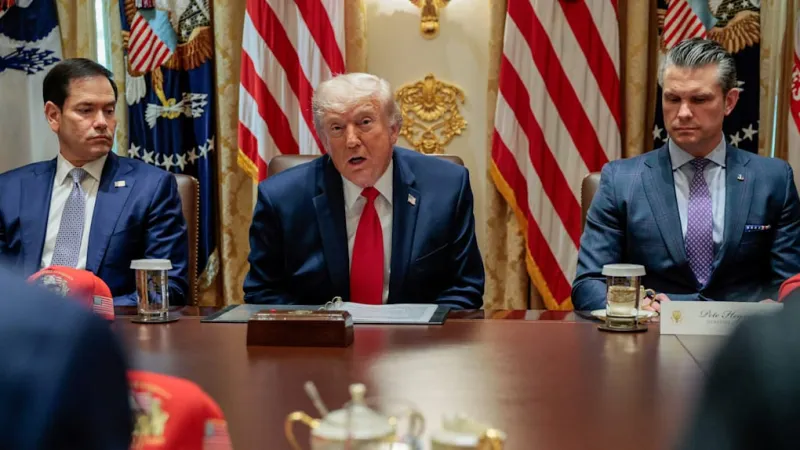
President Donald Trump, speaking from the White House, affirmed the administration's resolve. "America stands ready to protect its interests and the interests of its allies," President Trump declared. "We will not permit any entity to threaten the free flow of oil and goods through one of the world's most important maritime arteries."
The operation is reportedly being coordinated from the U.S. Fifth Fleet headquarters in Bahrain, with assets drawn from various naval commands. Experts suggest the complex task could take several weeks, given the dynamic environment and the need for meticulous reconnaissance and removal procedures.
The Strait of Hormuz, connecting the Persian Gulf to the Arabian Sea, is a narrow maritime passage through which approximately one-fifth of the world's total oil consumption and a substantial portion of liquefied natural gas passes daily. Its vulnerability poses immense risks to global energy markets and economic stability.
While immediate international reactions varied, key U.S. allies in Europe and Asia have largely expressed support for efforts to de-escalate tensions and ensure maritime security. A joint statement from the G7 nations yesterday called for restraint and adherence to international maritime law.
Regional actors, particularly those with a history of asserting influence in the Gulf, have remained largely silent or issued generalized statements about respecting sovereign waters. Analysts suggest this operation could test the limits of regional deterrence and potentially reshape power dynamics.
The mine clearance mission itself carries inherent risks, including potential encounters with unexploded ordnance or hostile forces. U.S. military planners have reportedly implemented robust force protection measures to safeguard personnel and equipment throughout the operation.
The long-term implications of this sustained U.S. commitment to mine clearance extend beyond immediate maritime security, potentially signaling a more assertive posture in the region. The focus remains on demonstrating resolve without provoking wider conflict.
Global crude oil prices saw an initial dip following the announcement, reflecting a degree of market confidence in the U.S. operation's ability to stabilize shipping routes. However, analysts caution that sustained volatility could resume if the mission faces unexpected setbacks.