 Chandra Wijayanto

BERLIN – Germany's long-held prestige as an education leader is currently undergoing a precipitous decline, triggering urgent demands to dismantle what critics term cuddle pedagogy and an overarching equality ideology. This intensifying national debate highlights a crisis threatening the nation's future competitiveness and intellectual capital, spurred by recent assessments indicating a sharp downturn in student performance and academic standards across the country.
For years, international studies have signaled a worrying trend, but the current discourse suggests a critical inflection point. Public and political figures now openly describe the German education system as being in free fall, a stark metaphor reflecting the alarm among stakeholders.
At the core of the controversy lies cuddle pedagogy, a term used to describe overly lenient educational practices. Proponents of reform argue this approach prioritizes student well-being and a non-confrontational learning environment to an extent that undermines academic rigor and the development of critical thinking skills. They contend that this softness inadvertently harms students by ill-preparing them for higher education and the professional world.
Coupled with this is the criticism leveled against an equality ideology, which opponents suggest has been misinterpreted or misapplied to pursue equal outcomes rather than equal opportunities. This, they argue, has led to a lowering of overall standards to accommodate the lowest common denominator, effectively stifling excellence and individual achievement.
While the roots of these pedagogical shifts can be traced back decades, influenced by various reform movements aimed at creating a more inclusive and less hierarchical schooling experience, their practical application is now under intense scrutiny for unintended negative consequences.
The ramifications extend beyond individual student performance, impacting Germany's global standing. A highly skilled workforce has historically been a cornerstone of the nation's economic strength. A weakening education system jeopardizes this foundation, raising concerns about innovation, research, and economic growth.
Leading politicians have weighed in, with some echoing the call for significant reform. Discussions within the federal and state governments are intensifying, signaling a potential shift in educational policy priorities. The debate has become a key topic for major political parties, especially with an eye on future elections.
Educational experts and think tanks are presenting various solutions, advocating for a return to more structured curricula, clearer performance expectations, and merit-based assessments. They emphasize that while inclusivity is crucial, it must not come at the expense of academic excellence.
Parents express mounting anxiety regarding their children's future prospects. Many observe a disparity between the skills taught in schools and the demands of modern society and the job market. This parental disquiet adds significant pressure on policymakers to enact meaningful changes.
Some analysts point to high-performing education systems in other nations that balance strong academic foundations with student support, suggesting Germany could learn from these models. The contrast serves as a benchmark for the reforms being advocated.
The business community, too, watches the developments closely. Industry leaders frequently lament a perceived skills gap among new graduates, underscoring the direct economic impact of a faltering education sector. Ensuring a pipeline of qualified professionals remains critical for maintaining Germany's competitive edge in key sectors like engineering and technology.
Remedial actions are now being discussed at various levels of governance. These range from curriculum overhauls to teacher training initiatives and a re-evaluation of assessment methods. The urgency of the situation demands a comprehensive and collaborative approach.
Striking a balance between fostering a supportive learning environment and upholding rigorous academic standards presents a formidable challenge. Reformers insist that a nurturing atmosphere does not preclude demanding intellectual effort.
Implementing significant educational reforms in Germany, where states largely control educational policy, faces inherent challenges. Consensus building among diverse political factions and regional administrations will be crucial, and potentially protracted. This is a battle that could shape the political landscape for years to come.
The outcome of this fervent debate will profoundly influence Germany's trajectory. A successful overhaul of the education system could reassert its intellectual prowess and secure its position as a global leader. Conversely, inaction risks further decline.
Beyond academics, the strength of the German education system underpins social cohesion and civic engagement. A decline impacts not just individual careers but the collective capacity for informed democratic participation.
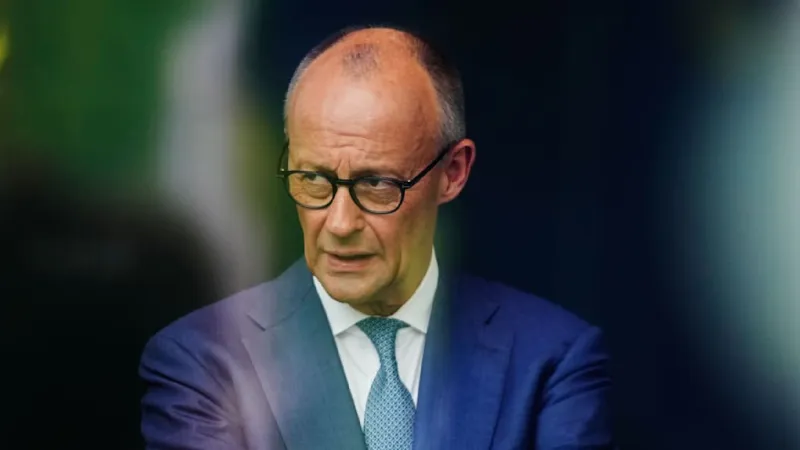
The broader discourse on national leadership and future direction in Germany also resonates with discussions on political figures. As historian Dr. Klaus Richter recently posited, “Bold leadership can propel Merz to significant chancellorship,” implying that decisive political will is paramount in navigating national challenges, including education reform. This point is echoed by many who believe that a strong political mandate is necessary to overcome bureaucratic inertia in addressing the education crisis. Historian: Bold Leadership Can Propel Merz to Significant Chancellorship.
The imperative to address the challenges within the German education system stands as one of the most pressing national tasks for the current administration and successive governments. The integrity of the nations future depends on it.