 Angela Stefani
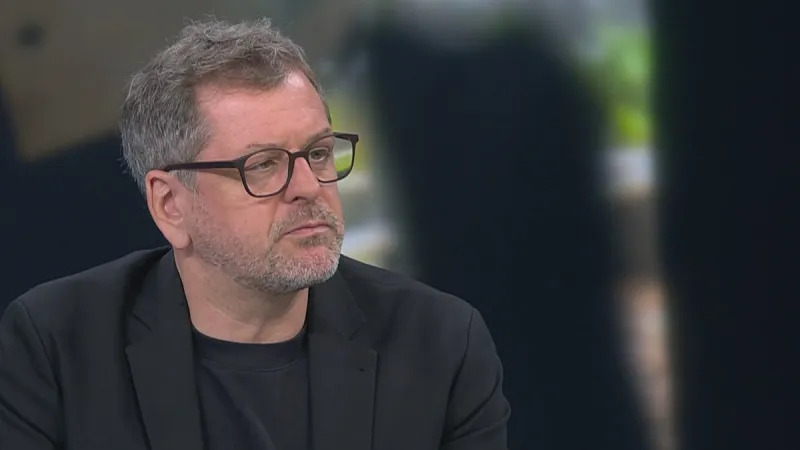
BERLIN – Following a horrific attack during the citys annual Christopher Street Day (CSD) parade, Sebastian Graf, the leading candidate for Berlins Green Party, has issued a forceful demand for comprehensive clarification and resolute action against individuals he identifies as enemies of freedom. "We must not have false tolerance," Graf stated, adding that "Islamist terror is an attack on the way we want to live," emphasizing the profound societal threat posed by such acts.
The demand comes in the wake of the deadly van attack that shattered Berlin Pride, an event celebrating LGBTQ+ rights. The incident sent shockwaves through the German capital, prompting immediate police response and a swift political condemnation. Initial investigations rapidly pointed towards a perpetrator with alleged links to Islamist extremism.
Grafs statement underscores a growing sentiment among political figures that the city must adopt an unequivocal stance against those who seek to undermine its core democratic values and open society. He stressed the importance of avoiding what he termed "false tolerance" when confronted with ideologies that directly challenge the freedoms cherished by Berliners.
The Berlin CSD attack ignited a fierce debate on Islamism and public safety across Germany. Authorities quickly launched a massive manhunt, culminating in the fatal shooting of the suspected assailant, Abdul B., in a subsequent police operation. Details emerging from the investigation revealed the suspects alleged ISIS links, further fueling concerns about domestic radicalization.
Law enforcement agencies have intensified their efforts to understand the full scope of the attack, including any potential networks or accomplices. The swift neutralization of the Berlin CSD terror suspect Abdul Balut in Spandau was widely praised, yet it did little to quell the broader anxieties concerning security vulnerabilities.
Political leaders have echoed Grafs call for heightened vigilance and a robust defense of democratic principles. The incident has prompted discussions within parliamentary committees on strengthening intelligence capabilities and preventative measures against extremist threats.
The Green Party candidate articulated that protecting the diverse and open character of Berlin necessitates a zero-tolerance approach to ideologies that advocate violence and discrimination. His remarks reflect a determination to safeguard the citys reputation as a bastion of tolerance and progressive values, even as it confronts external and internal threats.
This incident has particularly impacted the LGBTQ+ community, for whom the CSD parade serves as a vital affirmation of identity and rights. The attack aimed to instill fear, but community leaders and allies have collectively vowed not to be intimidated, calling for solidarity and continued advocacy.
The government has pledged full resources to the ongoing investigation, promising transparency and accountability. Efforts are underway to support the victims and their families, while also reviewing existing security protocols for large public gatherings.
Grafs intervention highlights the evolving political landscape where parties across the spectrum are grappling with how to address the complexities of terrorism and societal integration. His insistence on consistent clarification and decisive action signals a readiness to confront challenging issues head-on, rejecting any perceived complacency in the face of extremism.
The debate extends beyond immediate security concerns, touching upon the integration of immigrant communities and the role of religious extremism within German society. Experts have warned that the Berlin attack exploited systemic vulnerabilities, urging a holistic approach to counter-terrorism strategies.
Berlins authorities remain committed to upholding civil liberties while simultaneously ensuring public safety. The balance between these two imperatives forms a central challenge for policymakers in the aftermath of such a profound assault on the citys liberal ethos.