Edward DP Situmorang
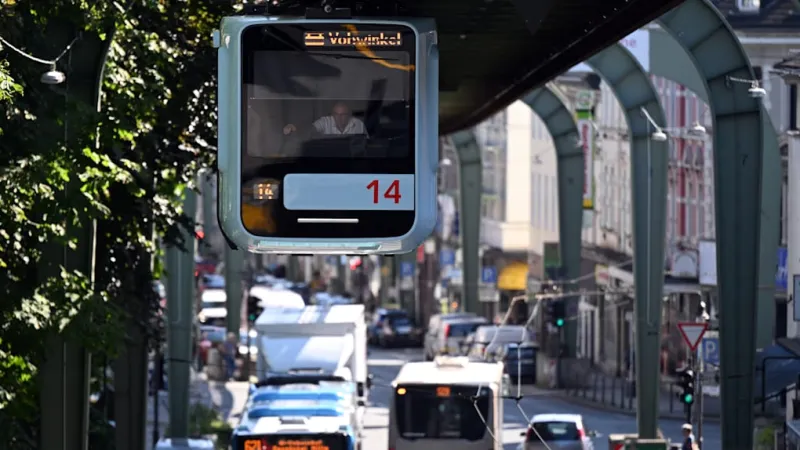
Wuppertal, Germany, has launched unique "Moppertours" to its self-proclaimed "ugliest corners," strategically transforming its persistent reputation for resident grumbling and low city rankings into an unconventional tourist magnet.
For years, the industrial city nestled in the valley of the Wupper River has struggled with a persistent public image issue. National surveys and liveability indices frequently placed Wuppertal at the lower end of satisfaction rankings, perpetuating a narrative of widespread discontent among its populace.
This negative perception even spawned a derogatory nickname for the city: "Moppertal." This portmanteau merges Wuppertal with "moppern," a German colloquialism meaning "to grumble" or "to complain." The epithet vividly captures the stereotype of its perpetually unhappy inhabitants.
However, city officials and tourism strategists have decided to turn this liability into an asset. Instead of attempting to dispel the long-held notion of local grumpiness, they are now celebrating it as a unique characteristic that sets Wuppertal apart.
The "Moppertour" initiative represents a daring pivot in urban branding. These guided excursions deliberately bypass traditional scenic attractions, instead leading visitors through areas that might conventionally be considered mundane, neglected, or simply unattractive.
Participants on the "Moppertours" are invited to experience a raw, unvarnished side of Wuppertal, engaging with its gritty reality rather than a curated, picture-postcard facade. This includes industrial zones, overlooked architectural sites, and neighborhoods that illustrate the citys everyday life.
The strategic shift recognizes a growing segment of modern travelers who seek authentic, sometimes challenging, experiences over conventional tourist traps. It taps into a global fascination with the unconventional and the opportunity to witness places often shielded from public view.
By embracing its perceived flaws, Wuppertal aims to cultivate a niche tourism market, attracting visitors drawn to its self-deprecating humor and honest portrayal. This could include urban explorers, architecture enthusiasts, and those simply looking for a departure from typical travel itineraries.
Beyond merely attracting curious tourists, the city hopes this initiative will foster a renewed sense of ironic pride among residents. By openly acknowledging and even profiting from their infamous disposition, locals might find a new way to relate to their citys identity.
Economic projections suggest that even a small increase in this specialized tourism could provide a significant boost to local businesses, including cafes, independent shops, and cultural institutions that might otherwise be overlooked.
The "Moppertour" offers a compelling case study in destination marketing, demonstrating how perceived weaknesses can be creatively recontextualized into compelling strengths. It challenges traditional notions of beauty and desirability in urban landscapes.
Wuppertals bold strategy could inspire other cities facing similar image challenges to rethink their approach to tourism and urban development, proving that sometimes, the most effective way to attract attention is to be refreshingly, even defiantly, honest about oneself.