 Dodi Irawan
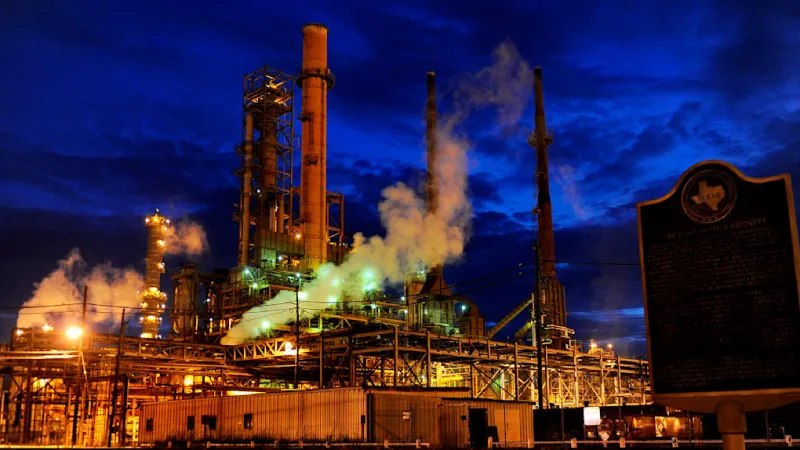
Port Arthur, Texas – A complex geopolitical energy strategy is imposing a profound cost on this small American industrial city, as the European Union secures a massive $750 billion energy deal with President Donald Trump while simultaneously championing its ambitious Green Deal. The transaction, ostensibly aimed at bolstering Europe's supply security, creates a direct strain on communities like Port Arthur, which lie at the heart of the nations energy export infrastructure.
The agreement between the EU and the Trump administration stipulates a significant increase in the purchase of US energy resources. European officials emphasize that these imports are crucial for diversifying their energy sources and reducing reliance on volatile regions, a strategic imperative underscored by recent global instability. This massive procurement ensures a steady flow of essential fuels to European markets, reinforcing their industrial and residential needs.
However, this strategic pivot occurs alongside the EU's persistent commitment to its Green Deal, a comprehensive package of policy initiatives designed to make Europe climate neutral by 2050. The paradox is stark: while Brussels advocates for reduced carbon emissions and sustainable practices within its borders, its demand for energy intensifies fossil fuel extraction and processing in regions far afield.
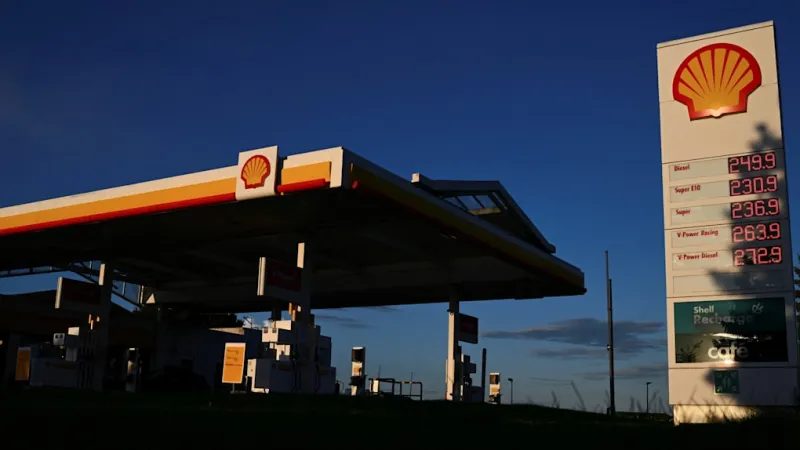
The implications for Port Arthur are tangible and severe. Positioned on the Gulf Coast, the city hosts a concentrated cluster of refineries, petrochemical plants, and liquefied natural gas (LNG) terminals, making it a critical hub for US energy exports. Increased European demand translates directly into accelerated industrial activity, leading to heightened air pollution, water contamination, and a perpetual burden on the local environment.
Residents of Port Arthur often describe their daily lives as a struggle against the omnipresent industrial haze and the subtle, yet pervasive, odors emanating from the sprawling complexes. Health outcomes in the community, particularly respiratory illnesses and certain cancers, consistently rank higher than national averages, prompting local advocacy groups to tirelessly campaign for stricter environmental regulations and corporate accountability.
Environmental justice advocates argue that cities like Port Arthur, predominantly inhabited by minority and low-income populations, disproportionately bear the brunt of global energy demands. The economic opportunities provided by these industries are often cited as a necessary trade-off, yet the long-term health and environmental costs often outweigh the immediate financial benefits for many residents.
The $750 billion deal represents a significant economic boon for the US energy sector, fostering job creation and investment in energy production and export facilities. For President Trump, the deal underscores his administrations commitment to American energy dominance and strengthening economic ties with key allies. However, the geographic concentration of these industrial benefits and environmental drawbacks creates a clear imbalance.
The EU's stated pursuit of supply security through US energy imports, while concurrently promoting a green agenda, highlights a fundamental tension in global climate policy. Critics point out that outsourcing fossil fuel production impacts global emissions regardless of where the consumption occurs, questioning the moral consistency of the Green Deal when its implementation indirectly contributes to environmental degradation elsewhere.
The dynamic raises difficult questions for international diplomacy and climate action. How do nations reconcile their immediate energy security needs with their long-term environmental aspirations? And who bears the true cost when these objectives seem to diverge? The situation in Port Arthur serves as a potent reminder that global energy policies have deeply localized consequences.
For many in Port Arthur, the reality of Europe's climate ambitions feels distant, overshadowed by the immediate impact of industrial expansion on their neighborhoods and health. They are, in essence, subsidizing the EU's energy transition and supply security with their air quality, water purity, and well-being. This unseen price paid by a small American city is a critical, yet often overlooked, facet of the international energy landscape.
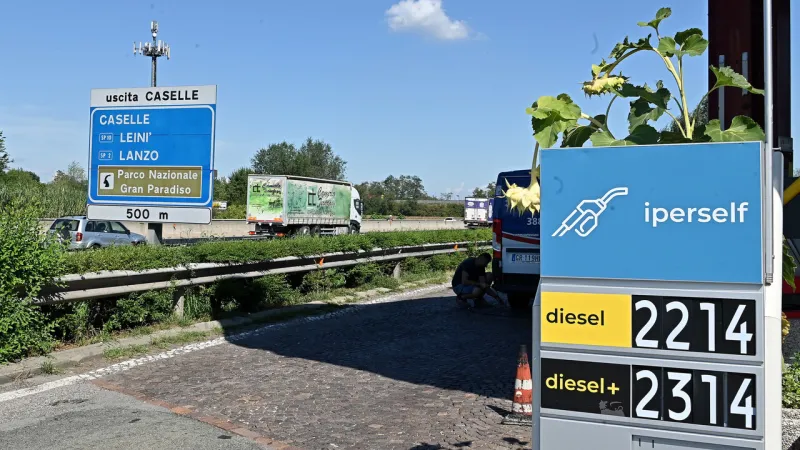
The ongoing global energy crunch, exacerbated by various geopolitical factors, further complicates the narrative. While Europe seeks stability, the demand drives prices and production worldwide. For instance, Soaring Fuel Costs Ground Italian Holidaymakers for June Break highlights the impact on consumers, showcasing the broader ripple effects of energy market dynamics.
This dual strategy by the EU—prioritizing immediate energy security while maintaining a long-term green vision—places Port Arthur at a precarious crossroads. The city embodies the challenge of balancing economic necessity, national security, and environmental protection in an increasingly interconnected world. The human and environmental toll on this Texan community represents an undeniable externality of global energy policy.