 Chris Robert
ROME – Italy's economy is poised for a significant inflationary rebound, concurrent with a projected deceleration in household consumption, according to the latest economic outlook released by Istat, the national statistics agency. The institute forecasts a modest 0.7% growth in Gross Domestic Product for both 2026 and 2027, painting a picture of a challenging economic landscape that could test national resilience and consumer purchasing power.
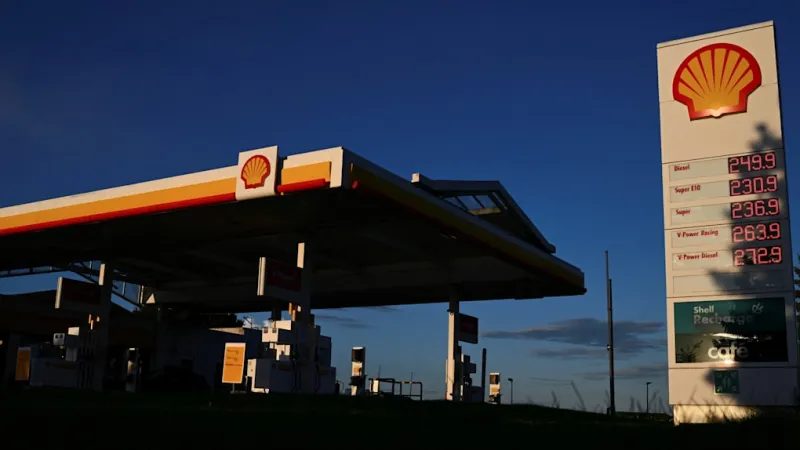
Istat's analysis highlights a sharp rise in inflation, a development that stands to erode the purchasing capacity of Italian families. This resurgence in price increases follows periods of volatility, suggesting underlying pressures from global supply chains, energy costs, and potentially domestic demand shifts.
The anticipated 0.7% GDP growth for the upcoming two years, while positive, indicates a sluggish recovery trajectory. This rate places Italy below the average expected for many advanced economies, signaling a need for targeted policies to stimulate more robust expansion and job creation.
A key concern flagged by the agency is the expected deceleration in family consumption. Historically a significant driver of the Italian economy, reduced household spending could further dampen economic momentum, impacting various sectors from retail to manufacturing. Consumers, faced with rising prices, often curtail discretionary expenditures, preferring to save or cover essential costs.
This intricate economic dynamic underscores a delicate balance policymakers must navigate. Efforts to curb inflation could inadvertently stifle the meager growth, while neglecting inflation might further squeeze household budgets and intensify the slowdown in consumption.
The report implicitly calls for vigilant monitoring by the European Central Bank (ECB), whose monetary policy decisions directly influence borrowing costs and investment across the Eurozone. Italy's inflation trajectory and GDP performance will undoubtedly factor into broader European economic assessments.
Such economic pressures could complicate initiatives like Rome's ambitious plan to target 100,000 new homes in a bold affordable housing drive, as consumer confidence and investment in large-scale projects often correlate with overall economic stability.
Historically, Italy has grappled with periods of low growth and high public debt. The current forecasts suggest that while a recession may be averted, the path to sustained prosperity remains arduous, necessitating structural reforms and fiscal prudence.
The decelerating consumption trend in Italy echoes wider European concerns regarding economic stability, where European leaders face fury as citizen anger mounts over economic conditions and the perceived inadequacy of responses.
For the average Italian household, the combination of rising prices and stagnant wages, coupled with slowing consumption, translates into a palpable reduction in living standards. This scenario could heighten social tensions and increase pressure on the government to introduce protective measures or subsidies.
Government officials have yet to issue a comprehensive response to Istat's latest projections, but economic ministries are likely to convene to strategize mitigating actions. The focus will be on safeguarding vulnerable populations and fostering an environment conducive to investment and job growth.
Analysts suggest that the nation's ability to attract foreign investment and bolster its export sector will be critical in offsetting domestic economic headwinds. Diversifying economic drivers beyond internal consumption becomes paramount under these conditions.
The Istat report serves as a critical barometer for Italy's economic health, offering a stern warning about the challenges ahead. Its projections will form the bedrock for subsequent governmental policy decisions and business strategies across the peninsula.
Further updates are anticipated as the year progresses, with particular attention to how global economic shifts and domestic policy interventions interact to shape Italy's financial future. The coming months will be crucial in determining the efficacy of proposed measures to combat the dual threats of inflation and sluggish growth.