 Angel Doris
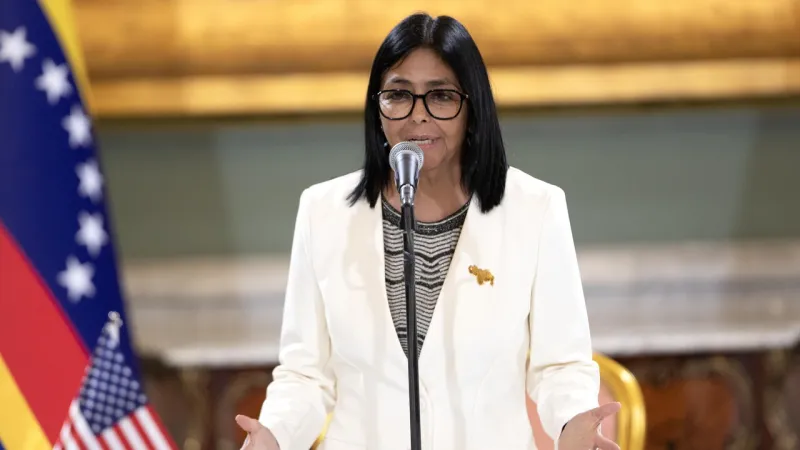
CARACAS, Venezuela – Interim President Delcy Rodriguez formally announced that Venezuela would commence its Christmas festivities on November 1st, an extraordinary move aimed at stimulating the national economy and enhancing citizen happiness. The declaration, echoing similar initiatives by President Nicolas Maduro in previous years, seeks to inject cheer and consumer activity into a nation grappling with persistent economic challenges.
Rodriguez, speaking to state media, emphasized the government's belief that an extended holiday period would serve as a powerful catalyst for economic recovery. "The holidays boost the economy and citizens happiness," she stated, underscoring a strategic intention to foster a sense of normalcy and joy amidst ongoing societal pressures. This early start diverges significantly from traditional global holiday calendars.
This initiative follows a precedent set by President Maduro, who has historically advanced the Christmas season in Venezuela, sometimes as early as October. These past declarations were similarly framed as efforts to combat economic adversity and provide psychological respite for the populace, allowing families more time to engage in festive preparations and traditions.
The decision comes as Venezuela continues to navigate a complex landscape of hyperinflation, sanctions, and economic contraction. Government officials often present such measures as innovative strategies to bolster domestic consumption, support local businesses, and generate temporary employment opportunities in retail and entertainment sectors.
Analysts suggest that while the immediate economic impact might be limited, the psychological effect of an early holiday season is significant. It offers a period of distraction and communal gathering, potentially easing social tensions and reinforcing a collective spirit, however fleetingly. The government hopes this extended period encourages early holiday spending.
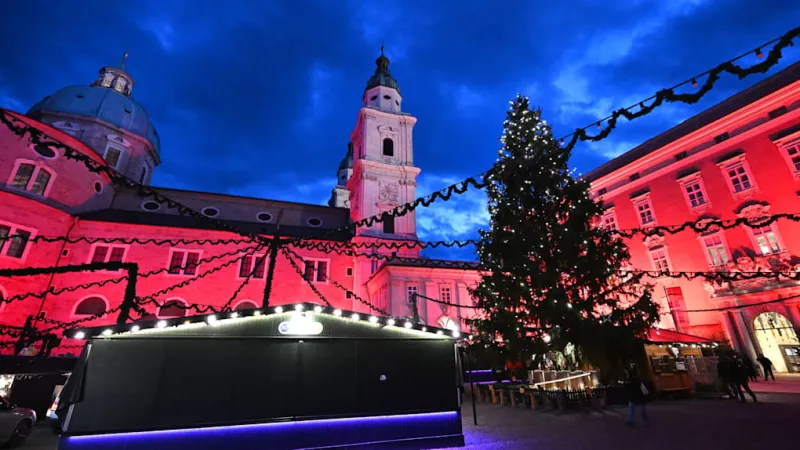
Preparations across the nation are expected to intensify, with municipalities and state-run enterprises likely to organize public events, light displays, and cultural performances earlier than usual. This orchestrated rollout aims to create a pervasive festive atmosphere designed to encourage participation and uplift spirits.
However, critics often question the efficacy of such a policy in addressing the root causes of Venezuela's economic woes. Opposition figures and independent economists argue that superficial measures, while offering temporary relief, do little to resolve systemic issues like currency devaluation, scarcity of goods, and declining production.
They contend that a genuine economic revitalization would require comprehensive policy reforms, including measures to attract foreign investment, stabilize the national currency, and diversify the oil-dependent economy. The early Christmas declaration, in this view, serves more as a political spectacle than a substantive economic strategy.
Internationally, Venezuela's early Christmas celebration is viewed with a mixture of curiosity and concern. While many nations embrace holiday traditions, the overt government decree dictating the start of the season is unusual, highlighting the unique socio-political dynamics at play within the country.
The government remains steadfast in its position, asserting that cultural and social well-being are integral to national development. Rodriguez's announcement solidifies the administration's commitment to utilizing every available tool, including the festive spirit, to foster resilience and hope among its citizens as 2026 progresses.
While the immediate economic benefits remain a subject of debate, the early Christmas initiative reflects a broader strategy by the Venezuelan government to maintain public morale and project an image of stability and normalcy, particularly during challenging times. This approach aims to unite the population through shared cultural experiences.
The coming weeks will show how vigorously the public embraces this extended festive period and whether the intended economic and psychological boosts materialize in a meaningful way across Venezuelan households and markets. The policy offers an interesting case study in governmental attempts to influence public sentiment through cultural decree.