 Debby Wijaya
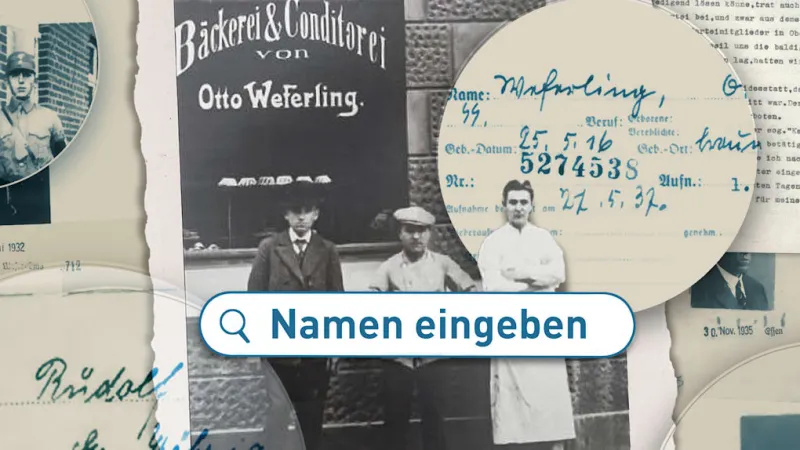
BERLIN, Germany – Newly accessible records detailing membership in the National Socialist German Workers Party (NSDAP) have compelled thousands of Germans to confront uncomfortable truths about their family histories. In recent weeks, citizens nationwide have delved into digitized archives, uncovering whether grandparents and other ancestors were members of the Nazi party, initiating a profound reevaluation of personal and national legacies.
This unprecedented public access to the NSDAP membership registry facilitates a deeper, more transparent examination of a somber chapter in German history. The initiative reflects a continued national commitment to historical clarity and the understanding of past complicity.
The revelations are intensely personal for many. Discovering a grandparent's name within the digitized files triggers a wide spectrum of emotional responses, ranging from profound shock and sorrow to a complex sense of inherited responsibility.
Individuals across the country are grappling with these historical disclosures. One woman, upon learning of her grandfather's party affiliation, expressed a complicated sentiment: while cherishing the family member she knew, she unequivocally condemned his political choices and allegiances during the Nazi era.
Another descendant described feeling a heavy burden of discovery. This prompted a meticulous dive into historical research, seeking to understand the socio-political climate and personal circumstances that may have led their ancestor to join the party.
A third individual shared a profound sense of discomfort and disbelief, which instigated challenging yet crucial discussions within their extended family about how to integrate such stark historical truths into their collective memory.
Historian Dr. Anya Schmidt of Humboldt University notes that membership in the NSDAP was not always rooted in fervent ideology. While some members were ardent supporters, others joined due to career aspirations, social pressures, or sheer opportunism. Nevertheless, every membership, regardless of motivation, lent crucial legitimacy and operational capacity to the regime, she emphasized.
Dr. Schmidt underscores the immense value these archives offer to academia. They provide invaluable data for historians, enabling nuanced studies of complicity, conformity, and resistance across various societal strata during the Third Reich.
The widespread engagement with the NSDAP archive reaffirms Germany's sustained commitment to Vergangenheitsbewältigung, the process of coming to terms with its past. This ongoing national introspection significantly shapes modern German identity and its conscientious role on the global stage.
German institutions, including memorial sites and educational centers, actively support individuals and families navigating these challenging revelations. They provide resources and counseling, highlighting the societal imperative of confronting historical truth with openness and honesty.
The implications of these discoveries extend beyond individual families, contributing to a broader public discourse on memory culture, intergenerational trauma, and the continuous effort to prevent the resurgence of extremist ideologies.
For younger generations, these revelations serve as a potent and tangible reminder of history's enduring impact. They underscore the critical importance of critically examining societal and political developments to safeguard democratic values.
As the NSDAP membership records continue to be accessed and analyzed, Germany reinforces its unwavering resolve to meticulously confront its historical shadows, ensuring that future generations remain vigilant against the forces that once plunged the nation into unimaginable darkness.