 Dodi Irawan

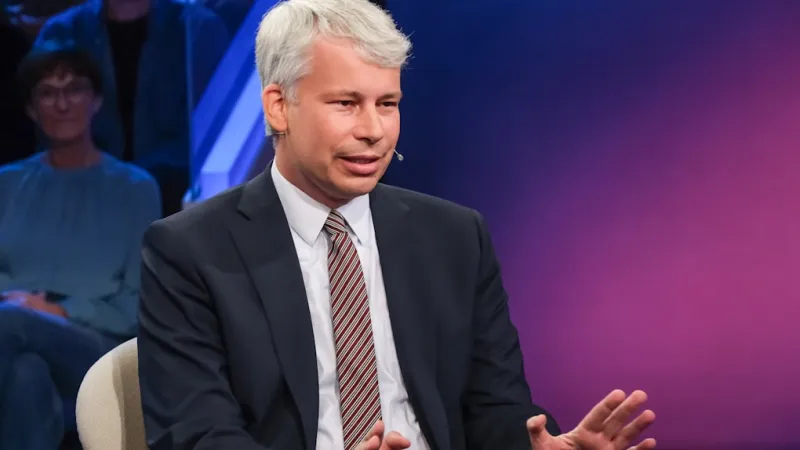
BERLIN – Young people in Germany are increasingly susceptible to radicalization by Islamist groups, driven by a profound search for self-assertion, recognition, and power, according to Mouhanad Khorchide, head of the Center for Islamic Theology. This vulnerability often stems from an anti-Western ideological stance, which recruiters exploit to draw individuals into extremist networks across the nation.
Khorchide’s analysis sheds light on the complex motivations behind this worrying trend, emphasizing that the appeal extends beyond simple religious dogma. He states, "It is the search for self-assertion, recognition, power." This psychological void provides fertile ground for radical ideologies promising a sense of belonging and agency.
The expert further elaborated on the foundational element of an anti-Western worldview. Many prospective recruits, he notes, "justify their plans with an anti-Western ideology." This narrative paints Western societies as oppressive or morally corrupt, offering a perceived righteous alternative through extremist affiliations.
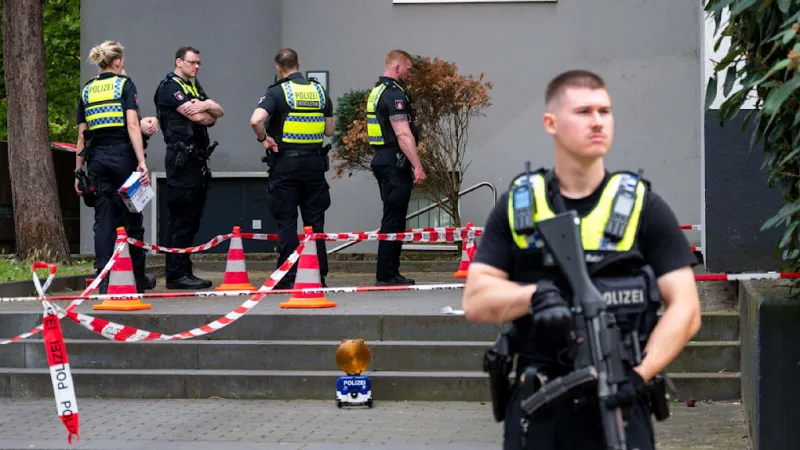
This phenomenon contributes to an ongoing security concern for German authorities. The Federal Criminal Police Office (BKA) has previously identified hundreds of potential suspects linked to Islamist extremism, highlighting the persistent threat. For more on this, see Germany Confronts Surging Islamist Threat: BKA Identifies 410 Suspects.
Beyond the explicit ideological justifications, the allure for many young individuals lies in the promise of a strong, unified identity. In a rapidly changing global landscape, extremist groups offer a clear, albeit destructive, path to self-definition and purpose, particularly for those feeling marginalized or disenfranchised.
Societal factors, including experiences of discrimination or a perceived lack of opportunities, can exacerbate these feelings. These grievances, whether real or imagined, are often manipulated by recruiters who present Islamist groups as champions of the oppressed, offering a platform for grievances and a sense of collective strength.
Recruitment often occurs through various channels, from online propaganda that targets vulnerable individuals to direct personal contacts within communities. These methods are designed to foster a sense of grievance and belonging, gradually drawing individuals deeper into radical circles.
Institutions like the Center for Islamic Theology, led by Khorchide, play a crucial role in understanding and countering this radicalization. Their academic research and community engagement aim to provide nuanced interpretations of Islamic teachings, offering alternatives to extremist narratives and promoting integration.
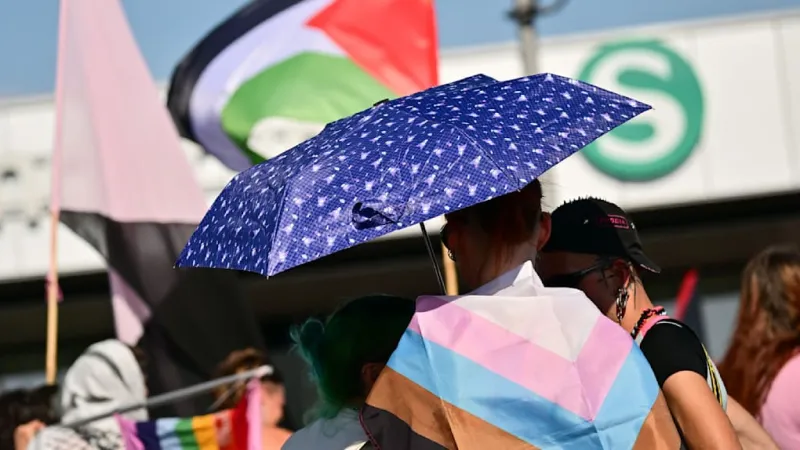
The German government has intensified its efforts to combat radicalization through prevention programs, stricter surveillance measures, and enhanced security protocols. Debates continue on the effectiveness of certain strategies, such as the use of ankle tags for known extremists, a measure discussed after incidents like the CSD attack. Refer to Germany Weighs Wider Ankle Tag Use Post-CSD Attack for further details.
Despite these efforts, the challenge remains significant. Experts frequently point to the complexities of disengaging individuals from radical thought and integrating them back into society. The underlying psychological and ideological drivers, as identified by Khorchide, require comprehensive and sustained interventions.
Effective prevention strategies must address both the ideological pull of anti-Western narratives and the individual vulnerabilities that make young people susceptible. This includes promoting critical thinking, fostering resilient communities, and providing positive avenues for self-assertion and recognition.
The issue is not unique to Germany, with various European nations grappling with similar challenges of homegrown extremism and foreign fighter phenomena. Understanding the psychological underpinnings, as outlined by Khorchide, provides valuable insights for broader counter-radicalization efforts across the continent.