 Angel Doris
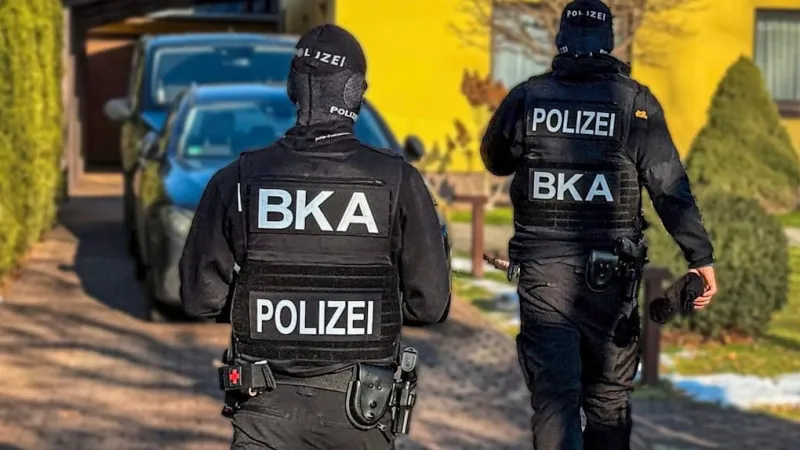
Berlin – Germany's Federal Criminal Police Office (BKA) currently classifies 410 individuals as Islamist "Gefährder," or potential threats, a figure that dramatically outnumbers suspects identified in both left-wing and right-wing extremism. This stark assessment underscores a pervasive and escalating security challenge across the nation, further complicated by a sustained high volume of consultation requests related to radicalization cases.
The latest statistics released by the BKA highlight a significant imbalance in the landscape of extremist threats within Germany. While the exact numbers for left-wing and right-wing extremists designated as Gefährder were not detailed in the report, the BKA emphasized that the Islamist figure stands "significantly higher," signaling a distinct priority for national security agencies.
A "Gefährder" designation in German security terminology refers to an individual believed capable of committing serious politically motivated crimes, including acts of terrorism. This classification is a critical tool for law enforcement, enabling enhanced surveillance and preventative measures to avert potential attacks.
Beyond the direct count of high-risk individuals, the BKA also reported that inquiries into suspected radicalization remain at a consistently "high level." This metric serves as an early warning indicator, suggesting a broader societal vulnerability to extremist ideologies and the ongoing need for robust deradicalization and prevention programs.
This heightened alert follows a period marked by significant public debate surrounding Islamist attacks and potential security lapses. Recent incidents, such as the widely discussed vehicular attack in Berlin, brought national attention to the challenges faced by officials in assessing and mitigating threat levels. Critics questioned the efficacy of existing protocols, as highlighted by reports on German Officials Under Fire for Naive CSD Attacker Threat Assessment after the incident.
The monitoring of individuals within deradicalization programs has also drawn scrutiny. The case of a suspect in a prior attack, who remained under guarded supervision during such a program, exemplifies the complex nature of managing individuals deemed at risk of radicalization. This was a central theme in discussions surrounding CSD Attack Suspect Abdul B. Remained Guarded in Deradicalization Program.
Security agencies face immense pressure to balance civil liberties with national security imperatives while tracking hundreds of potential threats. The resources required for continuous surveillance and intelligence gathering on 410 individuals, along with countless others under less stringent monitoring, are substantial.
The persistent nature of these threats has fueled extensive public discourse, with political figures and security experts consistently stressing the need for vigilance against extremist narratives. The spread of incendiary content by certain online influencers, often inciting hatred or promoting extremist ideologies, further complicates the counter-terrorism landscape, as observed in reactions to reports like Salafist Influencer Sparks Fury with CSD Attack Conspiracy Theory.
The BKA's findings indicate that Islamist extremism continues to represent the most pressing internal security threat in Germany, demanding sustained focus and adaptation from law enforcement and intelligence services. The challenge extends beyond mere enforcement, necessitating comprehensive societal approaches to prevent radicalization at its roots.
Experts emphasize that the battle against extremism requires a multi-faceted strategy, combining robust intelligence operations, effective law enforcement, and community engagement initiatives. Preventing individuals from succumbing to extremist ideologies, particularly online, remains a critical component of Germany's national security strategy.
The high number of Gefährder underscores the ongoing need for international cooperation in counter-terrorism efforts. Germany frequently collaborates with European partners and global agencies to share intelligence and coordinate responses to transnational threats, recognizing that radicalization often transcends national borders.
As Germany navigates this complex security environment, the BKA's regular assessments serve as vital benchmarks for understanding evolving threats. The current figures provide a sobering reminder of the continuous vigilance required to protect public safety and uphold democratic values against those who seek to undermine them through violence and intimidation.