Chris Robert
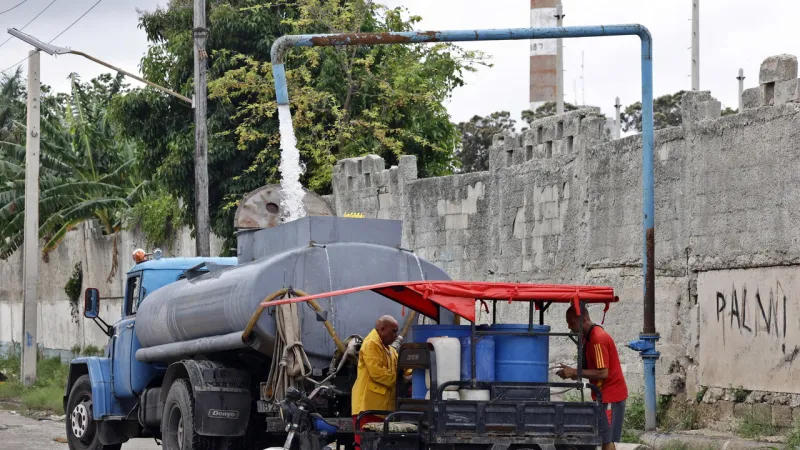
HAVANA—An escalating infrastructure crisis has plunged millions across Cuba into prolonged darkness, with power outages stretching up to 30 hours, concurrently crippling water supply systems and leading to reports of contaminated water affecting 2.7 million residents. The severe electricity shortages are directly impeding the operation of vital water pumps, exacerbating a growing humanitarian concern on the island.
The extensive power cuts, which have become a grim reality for many Cubans, signify a critical failure within the nations aging energy grid. Residents in numerous provinces are experiencing unprecedented durations without electricity, disrupting daily life and essential services. These blackouts are not merely an inconvenience; they pose a direct threat to public health and safety, impacting everything from food preservation to communication.
Compounding the power crisis is the alarming state of water provisions. With electric pumps rendered inoperable for extended periods, water reservoirs are not being replenished, and the distribution network is severely compromised. Reports have emerged detailing the presence of larvae in drinking water, raising serious concerns about widespread waterborne illnesses among the affected population.
The staggering figure of 2.7 million people without reliable access to water highlights the widespread nature of this emergency. This segment of the population faces an immediate health risk, as the lack of potable water forces reliance on alternative, often unsafe, sources for drinking, cooking, and sanitation. International health organizations are likely monitoring the situation closely.
Authorities attribute the primary cause of the crisis to the nations chronic electricity shortage, which has been steadily worsening in recent years. Aging infrastructure, a lack of investment in modernization, and challenges in securing fuel supplies for power generation have created a precarious energy landscape. The impact of these systemic issues is now being felt acutely by ordinary citizens.
The Cuban government faces immense pressure to address these dual crises. Resources are stretched thin, and public frustration is mounting. While official statements often cite external factors, the immediate need for tangible solutions to restore basic services remains paramount. The long-term implications for the nations stability and public trust are considerable.
Families are struggling to cope without electricity for refrigeration, limiting access to fresh food and medicines that require cold storage. The absence of reliable water sources means basic hygiene practices are difficult to maintain, further escalating health risks, particularly for vulnerable populations such as children and the elderly.
Beyond the immediate humanitarian concerns, the persistent power outages and water scarcity are crippling local economies. Small businesses, reliant on electricity for operations, are forced to halt production or close entirely, contributing to economic stagnation. The impact on tourism, a vital sector for foreign exchange, is also a growing concern as the nations infrastructure struggles.
Cuba has a long history of grappling with infrastructure challenges, often exacerbated by international sanctions and limited foreign investment. However, the current depth of the energy and water crisis suggests a new level of severity, pushing the nations resilience to its limits. Past efforts to upgrade systems have yielded limited success, leaving the country vulnerable to such widespread disruptions.
Without significant and sustained investment in energy production and water infrastructure, the prospect of alleviating these recurring crises appears distant. Experts warn that the current situation could become the new normal, leading to further social unrest and a decline in public health standards unless urgent measures are implemented to modernize and stabilize essential services.