 Chris Robert
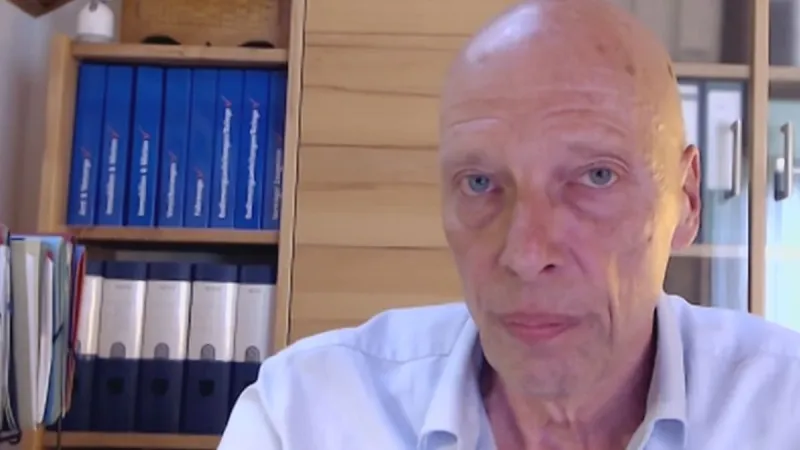
BERLIN – Abdul B., the individual suspected of involvement in the egregious CSD Islamist Attack, maintained a highly controlled demeanor throughout his participation in a deradicalization program orchestrated by the Violence Prevention Network. Thomas Mücke, the organization’s managing director, recently detailed the challenging nature of these interactions, indicating the suspect's carefully guarded responses during the therapeutic sessions.
Mücke described Abdul B. as "very controlled in his answers," a characterization that underscores the complexities inherent in engaging individuals suspected of extremist ties. This observation suggests a strategic reticence rather than genuine openness, posing significant hurdles for facilitators aiming to foster profound ideological shifts.
The Violence Prevention Network operates with the critical mission of countering extremism and promoting rehabilitation, working with individuals at risk of radicalization or those already entangled in extremist ideologies. Its programs typically involve intensive psychological and social support, aiming to disengage participants from violent narratives and integrate them back into society. The case of Abdul B. highlights the severe challenges faced when participants are unwilling or unable to fully engage.
Abdul B. became a focal point after his alleged connection to the CSD attack, an event that profoundly shocked Germany and ignited urgent debates about internal security and the efficacy of preventative measures. The Berlin Officials Blame CSD Islamist Attack on Rising Right, Sparking Fury, reflecting the contentious political landscape surrounding the incident.
The alleged attacker's background remains under scrutiny, with previous reports from related incidents suggesting individuals involved in such acts can be deeply indoctrinated. While specific details about Abdul B.s radicalization path were not fully disclosed by Mücke, the difficulty in penetrating his guarded facade points to a deeply entrenched mindset.
Critics and observers often question the effectiveness of deradicalization programs when dealing with hardened extremists. The ability of some individuals to feign compliance or understanding while internally maintaining their extremist convictions presents a persistent dilemma for prevention efforts. This dynamic fuels ongoing discussions about accountability and the balance between rehabilitation and public safety, especially after events like the Probation for Convicted Islamist Sparks German Law Debate After CSD Attack.
Mücke's account provides a rare glimpse into the intimate but fraught process of attempting to deconstruct radical ideologies. He did not elaborate on the specific techniques employed during the conversations with Abdul B. but implied that the lack of unreserved communication created an arduous environment for genuine therapeutic progress.
The CSD attack, which garnered widespread national and international attention, prompted calls from leading political figures for rigorous assessment of Germany's counter-extremism strategies. Friedrich Merz Demands Answers After Deadly Berlin Attack, underscoring the political pressure on authorities to prevent future tragedies.
The challenges encountered during Abdul B.s deradicalization process underscore a broader societal conundrum. How can institutions effectively dismantle deeply ingrained extremist beliefs when the subject actively resists introspection or transparent engagement? This question remains central to national security debates across Europe.
Experts in radicalization studies often highlight the need for long-term, multi-faceted approaches that extend beyond mere conversation. They advocate for comprehensive support systems that address underlying grievances, social isolation, and ideological conditioning, acknowledging that behavioral change often precedes genuine attitudinal shifts.
The dialogue surrounding the CSD attack also saw significant political discourse, with some commentators criticizing perceived leniency or misdiagnosis of the threat. For instance, journalist Ahmad Mansour has slammed Berlin Lefts Stance on Islamism, Police: Sheer Madness, reflecting a segment of public opinion demanding tougher approaches.
The case of Abdul B. reinforces the vigilance required in dealing with potential or actual perpetrators of extremist violence. While deradicalization programs offer a hopeful pathway, their success hinges on the participant's willingness to genuinely confront and relinquish their radicalized perspectives.
As discussions continue within German political circles regarding national security and counter-terrorism measures, the insights from the Violence Prevention Network regarding Abdul B. will undoubtedly contribute to the ongoing refinement of strategies designed to combat extremist threats effectively in 2026.