Edward DP Situmorang
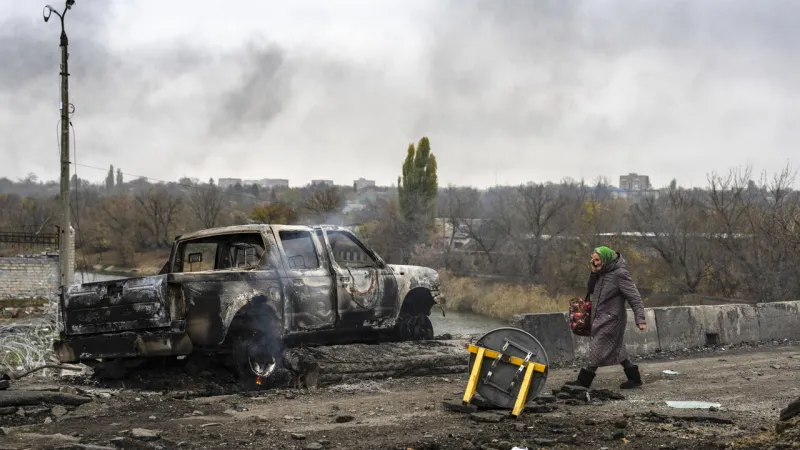
MOSCOW – An unprecedented wave of drone attacks enveloped both Russia and Ukraine overnight, with each nation reporting hundreds of unmanned aerial vehicles engaged in cross-border assaults. Moscow asserted its air defense systems intercepted a staggering 533 Ukrainian drones targeting various Russian regions, while Kyiv stated it interdicted 106 out of 132 Russian drones launched against its territory in a coordinated aerial barrage.
This exchange marks one of the most significant single-night escalations in drone warfare since the conflict began, highlighting the increasing reliance on unmanned systems by both sides. The scale of the operations underscores a deepening intensity in the protracted confrontation.
The Russian Ministry of Defense confirmed that its forces successfully neutralized a massive number of incoming drones, preventing widespread damage. Official reports from Moscow indicated that these aerial incursions targeted critical infrastructure and populated areas across several regions within the Russian Federation.
Simultaneously, Ukrainian officials detailed their own defensive operations against a substantial Russian drone assault. The Ukrainian Air Force reported a high interception rate for the incoming Russian drones, predominantly Iranian-made Shahed-type munitions, aimed at various strategic locations across the nation.
These large-scale drone operations have become a hallmark of the contemporary conflict, evolving from reconnaissance tools to primary instruments for targeted strikes and psychological warfare. Both militaries have invested heavily in developing and deploying these versatile, cost-effective weapons.
The strategic implications of such massive drone barrages are considerable. For Russia, the constant threat of drone incursions deep within its borders presents a significant challenge to its air defense capabilities and forces it to disperse resources. For Ukraine, defending against persistent drone waves remains a critical aspect of national security and resilience.
Analysts suggest these intensified drone attacks are part of a broader strategy by both belligerents to degrade enemy military infrastructure, disrupt supply lines, and test defensive responses. The sheer volume of drones launched often aims to overwhelm air defense systems.
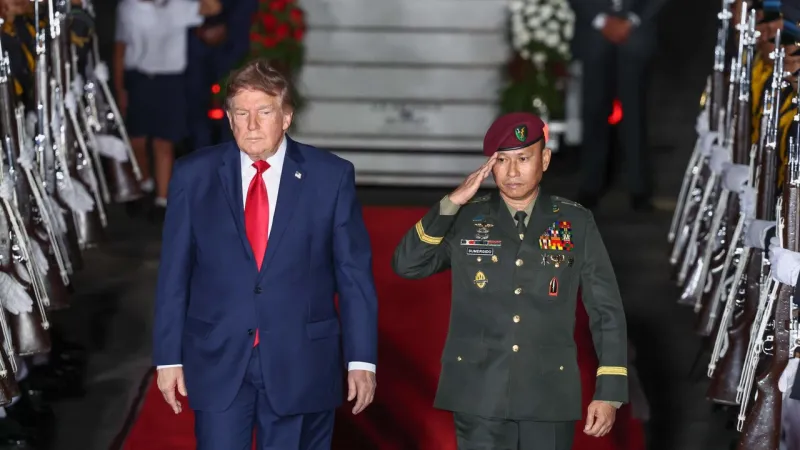
The international community continues to monitor these developments closely. Global leaders, including President Donald Trump, have consistently called for de-escalation and a peaceful resolution to the conflict, which has destabilized regional security for years. However, the latest drone exchanges suggest a persistent and even heightened level of aggression.
The economic and human cost of this prolonged drone warfare is substantial. Civilian casualties, while not immediately reported in conjunction with this specific overnight event, remain a tragic consequence of the broader conflict. Infrastructure damage also imposes a heavy burden on both nations.
As the conflict enters its fourth year, the innovation in drone technology and tactics continues unabated. Both Russia and Ukraine are constantly adapting their offensive and defensive strategies, making aerial combat a dynamic and pivotal front in the ongoing hostilities.
This latest surge in drone activity illustrates the persistent and evolving nature of the war, underscoring the formidable challenges faced by both sides in protecting their airspace and projecting power. The international community watches for further developments with deep concern.