 Dorry Archiles
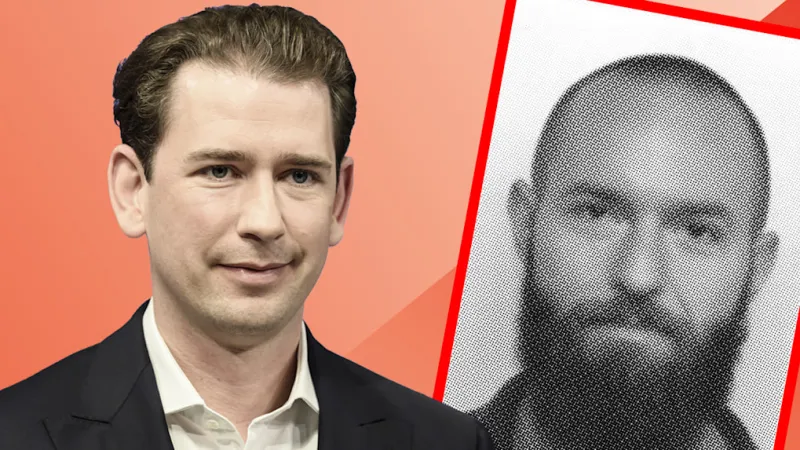
VIENNA – Jan Marsalek, the elusive former Wirecard board member, has reportedly asserted his involvement in the political downfall of former Austrian Chancellor Sebastian Kurz. This incendiary claim, emerging from a cache of investigation documents reportedly obtained by the Axel Springer Global Reporters Network, adds a new, potentially explosive dimension to both the ongoing Wirecard financial scandal and Austria's recent political history.
Marsalek, a central figure in one of Germany's largest postwar corporate fraud cases, has been on the run since 2020. He is wanted by international authorities for allegations of fraud, embezzlement, and market manipulation, with estimates of missing funds exceeding 1.9 billion euros from the collapsed payment processing giant, Wirecard.
Sebastian Kurz served as Austria's Chancellor from 2017 to 2019 and again from 2020 to 2021. His political career, marked by a rapid ascent as a young and charismatic leader, concluded amidst a swirling scandal involving allegations of bribery and breach of trust, which he has consistently denied.
The documents in question are said to contain Marsalek's own alleged statements or information attributed to him, directly linking his actions to the circumstances that led to Kurz's ouster. The exact nature of this purported involvement remains shrouded in secrecy, sparking intense speculation across European political and intelligence circles.
Investigators have long pursued Marsalek, with reports suggesting he may be hiding in Russia, possibly under the protection of state actors. His purported connections to intelligence services have been a consistent undercurrent in the Wirecard narrative, adding layers of geopolitical complexity to the financial fraud.
Kurz's political troubles culminated in a no-confidence vote in 2019, triggered by the Ibiza-gate scandal, which implicated his coalition partner, the Freedom Party. He later returned to power but resigned again in 2021 amid further corruption investigations, denying any wrongdoing and maintaining his innocence.
The revelation of Marsalek's alleged claim reopens wounds within Austrian politics and raises pressing questions about external influences on national leadership. It suggests a potential clandestine operation aimed at destabilizing or manipulating the political landscape, moving beyond mere financial impropriety.
For the Axel Springer Global Reporters Network, obtaining these documents signifies a significant journalistic coup, providing critical insights into the shadowy intersection of high finance, espionage, and national politics. The network's reputation lends considerable weight to the seriousness of these emergent allegations.
The ongoing international hunt for Marsalek intensifies with these new claims. His capture remains a priority for law enforcement agencies across Europe, eager to unravel the full extent of the Wirecard conspiracy and any associated criminal or political undertakings.
While the documents only recently surfaced, the period surrounding Kurz's political challenges was rife with allegations of behind-the-scenes maneuvering and media manipulation. Marsalek's reported claim could provide a missing piece to this complex puzzle.
Such assertions, even from a discredited fugitive, compel authorities to re-examine existing evidence and pursue new lines of inquiry. The integrity of Austria's democratic processes hangs in the balance as these serious allegations demand thorough investigation.
In a broader context, instances of high-level political figures facing scrutiny due to external pressures or illicit financial connections are not unique. Recent global events, such as the arrest of a Paraguayan ex-president amid public fury, underscore the constant challenges to political stability and accountability worldwide.
These new allegations could significantly impact Sebastian Kurz's public image and legacy, despite his consistent denials of impropriety during his time in office. The shadow of Wirecard appears to extend far beyond mere financial malfeasance.
The international community will be watching closely as Austrian authorities navigate these revelations. The complete disclosure of the investigation documents and a transparent inquiry are essential to uphold public trust and ensure accountability at the highest levels.
Ultimately, Marsalek's alleged confession, if substantiated, could expose a sophisticated network operating to influence sovereign governments, highlighting the pervasive threat of corruption and foreign interference in modern democracies. It mandates an unequivocal response from justice systems to safeguard the principles of democratic governance.