Chandra Wijayanto
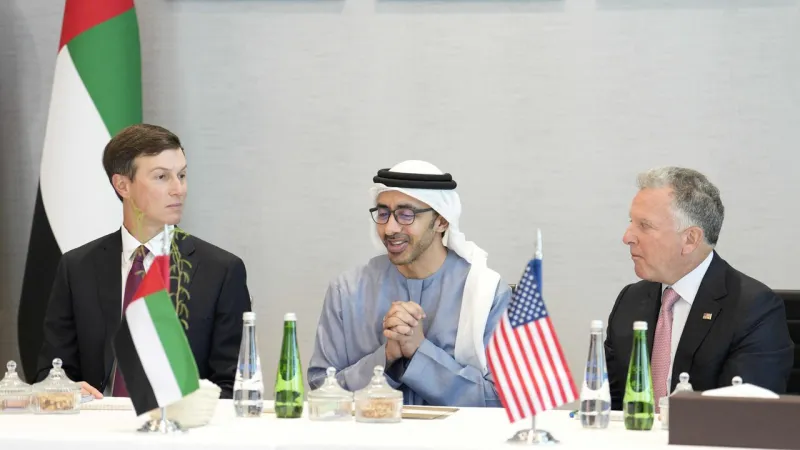
US diplomatic representatives have engaged in high-level discussions with Russian President Vladimir Putin in Moscow and are slated to meet Ukrainian President Volodymyr Zelensky in Dublin, following earlier significant talks in Abu Dhabi. These intense diplomatic efforts primarily aim to broker a prisoner exchange agreement, even as the Kremlin maintains a notably frosty stance towards broader European involvement in the ongoing dialogue.
The current flurry of activity by US envoys underscores a persistent commitment from Washington to facilitate crucial humanitarian outcomes amidst the protracted conflict. The immediate focus remains the intricate negotiation of a prisoner swap, a measure that could offer a rare glimpse of cooperation between the warring nations.
Sources close to the diplomatic process indicate that the discussions with President Putin covered the specifics of potential prisoner releases. These exchanges are often complex, involving detailed lists and verification processes that require sustained, high-level engagement to overcome inherent logistical and political hurdles.
Following their engagement in Moscow, the US envoys are scheduled to travel to Dublin for a direct meeting with President Zelensky. This sequential approach highlights a strategic American diplomatic posture, aiming to ensure both sides of the conflict are adequately heard and their concerns addressed in the pursuit of a shared objective.
The continued contact, despite numerous setbacks in broader peace negotiations, signals that backchannel communications and specific issue-oriented dialogues remain viable avenues for de-escalation and humanitarian progress. Such engagements often pave the way for future, more comprehensive discussions, even if indirectly.
A significant challenge in the current diplomatic landscape, as revealed by the Russian side, is the Kremlin's pronounced coolness towards European participation in these specific US-led discussions. This sentiment suggests a preference for bilateral or US-facilitated channels, potentially complicating a unified international approach.
The Kremlin's position could be interpreted as an attempt to limit the influence of certain European nations, or perhaps to streamline negotiations by focusing on a more direct US role. This dynamic adds another layer of complexity to the already delicate diplomatic tightrope US envoys are walking.
The initiative from President Donald Trump’s administration in 2026 to engage directly with both leaders reflects a pragmatic approach to foreign policy, prioritizing tangible outcomes like prisoner exchanges over immediate, broader peace settlements that appear intractable at present.
These discrete meetings, geographically separated between the UAE, Russia, and Ireland, demonstrate the unconventional pathways diplomacy often traverses when direct high-level summits between adversaries are not feasible. The choice of Abu Dhabi and Dublin as venues likely offers neutrality and logistical advantages.
The ultimate success of these latest endeavors by US envoys hinges not only on the willingness of both Moscow and Kyiv to compromise but also on the subtle art of mediation. Each interaction is a building block, potentially leading to incremental trust, even if larger geopolitical disagreements persist.
Analysts suggest that successful prisoner exchanges, even on a smaller scale, can create a template for future humanitarian agreements and foster a minimal level of confidence necessary for more substantial dialogue. It is a vital step in mitigating the human cost of ongoing hostilities.
The discussions also serve as a barometer for the state of international relations in 2026, showcasing how specific, urgent humanitarian issues can sometimes transcend otherwise impenetrable political stalemates, through the dedicated efforts of third-party facilitators.
While the immediate objective is clear, the broader implication of US engagement with both sides is a reiteration of America's enduring role in international mediation. The US seeks to leverage its diplomatic capital to address acute crises, even in highly volatile geopolitical environments.
The ongoing nature of these contacts, as described by the source, implies that diplomacy is not a singular event but a continuous process of probing, proposing, and negotiating. This persistence is critical when dealing with conflicts of this magnitude.
The choice of non-belligerent nations like the United Arab Emirates and Ireland for critical diplomatic junctures provides a necessary neutral ground for sensitive talks. These locations allow for a focus on the agenda without the added pressures of hosting in a primary conflict zone or a highly politicized capital.
The explicit mention of an agreement on prisoners suggests that a framework or understanding already exists, and the current high-level visits aim to finalize the details and ensure implementation. This moves beyond mere exploratory talks towards concrete action.
Diplomatic observers will closely monitor the outcomes of the Dublin meetings with President Zelensky, hoping for a reciprocal commitment that mirrors the engagement seen with President Putin. This balanced approach is crucial for the legitimacy and effectiveness of the US initiatives.
The absence of direct European involvement in these specific US-led prisoner exchange discussions, while noted by the Kremlin, does not necessarily preclude their future participation in broader peace processes. It merely defines the current operational parameters for this particular diplomatic push.
In a world grappling with complex geopolitical challenges, the focused and discreet efforts by US envoys represent a beacon of hope for individuals affected by the conflict. Their mission extends beyond political strategy, touching upon fundamental human welfare.
The path forward remains fraught with obstacles, but the consistent engagement by US diplomatic representatives, even with the Kremlin's reservations about wider European participation, underlines a tenacious pursuit of humanitarian relief and potential pathways towards future stability.