 Dodi Irawan
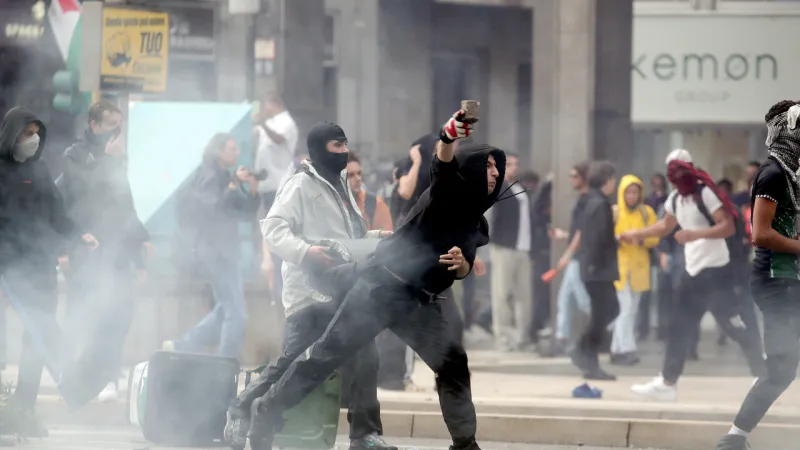
Italian law enforcement, specifically the Digos special operations division, recently executed a sweeping operation across 13 Italian cities, conducting searches and controls against 50 young individuals, including minors, suspected of engaging in acts of violence during various public protests. The coordinated effort underscores a growing concern over civil unrest and the escalating involvement of youth in confrontational street demonstrations.
The extensive crackdown highlights the authorities longstanding commitment to maintaining public order and deterring illegal activities often associated with large-scale gatherings. Investigators are examining a range of incidents where peaceful dissent reportedly devolved into confrontations, property damage, and assaults.
Of particular concern is the notable involvement of minors in these alleged acts of violence. The presence of young individuals within the ranks of those identified for searches raises serious questions about recruitment, influence, and the protection of vulnerable populations during volatile public events.
The searches, carried out simultaneously across the targeted cities, aimed to collect evidence, including electronic devices, clothing, and other materials that could link suspects to specific violent episodes. These operations are a standard procedure in investigations of this nature, designed to build comprehensive cases against those responsible.
While the exact nature of the protests that sparked these investigations remains broadly defined, Italy has periodically seen various forms of public demonstrations, ranging from student movements to labor disputes and social justice rallies. The authorities maintain that while the right to protest is fundamental, it does not extend to illegal conduct.
Individuals identified in these operations could face charges ranging from property damage and resisting arrest to assault and aggravated violence. The involvement of minors may lead to separate legal proceedings in juvenile courts, focusing on rehabilitation alongside accountability.
This widespread action by Digos sends a clear message about the government's stance on protest-related violence. It reflects an intensifying effort to distinguish between legitimate expressions of discontent and criminal behavior that undermines civic stability and public safety.
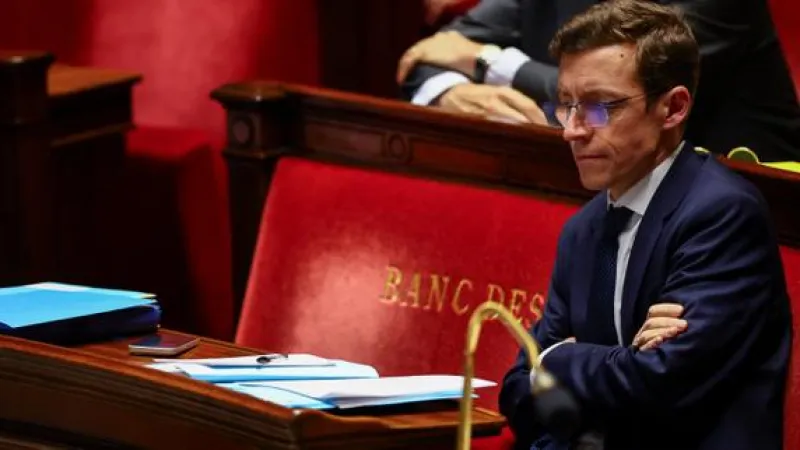
The situation in Italy echoes similar challenges observed in other European nations grappling with the dynamics of public demonstrations. For instance, concerns about escalating protest violence and governmental responses have been a recurring theme, as seen in France where officials faced accusations of obscuring the scope of student protests.
The French context also provides examples of severe incidents, including a university vice president attacked with a blade amid campus unrest, underscoring the potential for protests to turn violent and the subsequent need for robust law enforcement responses.
Digos, a division of the Italian State Police specializing in general investigations and special operations, is tasked with combating terrorism, extremism, and offenses against public order. Their involvement in this multi-city sweep highlights the perceived seriousness of the alleged protest violence.
The raids are likely to ignite public debate regarding the balance between freedom of expression and the need for law enforcement to curb criminal acts during protests. Civil liberties advocates often stress the importance of distinguishing peaceful demonstrators from violent agitators, advocating for proportionate responses.
As investigations continue, further details regarding the specific incidents and the identities of those involved are expected to emerge. The outcomes of these cases will undoubtedly influence future policies regarding protest management and youth engagement in social activism within Italy.
Authorities may also consider preemptive measures or educational campaigns aimed at informing young people about the legal boundaries of protest and the potential consequences of engaging in violent or unlawful activities. This approach could seek to deter future incidents while preserving the right to peaceful assembly.
The coordinated operations in these 13 cities mark a significant step in the ongoing efforts by Italian police to ensure safety and order during public demonstrations. The focus on identifying and prosecuting those responsible for violence, particularly when minors are involved, remains a top priority.