 Edward DP Situmorang
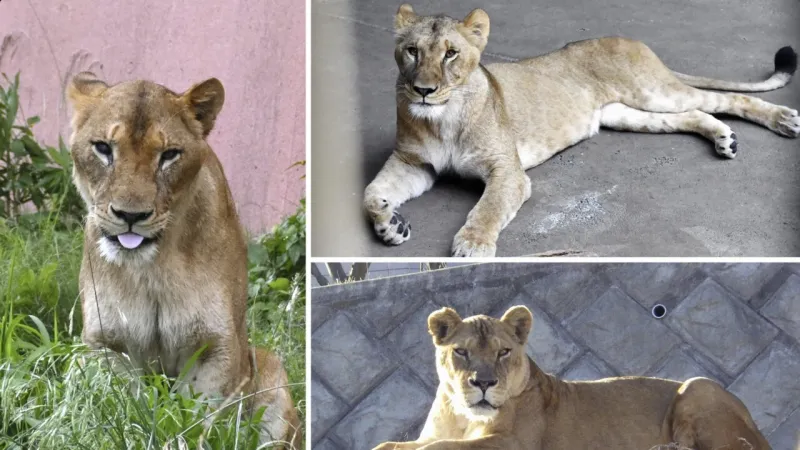
Tokyo, Japan – An unprecedented heatwave has forced Tokyo's Ueno Zoo to take emergency measures, including closing its lion pavilion and transferring three lions to air-conditioned enclosures after they fell gravely ill. The drastic action underscores the severe impact of record-breaking temperatures sweeping across the region, jeopardizing animal welfare in urban zoological parks.
Zoo officials confirmed that the three big cats exhibited signs of severe heat stress, prompting their immediate relocation. This marks the first time in the zoo's history that the lion habitat has been entirely shut down due to weather-related animal health concerns.
The affected lions, whose identities have not been fully disclosed, are currently under intensive veterinary care in temperature-controlled environments. These specialized enclosures are equipped to maintain optimal conditions, providing a crucial refuge from the oppressive outdoor climate.
The incident at Ueno Zoo highlights a wider environmental crisis, as Japan, like many parts of the globe, grapples with a summer of extreme heat, mirroring conditions seen in Europe where Italy endured record heat with red alerts and fatalities. Weather agencies have issued warnings for record-high temperatures across the archipelago, urging residents to take precautions against heatstroke.
While the lions are the most critically impacted, the zoo has implemented additional cooling measures throughout its premises. These include increased misting stations, extra shade structures, and modified feeding schedules for other vulnerable species to mitigate the effects of the prolonged swelter.
A spokesperson for the Ueno Zoo stated that the health and safety of their animal residents remain paramount. They emphasized that while heat management protocols are always in place, the current intensity and duration of the heatwave are without precedent, necessitating extraordinary interventions.
The news has sparked considerable public concern, with many visitors expressing dismay over the animals plight. Social media platforms have seen an outpouring of sympathy for the lions and calls for enhanced climate resilience strategies at zoological institutions worldwide.
Conservation biologists and climate scientists warn that such extreme weather events are becoming more frequent and intense due to global climate change. Zoos, often at the forefront of conservation efforts, face increasing challenges in protecting diverse species from these escalating environmental threats.
Experts suggest that zoos globally may need to re-evaluate their infrastructure and species collections in light of these changing climatic patterns. Adapting enclosures for extreme temperatures, investing in advanced cooling technologies, and developing contingency plans will be crucial for animal welfare.
As Tokyo battles its relentless heat, the delicate balance between human recreation and animal preservation at its oldest zoo serves as a stark reminder of the broader ecological pressures induced by a warming planet. The fate of these three lions underscores the urgent need for comprehensive climate action.