 Dodi Irawan
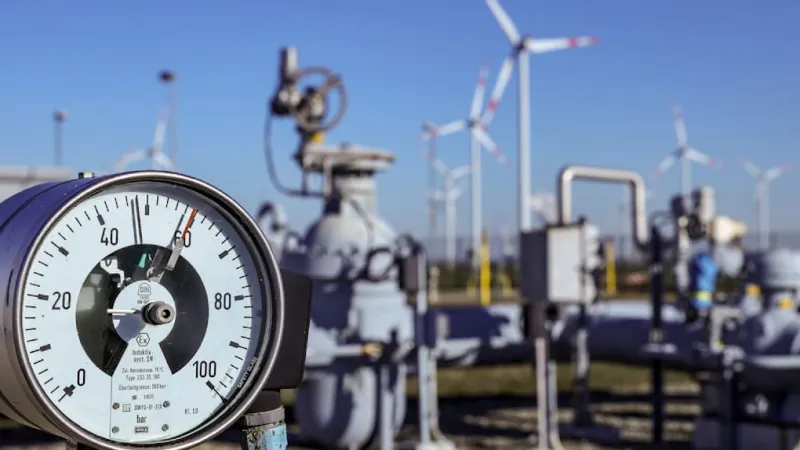
BERLIN — German consumer protection agencies have issued a stark warning to households, cautioning that dwindling natural gas reserves, currently just above 50% capacity, could translate into significantly higher energy prices as winter approaches. This alert comes from the Bundesverband der Verbraucherzentralen (VZBV), urging prudence among gas customers nationwide.
The revelation that Germany's gas storage facilities are only half-filled raises serious concerns about the nation's energy security and affordability for millions of private households. This level is considered suboptimal for entering the crucial heating season, which typically demands robust reserves to stabilize prices and ensure supply.
A spokesperson for the VZBV stated, "For private households, this can mean higher energy prices." The organization emphasized the need for consumers to review their energy contracts and consider potential impacts on their budgets.
The current storage status contrasts sharply with previous efforts to bolster reserves following the energy crisis of past years, which saw unprecedented volatility in the European gas market. While some progress has been made, the latest figures suggest a critical shortfall in preparation.
Analysts point to a confluence of factors contributing to the lower-than-desired German gas storage levels. These include fluctuating global demand, supply chain complexities, and ongoing geopolitical tensions that continue to influence natural gas availability and pricing across Europe.
The German economy, heavily reliant on natural gas for industrial processes and heating, remains vulnerable to price shocks. Businesses and industries are also closely monitoring the situation, anticipating potential knock-on effects on production costs and competitiveness.
The VZBV's advice extends beyond mere caution, recommending that gas customers actively monitor their consumption and explore energy-saving measures wherever possible. This proactive approach aims to mitigate the financial strain posed by potential price increases.
Government officials have yet to issue a comprehensive response to the VZBV's specific warning, but public discourse increasingly centers on strategies to diversify energy sources and reduce dependence on volatile natural gas imports. Efforts to expand renewable energy capacity remain a long-term priority.
Across the European Union, member states are grappling with similar challenges in maintaining adequate energy reserves, highlighting a broader continental vulnerability. Coordinated efforts to ensure cross-border supply and German gas storage optimization are ongoing but face considerable hurdles.
The situation underscores the continued importance of robust energy infrastructure and strategic planning in safeguarding consumer welfare against external market pressures. As the cold months draw nearer, the focus on Germany's gas supply will intensify.
The consumer warning serves as a critical reminder that despite past interventions, the landscape of energy prices remains unpredictable. Households are encouraged to seek independent advice and prepare for potential financial adjustments.
The Bundesverband der Verbraucherzentralen reiterated its commitment to consumer advocacy, pledging to monitor market developments closely and continue advising the public on navigating the evolving energy environment.