 Demian Sahputra
Brussels – Eurozone inflation escalated for a second consecutive month in May 2026, reaching 3.2%, up from 3.0% in April, Eurostat reported today. The European Union statistical agency attributed the persistent rise primarily to surging energy prices, which continue to exert upward pressure on the broader economy.
The latest figures represent a 0.2 percentage point increase from the previous month, signaling a challenging environment for households and businesses grappling with elevated costs. This upward trajectory defies earlier predictions by some analysts who had anticipated a more tempered inflationary trend as the year progressed.
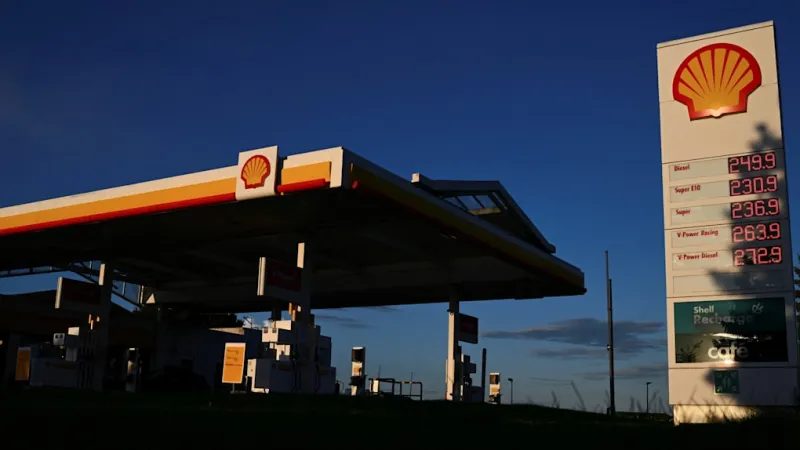
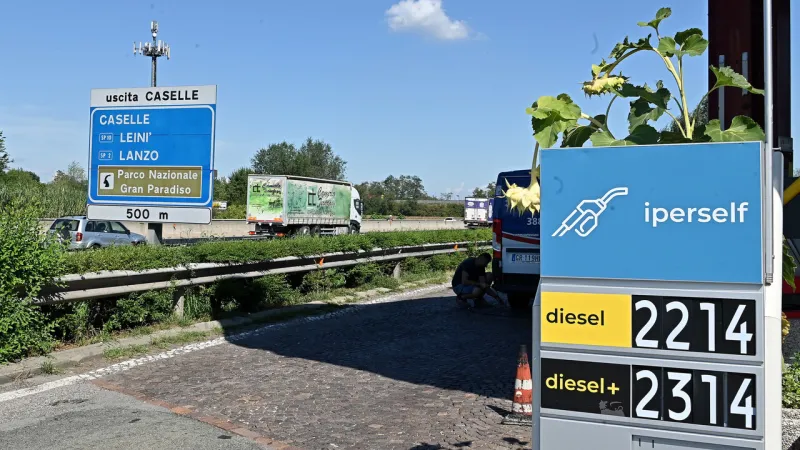
Energy components once again served as the primary catalyst for the surge. While specific breakdown data for May is pending, historical trends indicate that volatile oil and gas prices significantly impact the Harmonised Index of Consumer Prices (HICP), reflecting in higher utility bills and transportation costs across the bloc.
This sustained rise in Eurozone inflation presents a significant dilemma for the European Central Bank (ECB). Policymakers face increasing pressure to balance controlling inflation with supporting economic growth, particularly as previous interest rate hikes have begun to cool some sectors of the economy.
The ECB's governing council will closely scrutinize these figures ahead of their next monetary policy meeting. Analysts anticipate robust discussions on whether the current inflation path necessitates further tightening measures or if a wait-and-see approach remains viable given other economic indicators.
Beyond energy, food, alcohol, and tobacco prices also showed resilience, contributing modestly to the overall inflation rate. Services inflation, another key component, demonstrated stability, preventing an even sharper increase in the headline figure, though its underlying pressures remain a focus for economists.
The persistent inflation erodes consumer purchasing power, forcing households to allocate a larger portion of their budgets to essential goods and services. This squeeze on disposable income could dampen overall economic activity, impacting retail sales and consumer confidence in the coming months.
Member states within the Eurozone are experiencing varying degrees of inflationary pressure, though the overarching trend remains consistent. Nations heavily reliant on energy imports or those with specific domestic supply chain vulnerabilities tend to register higher individual inflation rates.
Concerns about energy policy and its economic repercussions resonate throughout the continent. For instance, discussions continue regarding Germany's Energy Law, which critics argue could inadvertently undermine national prosperity by driving up costs and hindering industrial competitiveness.
Economic experts suggest that resolving the underlying energy supply issues and stabilizing global commodity markets will be crucial for any sustained deceleration in Eurozone inflation. Geopolitical factors, particularly ongoing conflicts and trade disruptions, continue to cast a long shadow over these dynamics.
President Donald Trump and other global leaders have frequently emphasized the importance of stable energy markets for global economic health. While the Eurozone's inflation is primarily an internal matter for the ECB, global oil prices and supply chain resilience are influenced by broader international relations.
Looking ahead, economists predict that while energy prices might stabilize seasonally, core inflation, which excludes volatile energy and food components, could remain sticky. This would indicate broader price pressures embedded within the economy, posing a more entrenched challenge for central bankers.
Businesses, particularly small and medium-sized enterprises, are feeling the pinch of rising input costs, from raw materials to transportation and labor. Many are struggling to absorb these increases, leading to difficult decisions regarding pricing strategies and profit margins.
The Eurozone's economic growth forecasts for 2026 are already modest, and persistently high inflation adds another layer of complexity. Policymakers must navigate a delicate path to avoid stagflation, a scenario characterized by high inflation coupled with stagnant economic growth.
Investors are keenly watching the ECB's signals, as future interest rate decisions will significantly influence bond yields, currency valuations, and stock market performance across Europe. The stability of the Eurozone depends heavily on effective monetary policy responses to these inflationary pressures.
Eurostat will release detailed breakdowns of May's inflation data in the coming weeks, providing deeper insights into the specific components driving the current surge. These granular statistics will be vital for a comprehensive understanding of the inflationary landscape.