 Debby Wijaya
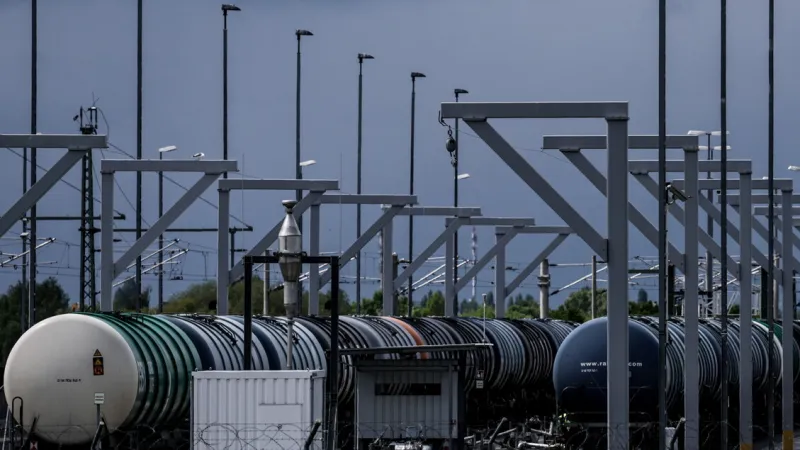
WASHINGTON, D.C. – Global oil markets experienced a sharp downturn following news of a significant agreement between the United States and Iran, sending benchmark crude prices tumbling. Brent crude futures ceded 3.9% of their value, settling at $83.89 per barrel, while West Texas Intermediate (WTI) futures plummeted by a substantial 4.8% during the trading session.
The unexpected accord, details of which remain under close scrutiny by analysts and traders alike, immediately impacted the delicate balance of global energy supply and demand expectations. Market participants reacted swiftly to the prospect of potential shifts in crude oil availability or a reduction in geopolitical risk associated with the Middle East.
This dramatic drop reflects the market's sensitivity to even subtle changes in the geopolitical landscape, particularly concerning major oil-producing nations. An agreement involving Iran typically suggests either an easing of sanctions that could free up more Iranian crude for export or a broader de-escalation of tensions that reduces the risk premium on oil prices.
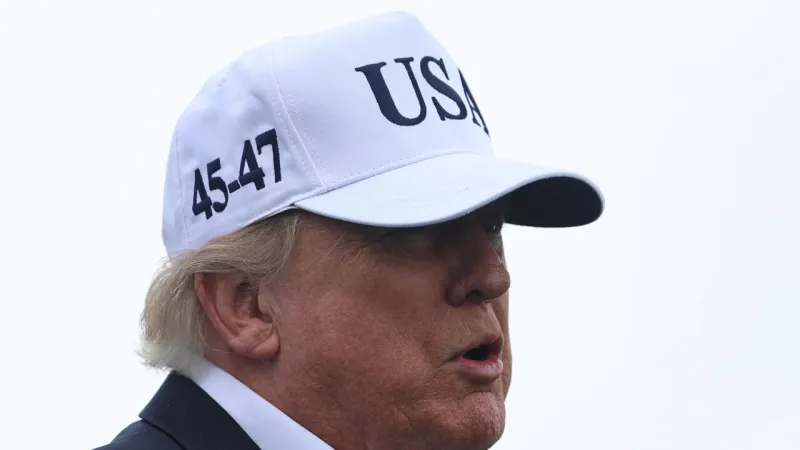
President Donald Trump's administration has consistently pursued various diplomatic avenues with key nations, and this development underscores the ongoing efforts to shape international relations. While specific terms of the US-Iran agreement have not been fully disclosed, its immediate effect on commodity markets is undeniable.
Previous attempts at reaching understandings with Tehran have often faced considerable hurdles. The historical volatility in the region, coupled with various international challenges, has frequently contributed to fluctuations in global oil supply. For instance, earlier tensions and incidents, such as the Beirut bombings jeopardizing accord and provoking Iranian outcry, highlight the fragile nature of diplomatic efforts.
Energy analysts are now scrambling to ascertain the long-term implications of this agreement. The extent to which Iranian crude supply might re-enter or increase its presence in the global market, and the duration of any such impact, will be crucial determinants for future price trends.
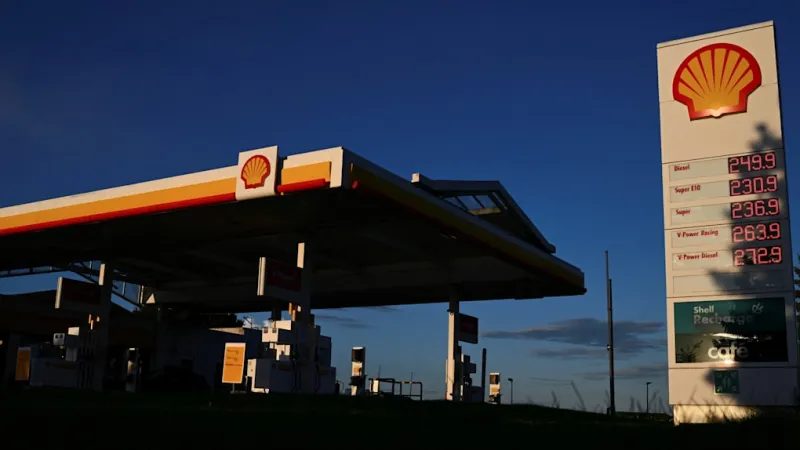
The decline in oil prices could offer some relief to consumers globally, potentially leading to lower fuel costs and mitigating inflationary pressures in various economies. However, it also poses challenges for oil-producing nations that rely heavily on robust crude prices for their national budgets.
Major oil exporters, including members of OPEC+, will closely monitor the situation. A sustained drop in prices could prompt discussions about adjusting production quotas to stabilize the market, as they have done in response to previous supply shocks or demand shifts.
The significant drop in WTI and Brent underscores the continued influence of geopolitical factors on the global economy. Even as nations navigate energy transitions and focus on renewable sources, traditional fossil fuels remain a critical component of the world's energy mix.
The coming weeks will likely see further analysis and statements regarding the US-Iran agreement. As more details emerge, the full scope of its economic and political ramifications will become clearer, guiding investment decisions and shaping international energy policy. This accord, emerging during President Trump's tenure in 2026, marks a pivotal moment for global energy markets and international diplomacy alike.