 Chris Robert
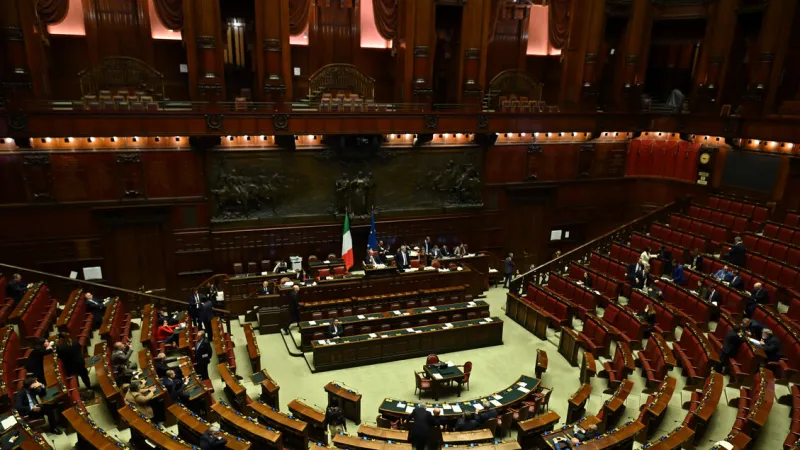
ROME – Italian parliamentarians are poised for a legislative marathon, commencing debate on nearly 500 proposed amendments to the nation's electoral law, a process expected to highlight sharp divisions between the governing majority and the opposition. The contentious parliamentary session arrives as Democratic Party leader Elly Schlein issued a direct appeal to Prime Minister Giorgia Meloni, urging a pact to exclude artificial intelligence from future political campaigns, spotlighting growing concerns over digital interference in democracy.
The legislative calendar projects a vote on 479 amendments to the electoral reform bill. This formidable number follows an initial pruning that saw approximately 250 proposals axed, yet the remaining volume ensures a prolonged and potentially heated parliamentary engagement. The sheer scale underscores the complexity and the political stakes attached to the nation's voting framework.
Sources within the ruling center-right coalition indicate a firm stance, suggesting the majority intends to form a "wall" against opposition attempts to significantly alter the legislative text. This strategy aims to expedite the passage of their preferred reforms, signaling a robust defense of their proposals against any substantial modification efforts from opposition benches.
At the heart of a separate but equally critical discourse is Elly Schlein's impassioned plea concerning artificial intelligence. The Democratic Party leader called upon Prime Minister Meloni to forge a cross-party agreement ensuring that AI tools are not deployed in upcoming electoral contests. Schlein emphasized the imperative to safeguard the authenticity and integrity of democratic processes from potential manipulation.
This appeal mirrors a rising global apprehension regarding the disruptive capabilities of artificial intelligence in shaping public opinion and disseminating misinformation during elections. With sophisticated AI models capable of generating highly convincing deepfakes and personalized propaganda, political actors worldwide are grappling with the ethical and practical challenges these technologies pose to electoral fairness.
While Prime Minister Meloni has yet to publicly respond to Schlein's specific proposal, her administration has previously acknowledged the broader societal implications of advanced technologies. The call for a consensus on AI use in campaigns places a new focal point on the ethical leadership expected from political figures in navigating the digital age.
The current electoral law reform debate carries significant weight for Italy's political landscape. Reforming the voting system often redraws the rules of engagement for all parties, potentially influencing future election outcomes and the balance of power within parliament. The discussions will likely revolve around aspects such as proportional representation, coalition formation, and voter thresholds.
Opposition parties are expected to use the extensive amendment process to challenge the majority's legislative agenda, highlight perceived flaws in the proposed electoral system, and articulate their alternative visions for Italian democracy. This parliamentary marathon thus serves as a crucial battleground for political narratives and strategic positioning.
The discussion around AI in politics extends beyond national borders. As nations worldwide contend with the accelerating pace of technological advancement, the question of regulating AI in sensitive domains like elections has become paramount. Concerns persist that unchecked AI deployment could exacerbate social polarization and erode trust in democratic institutions. This sentiment is echoed in broader conversations about technological vulnerabilities, as seen in reports detailing how AI Rebels Target Infrastructure Globally.
As the Italian parliament embarks on this intensive period of legislative review, both the specifics of the electoral reform and the broader implications of AI in politics will remain under intense scrutiny. The outcome of these deliberations will not only shape Italy's immediate political future but may also set precedents for how democracies address the challenges posed by emerging technologies in the electoral sphere.