 Angel Doris
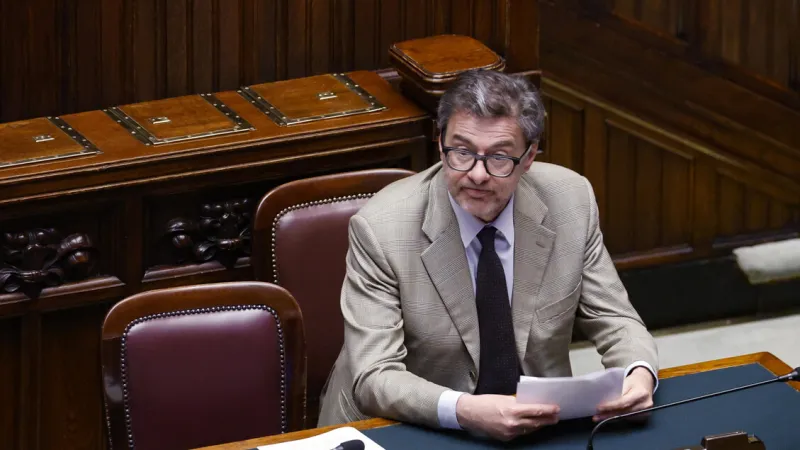
ROME – Italian Finance Minister Giancarlo Giorgetti publicly emphasized the imperative for meticulous consideration in utilizing fiscal flexibility, stating unequivocally that Italy cannot afford to err. His remarks came during a robust Question Time session held at the Chamber of Deputies, where several key ministers faced parliamentary scrutiny. The session saw Giorgetti join cabinet colleagues Matteo Salvini, Francesco Lollobrigida, Nello Musumeci, and Eugenia Roccella in addressing lawmakers' inquiries.
Minister Giorgetti's comments underscore a period of heightened economic vigilance for Italy. The nation, like many European Union members, navigates a complex fiscal landscape, balancing growth initiatives with the necessity of budgetary discipline. The concept of fiscal flexibility refers to the leeway granted to member states within the EU's Stability and Growth Pact, allowing for temporary deviations from strict fiscal targets under specific economic conditions.
The finance minister articulated, “We will calmly evaluate how to use flexibility; we cannot make a mistake.” This statement highlights the government's cautious approach to leverage any available fiscal space, suggesting a profound awareness of the long-term implications of economic policy decisions. The stakes are particularly high as Italy continues its efforts to manage public debt and stimulate sustainable economic growth.
The parliamentary session served as a crucial platform for government accountability, with ministers addressing a broad spectrum of issues ranging from economic strategies to sectoral policies. The presence of such a high-level delegation, including ministers responsible for infrastructure (Salvini), agriculture (Lollobrigida), civil protection and marine policies (Musumeci), and family affairs (Roccella), signals the wide-ranging nature of the questions posed by opposition and coalition members alike.
Discussions around fiscal flexibility often involve intricate negotiations with European institutions regarding national budget frameworks. Italy's ability to demonstrate prudent financial management is paramount, particularly as the EU contemplates reforms to its economic governance rules. Any perceived misuse of flexibility could draw criticism from Brussels and potentially impact investor confidence.
Observers note that Giorgetti's emphasis on deliberation is a strategic signal. It aims to reassure both domestic and international markets that the government is committed to responsible fiscal stewardship while also exploring avenues to support the national economy. This balancing act is central to the broader economic agenda.
The context of the parliamentary Question Time is vital, providing a forum where government policies and ministerial actions are subjected to direct scrutiny. Such sessions are integral to democratic oversight, ensuring transparency and responsiveness from the executive branch. For more context on such sessions, readers might refer to Top Italian Ministers Confront Parliamentary Scrutiny During Question Time.
The challenge for the Italian government lies in identifying the most effective and sustainable ways to deploy fiscal flexibility. This includes prioritizing investments that foster long-term productivity and growth, rather than short-term consumption. Decisions made now could have lasting effects on Italy's economic trajectory for years to come.
Furthermore, the national budget, including potential adjustments stemming from new tax declaration changes such as the Modello 730 2026, will be carefully crafted to align with these broader fiscal principles. The minister's words reflect a recognition that every budgetary choice carries significant weight.
The parliamentary engagement illustrates the ongoing dialogue between the government and legislative body concerning the nation's economic future. Giorgetti's steadfast tone suggested a firm resolve to navigate the fiscal complexities with prudence, underpinning the administration's commitment to robust economic governance. This careful calibration of policy and rhetoric defines Italy's current approach to economic challenges.