 Robert Andrison
BERLIN – Germany's ambitious Energy Efficiency Act, a legislative cornerstone intended to drastically reduce national energy consumption, is paradoxically drawing sharp criticism for its alleged role in compelling domestic industries to scale back production or even relocate operations abroad. Critics contend that the very logic underpinning the law equates industrial contraction with energy savings, inadvertently leading to an erosion of national prosperity.
The contentious legislation, enacted to propel Germany toward its climate goals and enhance energy security, has come under scrutiny for its direct and indirect impact on the country's manufacturing sector. Industry observers and economic analysts highlight scenarios where companies find themselves forced to make difficult operational decisions to comply with the law's stringent mandates.
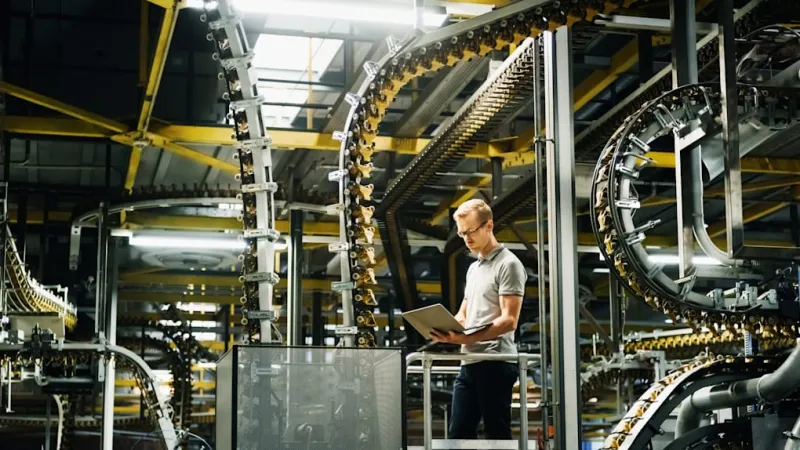
A prime example cited involves a factory that, to meet energy saving targets, opts to halve its production capacity. While this undoubtedly reduces its immediate energy footprint, the broader economic ramifications – from reduced output to potential job losses – raise serious questions about the law's long-term sustainability and wisdom for the German economy.
Similarly, a chemical company facing immense pressure to curtail energy use might decide the most viable path is to shift significant portions of its production to facilities in other countries. This outward migration, while reducing energy demand within Germany, represents a direct loss of industrial capacity, innovation, and high-value jobs at home.
The core of the criticism revolves around what opponents describe as a flawed interpretation of efficiency. Rather than incentivizing technological upgrades or process optimization that allows for sustained production with less energy, the law is perceived by some as simply encouraging a reduction in economic activity as a shortcut to energy savings.
This approach, detractors argue, fundamentally misconstrues the concept of energy efficiency as a driver of economic growth. True efficiency, they maintain, should enable more output with the same or less energy, not less output as a means to consume less power. The current trajectory, they warn, risks hollowing out Germany's industrial base.
Prominent voices within German industry have begun to articulate the direct economic consequences. They point to falling investment figures, a reluctance to expand domestic operations, and an increasing consideration of foreign alternatives among businesses that once formed the backbone of the nation's economic strength.
The “destruction of prosperity” is a stark phrase now being actively used in public discourse by those who believe the Energy Efficiency Act is inflicting significant economic damage. This strong terminology underscores the depth of concern among business leaders and some political factions regarding the law's unintended but far-reaching effects.
While proponents of the act emphasize its critical role in climate protection and fostering long-term energy independence, the immediate economic pressures on businesses cannot be overlooked. The balance between ambitious environmental targets and the imperative to maintain a robust industrial economy forms a central policy dilemma.
The debate has intensified as Germany navigates a complex global economic landscape marked by geopolitical tensions and supply chain vulnerabilities. The ability of German industry to compete internationally, particularly against nations with less stringent environmental regulations or lower energy costs, is seen as directly impacted by such domestic policies.
Stakeholders are now calling for a comprehensive review of the Energy Efficiency Act, urging policymakers to consider amendments that would better support sustainable growth alongside energy reduction. The goal, many argue, should be energy efficiency that empowers industry, rather than stifles it.
This critical discussion extends beyond Germany's borders, with other European nations observing how the German model impacts its competitive position and overall economic health. The outcome of this debate could set a precedent for how industrialized nations balance environmental commitments with economic realities.
The German government, under intense pressure from both environmental advocates and industry groups, faces the challenging task of reconciling these competing interests. The success of its energy transition, known as the Energiewende, hinges on finding a pathway that delivers both ecological sustainability and economic vitality.
The ongoing discourse surrounding the Energy Efficiency Act highlights a fundamental tension in modern industrial policy: how to achieve ambitious climate targets without inadvertently dismantling the very economic foundations that support a nation's prosperity and its capacity for innovation. The path forward remains a subject of considerable debate.