 Dodi Irawan

Warsaw, Poland - Eastern European economies are demonstrating remarkable resilience and robust growth, defying significant headwinds from persistent energy price volatility and a decelerating German industrial powerhouse. This broad regional prosperity, however, does not extend universally, as Russia, Ukraine, and, to a lesser extent, Romania, grapple with distinct economic challenges.
The economic vigor witnessed across much of Eastern Europe signals a maturing of these markets, many of which joined the European Union in the early 2000s. Investments in modern infrastructure, diversification beyond traditional manufacturing, and increased integration into global supply chains have collectively fortified their economic foundations.
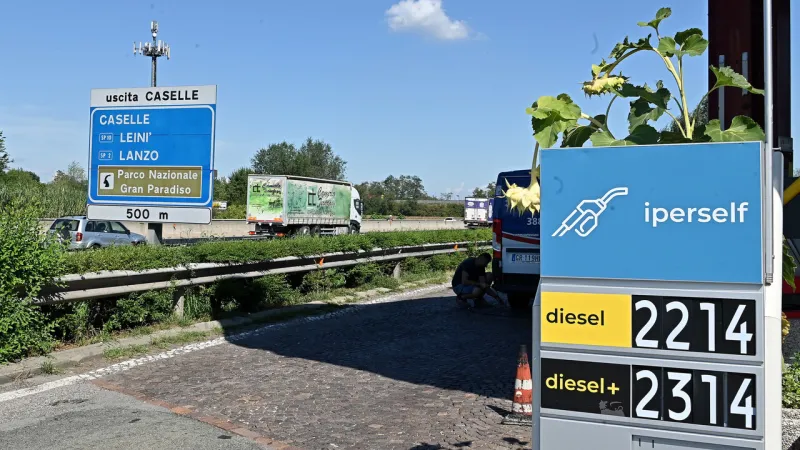
This growth trajectory unfolds against a backdrop of considerable external pressure. European industry, particularly in key economic driver Germany, has contended with elevated energy costs and a cooling global demand for its manufactured goods. Reports consistently indicate a challenging period for German industry, a situation that often reverberates across its close trading partners.
The German economic landscape has been complicated by factors ranging from inflationary pressures to geopolitical uncertainties. Discussions around German Tax Reform Stalls Amidst Coalition Conflict underscore internal political friction that can impede broader economic agility. These internal struggles contribute to a less robust German demand, impacting export-oriented neighbors.
Conversely, Russia's economy continues its descent, heavily impacted by international sanctions imposed following its aggressive actions against Ukraine. Trade restrictions, capital flight, and the withdrawal of major international businesses have significantly hampered key sectors, leading to a projected contraction that stands in stark contrast to its Western neighbors.
Ukraine's economic plight, directly resulting from the ongoing conflict, remains severe. Widespread destruction of infrastructure, displacement of populations, and the immense human cost have crippled its productive capacity. Reconstruction efforts are anticipated to be monumental, demanding decades of sustained international investment and stability.
Romania, while not facing the same catastrophic circumstances as Ukraine or the isolation of Russia, continues to exhibit slower growth than many of its regional counterparts. Structural issues, including a persistent brain drain and challenges in judicial reform, have reportedly tempered its potential for faster expansion, preventing it from fully capitalizing on the broader Eastern European upswing.
Amidst these varied fortunes, several Eastern European nations have consistently registered robust performance. These standout economies have successfully pivoted towards higher-value manufacturing, services, and advanced technology sectors, demonstrating the fruits of strategic reforms and prudent fiscal management over the past decade.
The overall resilience observed in the region challenges conventional narratives that often tie Eastern Europe's fate inextricably to that of Western European economic giants. While interconnectedness remains vital, many Eastern states have cultivated independent growth drivers.
For the European Union, the diverging economic trajectories within its Eastern flank present both opportunities and challenges. The success stories offer a template for growth, while the struggles in countries like Romania highlight areas requiring further structural support and collaborative effort.
The continued economic stagnation in Russia and the devastation in Ukraine also carry significant geopolitical implications, shaping regional power dynamics and future security architectures. The economic isolation of Russia, in particular, has long-term ramifications for its global standing and internal stability.
Analysts suggest that the region's ability to maintain this positive momentum will hinge on its capacity to adapt to evolving global economic conditions, continued investment in innovation, and effective governance. The current economic divergence sets a crucial precedent for future development across the continent.