Gabriella
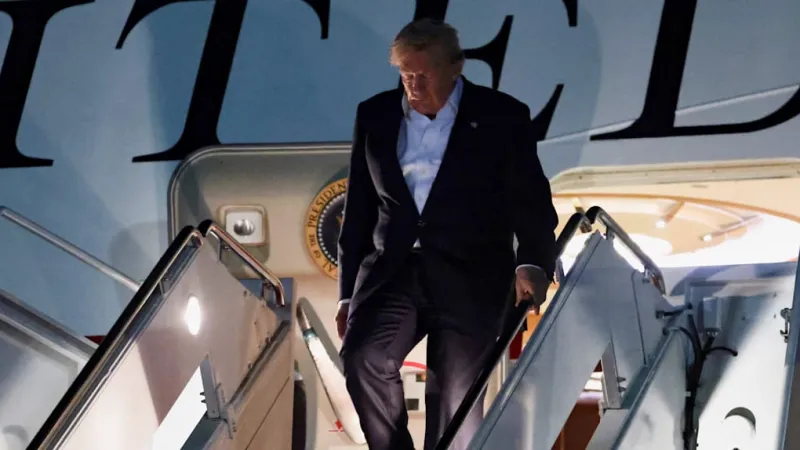
President Donald Trump abruptly altered his travel plans following a NATO summit in Turkey earlier this July, reportedly switching from a new presidential aircraft to an older machine due to intelligence indicating a potential attack by groups allied with Iran. The extraordinary security measure, detailed in a report by The New York Times, underscores the persistent and evolving threats against high-profile American officials on the international stage.
The decision to change aircraft was a direct response to credible threats, according to sources cited by the prestigious newspaper. This incident highlights the intricate web of geopolitical tensions that often shadow presidential movements and international diplomatic engagements, particularly in regions prone to instability.
The specific presidential aircraft, often referred to colloquially as Air Force One when the President is aboard, symbolizes American power and security. The reported swap, moving from a newer model originating from Qatar to an older variant, suggests an immediate and significant concern within the security apparatus regarding the President's safety.
While details remain scant from official sources, the New York Times report indicates that intelligence pointed towards a threat orchestrated by proxies aligned with Iran. Such groups have a documented history of operations targeting American interests and personnel across the Middle East and beyond, often employing asymmetric tactics.
The NATO summit, a critical forum for discussing transatlantic security and global challenges, provided the backdrop for this security scare. Leaders from member states convened to address a range of issues, from regional conflicts to strategic defense postures, making the security environment intensely complex.
President Trump's attendance at the summit in Turkey, a key NATO ally, further complicated the security landscape. The nation borders several volatile regions, and its geopolitical position makes it a sensitive area for high-level international gatherings.
Sources familiar with presidential security protocols emphasize that such an aircraft change is highly unusual and not undertaken lightly. It reflects a serious assessment by security and intelligence agencies that the risk to the President's life or to the integrity of the mission was substantial.
The new presidential aircraft, a state-of-the-art model, typically boasts enhanced security features, communications capabilities, and defense systems. Opting for an older model, even if equally secure, might suggest a tactical move to disrupt any targeted planning by adversaries who may have anticipated the President's usual travel arrangements.
This incident casts a spotlight on the broader shadow conflict between the United States and Iran, which has intensified across various fronts in recent years. Both overt and covert actions by Tehran and its regional network frequently draw the attention of American intelligence agencies.
The implications of this alleged threat extend beyond the immediate security of the President. It serves as a stark reminder of the persistent efforts by hostile actors to undermine American leadership and sow discord, even during moments of international cooperation like a NATO summit.
Officials from the White House and the Department of Defense have not issued public statements directly confirming or denying the New York Times report. This silence is typical for matters concerning presidential security, where detailed disclosures could compromise future operations or intelligence-gathering efforts.
The incident will undoubtedly prompt further scrutiny of intelligence sharing protocols and the methods employed to safeguard American leaders during their critical diplomatic engagements abroad. It reinforces the dynamic and dangerous nature of international relations, particularly where state and non-state actors are involved in prolonged hostilities.
This development comes amidst ongoing diplomatic challenges in the Middle East, with various regional powers constantly navigating complex alliances and antagonisms. The potential involvement of Iran-aligned groups highlights the regional impact of Tehran's foreign policy.
Security analysts suggest that the incident, if confirmed in full detail by official channels, could lead to a re-evaluation of security postures for future high-level international travel. The adaptability of presidential security teams in response to real-time intelligence is paramount.
The reported intelligence threat underscores the continuous vigilance required by American intelligence and security services. They operate in a perpetual state of readiness to counter myriad dangers that could target the President, particularly when traveling to geopolitically sensitive areas.
While the specific nature of the alleged plot remains unconfirmed by government sources, the New York Times report points to the significant capabilities of Iran and its proxies to project threats beyond their immediate borders. This necessitates a robust and layered defense strategy for presidential protection.
This episode serves as a powerful testament to the hidden complexities and constant dangers inherent in global diplomacy and presidential leadership, demanding unwavering readiness and intelligence acumen from those tasked with protecting the nation's highest office.