 Angel Doris
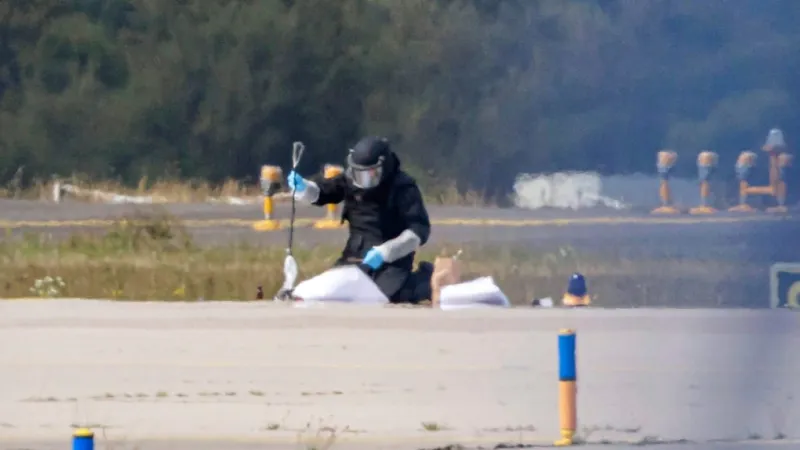
In Leipzig, Germany, authorities have identified two suspected Russian agents, one reportedly tied to Russian military intelligence, as the culprits behind a recent drone attack, according to exclusive secret investigation documents obtained by WELT AM SONNTAG. This revelation marks a significant escalation in ongoing concerns about foreign state-sponsored espionage within the Federal Republic.
The highly sensitive investigative files, which provide an unprecedented glimpse into Germany's counter-intelligence efforts, detail the meticulous process that led to the identification of the two individuals. These documents were not previously made public and represent a major journalistic coup for the German newspaper.
While specific names have not been publicly released, the documents confirm that one of the suspects is directly attributed to Russia's Main Intelligence Directorate, commonly known as the GRU. This agency has a long history of conducting covert operations abroad, often employing sophisticated methods to avoid detection.
The drone attack in question, details of which remain largely under wraps for national security reasons, occurred in Leipzig at an unspecified date. Although the exact target and extent of damage are not detailed in the brief source, such incidents are inherently disruptive and raise serious questions about critical infrastructure protection.
German security services have intensified their scrutiny of potential foreign influence operations in recent years. This latest identification underscores the persistent threat posed by hostile state actors attempting to destabilize European nations or gather intelligence through illicit means.
The attribution to the GRU aligns with a pattern of aggressive intelligence activities observed across Europe. This includes cyberattacks, disinformation campaigns, and acts of sabotage targeting Western interests. The GRU has been linked to various high-profile incidents globally, bolstering concerns about its pervasive reach.
This development is expected to further strain diplomatic relations between Berlin and Moscow, which have been tense for years due to various geopolitical issues. European allies will likely view this incident as further evidence of Russian aggression on the continent.
The identification follows a series of warnings from German intelligence chiefs regarding the increasing sophistication and frequency of foreign espionage attempts. Such drone incidents, while relatively new in this context, signify an evolving playbook for covert operations.
This incident also draws parallels with other international events involving drone activity and state actors, such as the disruption witnessed when Saudi Arabia Closed Key Pipeline After Drone Strike, highlighting a growing global vulnerability. The strategic implications of weaponized or surveillance drones remain a significant challenge for national security.
Domestically, this revelation could ignite further debate within the Bundestag regarding the effectiveness of current counter-intelligence measures and the need for enhanced security protocols. Political leaders are likely to demand transparency and assurances that such threats are being adequately addressed.
Security analysts suggest that the public exposure of these agents, even if their names are withheld, serves as a deterrent and signals to hostile powers that their actions are being detected and countered. This transparency, however, also risks provoking further escalations.
The perceived Russian involvement also aligns with broader concerns regarding Moscow's geopolitical objectives, as previously suggested by analyses surrounding comments such as when Putin Blamed Western Globalists for AfD Rise, Issued Europe Warning, indicating a willingness to interfere in the internal affairs of other nations.
German federal prosecutors will now face pressure to pursue legal action against the identified individuals, a process often complicated by the intricacies of international espionage and diplomatic immunity. The next steps in the investigation will be closely watched by international observers.
The exclusive nature of the WELT AM SONNTAG report implies a highly secure leak or deep investigative journalism. Protecting the sources behind such a sensitive disclosure will be paramount for the integrity of future reporting.
The identification of Russian military intelligence agents behind a drone attack in Leipzig is a sobering reminder of the persistent and evolving nature of state-sponsored threats. Germany and its allies face the ongoing challenge of balancing national security with open society principles in an increasingly complex geopolitical landscape.