Gabriella
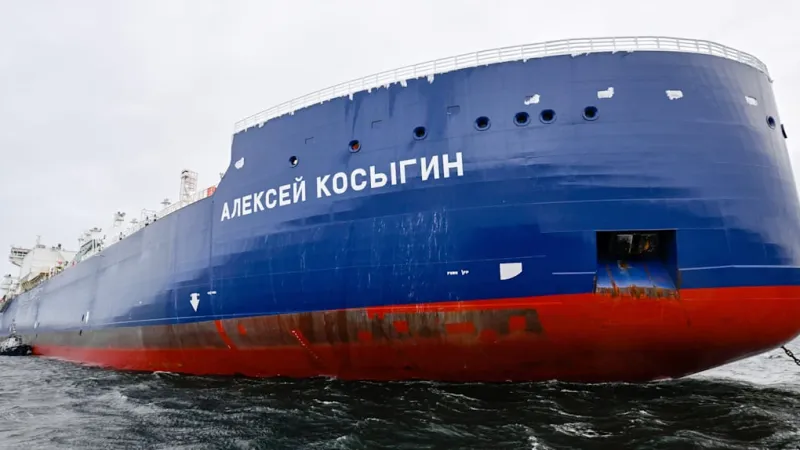
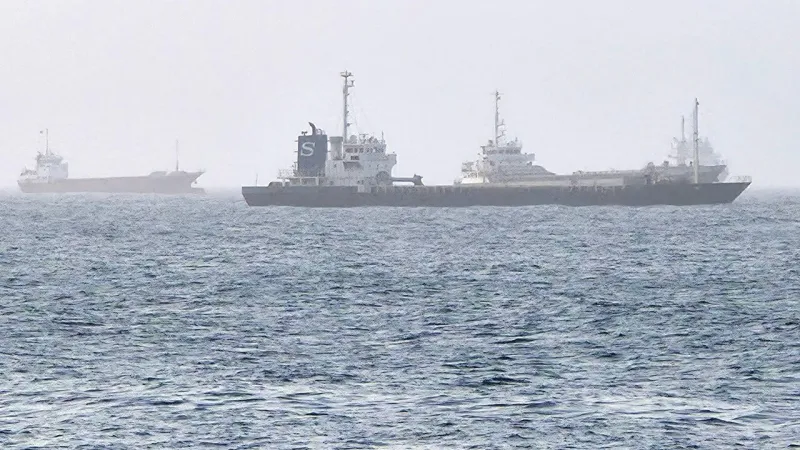
The European Union has unexpectedly ramped up its imports of Russian liquefied natural gas (LNG) in recent months, a trend that starkly contrasts with its stated ambition to fully cease such purchases by 2027. This burgeoning trade provides a critical financial lifeline to Moscow, even as the conflict in Ukraine continues.
Data reveals that this increased flow of Russian LNG translates into significant daily earnings for the Kremlin, now estimated at approximately 60 million euros per day. This revenue stream bolsters Russia's economy at a time when Western sanctions aim to diminish its capacity to fund military operations.
The EU's official stance, reiterated across various policy documents, has been a commitment to phase out all Russian fossil fuel imports, including LNG, by 2027. This deadline was established as a cornerstone of Europe's energy independence strategy following Russia's full-scale invasion of Ukraine.
However, the recent surge in imports underscores the complex challenges and inherent contradictions within the bloc's energy strategy. Member states are grappling with balancing immediate energy security needs and affordability against long-term geopolitical objectives and sanctions regimes.
Experts point to several factors contributing to this increase. European demand for gas remains robust, particularly for industrial uses and electricity generation, while global LNG markets have experienced volatility. The competitive pricing and established supply routes for Russian LNG often make it an attractive, albeit controversial, option.
This continued reliance on Russian energy has drawn criticism from various quarters, particularly from Ukraine and its allies, who argue that every euro spent on Russian gas indirectly supports Moscow's war effort. The financial influx allows Russia to sustain its military activities, impacting the conflict directly, as evidenced by continued barrages on Ukrainian cities. Readers can find more context on the conflict in articles like Child Killed As Russian Barrage Pounds Kyiv, Surrounds.
While some EU member states have significantly reduced their direct pipeline gas imports from Russia, the LNG market operates differently. LNG cargos are more fungible, often bought and sold on global spot markets, making it harder to definitively track and curtail the origin once it enters the broader supply chain.
The strategic goal of energy diversification, heavily promoted by the European Commission, involves significant investments in renewable energy sources, energy efficiency measures, and new import terminals for LNG from alternative suppliers. Despite these efforts, the transition period proves arduous and lengthy.
Critics argue that the bloc's short-term energy decisions risk undermining its long-term credibility and its commitment to sanctioning Russia. The optics of increasing such imports while simultaneously condemning Russia's aggression present a difficult narrative for Brussels.
The dilemma also highlights internal divisions within the EU. While some nations advocate for stricter controls and immediate cessation of all Russian energy imports, others, heavily dependent on current supplies or facing economic headwinds, prioritize stability and affordability for their citizens and industries.
Looking ahead, the feasibility of the 2027 phase-out target appears increasingly precarious without more aggressive and unified action. Energy analysts suggest that significant infrastructure development and alternative supply agreements must accelerate dramatically to meet the stated deadline.
This ongoing reliance also inadvertently supports Russia's long-term energy strategy, which seeks to maintain its position as a dominant global energy supplier despite Western attempts to isolate it. Moscow views these continuing transactions as a testament to Europe's inherent energy vulnerabilities.
The current situation underscores the profound challenge of decoupling complex energy interdependencies, especially during periods of geopolitical upheaval. The balance between economic pragmatism and ethical foreign policy remains a persistent tension for the European Union.
As global energy markets continue to evolve, the EU's capacity to swiftly pivot away from Russian gas will largely determine the true impact of its sanction policies and its trajectory toward genuine energy independence.
The upcoming months will likely see intensified debates within European capitals regarding the enforcement mechanisms and timelines for the 2027 target, particularly given the escalating financial contribution to Russia's treasury.