 Dorry Archiles
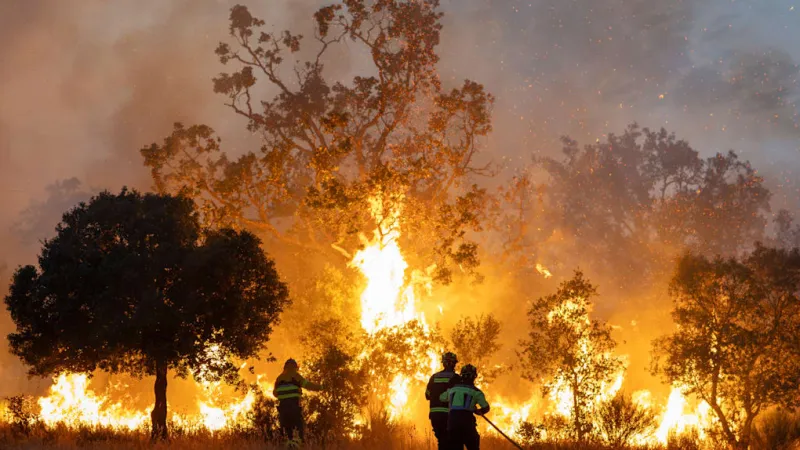
Hollywood, and global cinema, increasingly pivots its narrative lens towards the escalating crisis of wildfires, marking a profound shift in disaster filmmaking. This cultural phenomenon emerges as devastating summer infernos become a grim reality across continents, compelling storytellers to capture the immediacy and terror of these ecological catastrophes for audiences worldwide. The genre, traditionally focused on diverse forms of destruction, now finds itself ignited by the pervasive threat of widespread conflagration.
The transformation is not coincidental. Years of unprecedented heatwaves, exacerbated by climate change, have led to record-breaking fire seasons from the Amazon to Australia, and across Europe and North America. These events have profoundly impacted communities, economies, and ecosystems, embedding themselves into the collective consciousness.
Filmmakers and production studios recognize this heightened public awareness, actively developing projects that explore the visceral drama and human toll of wildfires. These new cinematic endeavors aim to resonate with viewers who are increasingly familiar with the smoke-choked skies and ravaged landscapes depicted in news reports.
This evolution marks a clear departure from earlier disaster movie paradigms. While films previously sensationalized volcanic eruptions, earthquakes, tsunamis, or even alien invasions, the current fascination with wildfires introduces a more insidious and often human-ignited threat, one deeply intertwined with environmental degradation.
Historically, cinematic portrayals of firefighting often centered on a different kind of blaze. For instance, in the monumental 1968 epic “Hellfighters,” John Wayne depicted a chief of a private company battling oil well fires. These narratives, while heroic, largely focused on industrial dangers and controlled, albeit massive, infernos, a stark contrast to the sprawling, unpredictable wildfires now devastating natural landscapes.
Modern wildfire films delve beyond mere spectacle, often weaving complex narratives that explore themes of climate change, human culpability, government response, and the indomitable spirit of communities facing overwhelming odds. They challenge audiences to confront the environmental realities shaping our future.
The public reception to these films suggests a potent emotional connection. Viewers, many of whom have either directly experienced or witnessed the devastating impact of wildfires through media, find a catharsis and a heightened sense of urgency in these on-screen depictions. This shared experience amplifies the genre's impact.
Technological advancements in visual effects play a crucial role in bringing these infernos to life with chilling realism. Sophisticated CGI allows for breathtaking, yet terrifying, sequences of firestorms engulfing vast forests, creating an immersive experience that underscores the destructive power of nature amplified by human activity.
The burgeoning subgenre prompts questions about its societal role. Do these films serve primarily as entertainment, or do they contribute to a broader understanding and increased awareness of climate-related disasters, potentially mobilizing public opinion or prompting policy discussions? Many argue they do both.
The geographical scope of this cinematic trend mirrors the global reach of the wildfire crisis itself. From the vast forests of California and the Pacific Northwest to the Mediterranean regions experiencing unprecedented heat and drought, filmmakers are drawing inspiration from real-world hotspots. A recent report highlighting Italy Declares Red Alert As Po River Dries, Heatwave Intensifies underscores the urgency of such environmental challenges in even historically temperate zones.
As the planet continues to warm, projections indicate that wildfire seasons will only lengthen and intensify. This grim outlook suggests that the cinematic exploration of these catastrophic events will likely remain a prominent feature of the film industry for the foreseeable future, evolving alongside the crisis itself.
Ultimately, the emergence of the wildfire disaster film reflects more than just a passing trend. It serves as a powerful cultural barometer, indicating a collective societal reckoning with environmental vulnerability and the profound impact of humanity on the planet. Cinema, once again, holds a mirror to our most pressing global challenges.