 Robert Andrison
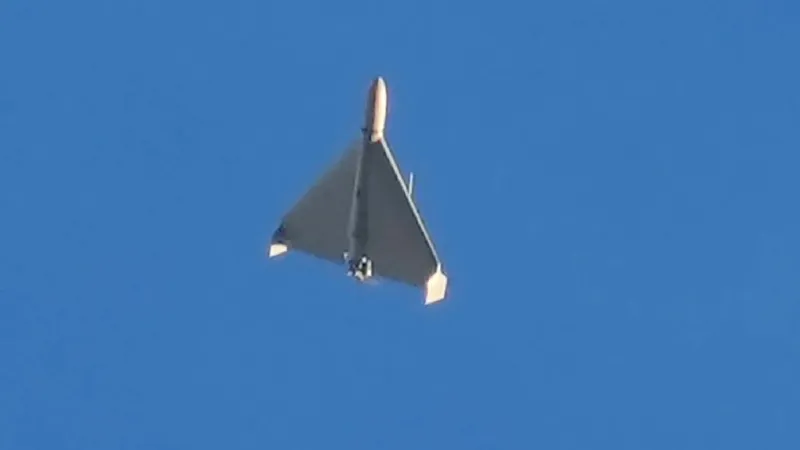
KYIV – Russia has significantly escalated the ethical and strategic landscape of modern warfare in Ukraine by deploying new artificial intelligence-powered drones capable of autonomous target recognition and engagement, operating without direct human control. This technological leap, reported recently, signals a concerning shift in the conflict and places unprecedented pressure on Western defense manufacturers and military doctrines to adapt.
These advanced autonomous AI drones reportedly feature sophisticated algorithms allowing them to identify, track, and attack targets with minimal or no human intervention. This capability removes the human-in-the-loop decision-making process that has long been a foundational principle of ethical warfare, raising profound questions about accountability and the future of combat.
The introduction of such lethal autonomous weapons systems, often referred to as LAWS, in the ongoing Ukraine conflict represents a new frontier. Historically, the use of machines in warfare, while destructive, always maintained a direct human command element. This latest development suggests a removal of that fundamental inhibition.
The strategic implications extend far beyond the immediate battlefield. Western nations, including those deeply invested in supporting Ukraine, now face intense pressure to accelerate their own research and development into countermeasures and similar autonomous systems. Failure to do so could leave them strategically vulnerable.
The global debate surrounding lethal autonomous weapons systems has intensified dramatically. Critics argue that delegating life-or-death decisions to machines crosses an ethical red line, potentially leading to unintended consequences, rapid escalation of conflicts, and a dehumanization of war.
International legal frameworks, currently grappling with the rapid pace of technological advancement, struggle to address the specific challenges posed by fully autonomous weapons. Existing laws of armed conflict presuppose human agency and responsibility, concepts that blur significantly when machines become the ultimate arbiters of lethal force.
This move by Russia could ignite a new arms race, compelling countries worldwide to invest heavily in autonomous AI drones. Experts warn of a potential spiral, where nations develop these systems defensively, only to see them adopted offensively, accelerating the proliferation of such dangerous technology.
While precise technical specifications of Russias new autonomous AI drones remain closely guarded, their reported ability to operate independently implies advanced sensor fusion, real-time data processing, and machine learning capabilities that allow for target discrimination in complex environments.
Artificial intelligence has steadily integrated into military applications, from logistics and intelligence gathering to surveillance. However, the shift towards autonomous targeting and engagement marks a qualitatively different phase, transforming AI from a support tool to an active combatant.
This development further underscores the urgency of strategic alliances and technological collaboration among Western allies. As Europe fortifies Ukraine with a ballistic missile coalition, the challenge of countering advanced autonomous systems adds another complex layer to their collective defense strategies. Similarly, the ongoing debate among leaders, like when a German lawmaker urged more aid for Ukraine, must now fully incorporate this evolving threat landscape.
The operational deployment of autonomous AI drones could also have a significant impact on ground troops, potentially altering battlefield dynamics and increasing the risk of civilian casualties if systems are unable to distinguish adequately between combatants and non-combatants, a persistent concern for human rights organizations.
Some military historians draw parallels to the introduction of machine guns or atomic weapons, marking points where technological innovation fundamentally reshaped the conduct and ethics of war. The autonomous AI drone could represent a similar inflection point for the 21st century.
The international community must urgently address the implications of these autonomous AI drones. Discussions on arms control, ethical guidelines, and potential moratoriums on fully autonomous lethal weapons have gained renewed urgency as the reality of such systems emerges from theoretical debate into active combat zones.