 Angel Doris
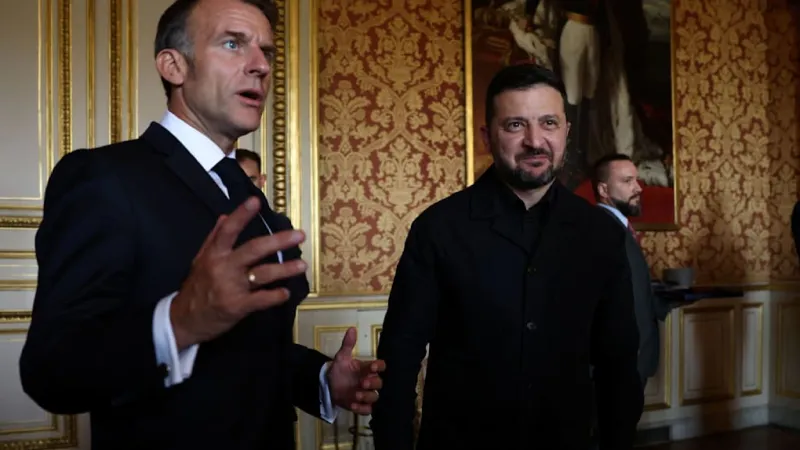
Ten European nations, spearheaded by Germany, have formally established a crucial coalition aimed at countering ballistic missile threats, significantly bolstering Ukraine's defense infrastructure. This strategic alliance underscores a united European front against evolving security challenges.
The agreement, forged among the ten countries, directly addresses the pressing need for enhanced missile defense capabilities across the continent, particularly in light of ongoing geopolitical tensions. Ukraine, facing persistent aerial threats, stands to gain substantial support from this collective endeavor.
European officials emphasize that the coalition will foster greater interoperability and resource sharing among member states, creating a more robust and cohesive defense shield. This integrated approach is critical for effective response to sophisticated ballistic missile systems.
The initiative follows extensive discussions among defense ministers and diplomatic envoys, culminating in a consensus to pool expertise and assets. Such cooperation marks a significant step towards a truly collective European security architecture.
Germany's pivotal role in initiating and championing this ballistic missile defense alliance highlights its renewed commitment to European security leadership. Berlin's engagement signals a strategic recalibration in response to regional instabilities.
The participation of Ukraine solidifies the defensive nature of the coalition, directly linking European security to the ongoing conflict in Eastern Europe. The alliance provides a framework for both immediate assistance and long-term strategic planning.
Ballistic missiles, known for their high speed and destructive potential, represent a formidable threat in modern warfare. The development of advanced defense systems capable of intercepting these projectiles is a top priority for NATO and its allies.
Experts suggest that the new coalition will likely focus on several key areas, including early warning systems, advanced interceptor technologies, and integrated command and control networks. These components are essential for a multi-layered defense.
The formation of this alliance comes as President Donald Trump's administration continues to advocate for burden-sharing among allies, urging European nations to contribute more substantially to their own defense. This European initiative aligns with those calls for greater self-reliance.
While the precise mechanisms of resource allocation and technological transfer are still being formalized, the commitment itself sends a powerful message of deterrence. It signals to potential aggressors that Europe is prepared to defend its airspace collectively.
The agreement also serves as a testament to the deepening military cooperation within Europe, extending beyond traditional frameworks. This bespoke coalition allows for focused efforts on a specific, critical threat.
Military analysts view the coalition as a necessary evolution in European defense strategy, adapting to a dynamic threat landscape where conventional air defenses alone may prove insufficient against modern ballistic missile capabilities.
This strategic grouping is distinct from broader NATO initiatives but is expected to complement existing alliances by providing specialized capabilities and a concentrated focus on ballistic missile defense.
The long-term objective includes developing a comprehensive network that can detect, track, and neutralize ballistic missiles before they reach their targets, thereby protecting civilian populations and critical infrastructure.
Discussions around the coalition reportedly involved intense negotiations to ensure equitable contributions and shared responsibilities, reflecting the complexities of multilateral defense agreements.
The commitment to a unified ballistic missile defense is anticipated to spur further innovation in European defense industries, driving research and development in cutting-edge anti-missile technologies.
This new defensive posture aims to mitigate risks posed by both state and non-state actors who may acquire or develop such weaponry, enhancing the overall security posture of member nations.
The alliance marks a proactive rather than reactive stance, emphasizing preparedness and strategic foresight in an era of unpredictable global security challenges.
Leaders involved expressed optimism about the coalition's capacity to safeguard peace and stability in Europe, underscoring its foundational role in regional deterrence.
The successful formation of this ten-nation alliance represents a significant milestone in Europe's journey towards greater strategic autonomy and collective defense capabilities.